

Kent
A seasoned professional in the charcoal industry, graduated in energy and chemical engineering, with extensive production experience in fruitwood quick-burning charcoal and high-temperature bamboo charcoal.
Articles by Kent
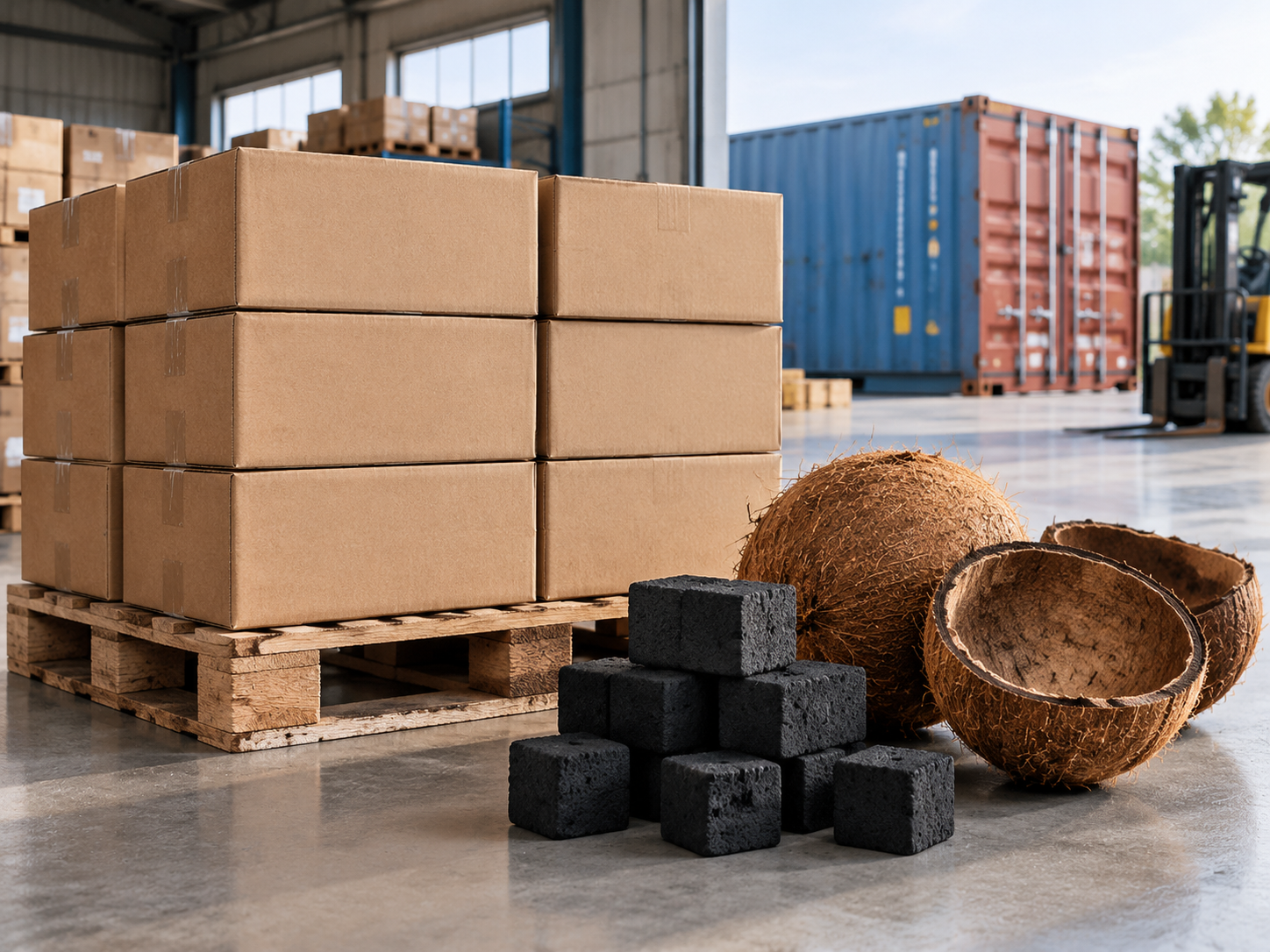
The True Cost of Hookah Charcoal: A 2026 Importer’s ROI Framework
A low quote for hookah charcoal can conceal costs from breakage, inconsistent performance, shipping delays, and customer returns. This guide outlines how importers can compare coconut shell charcoal with alternatives by landed cost, usable yield, product specifications, and supply reliability.
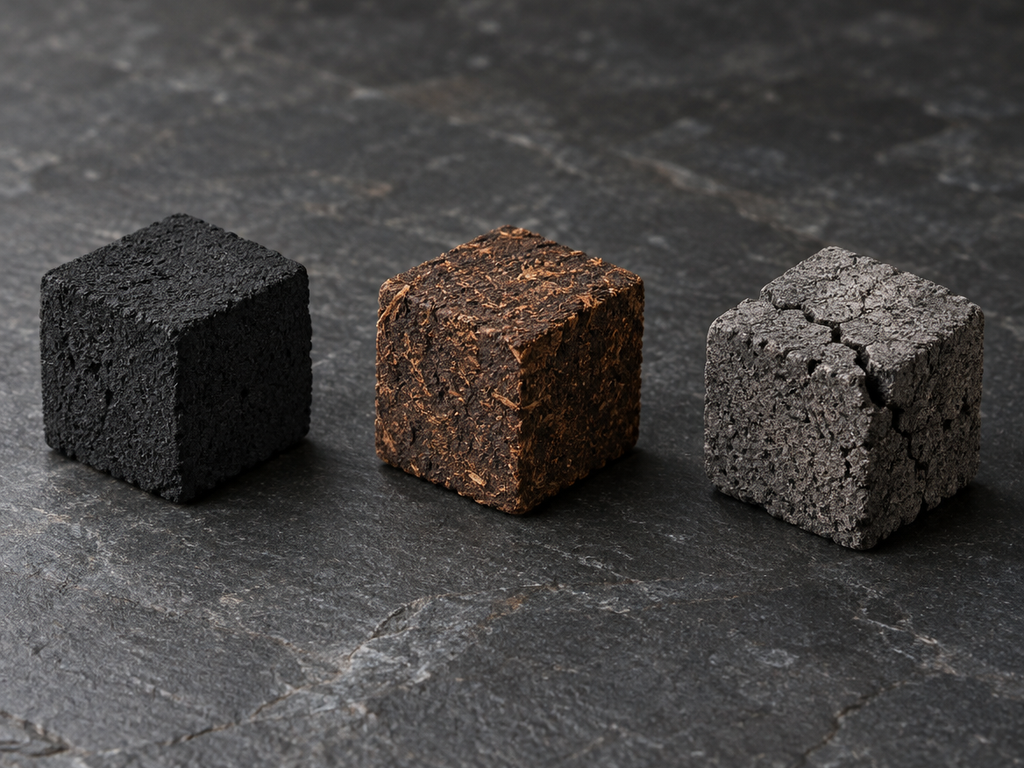
Myth Busted: Is Coconut Shell Charcoal Always the Cleanest and Longest-Lasting?
Coconut shell charcoal can perform well, but its feedstock alone does not guarantee low odor, low ash, or a long burn. Buyers should compare product-specific test results and batch consistency, while using charcoal with proper ventilation and following safety instructions.
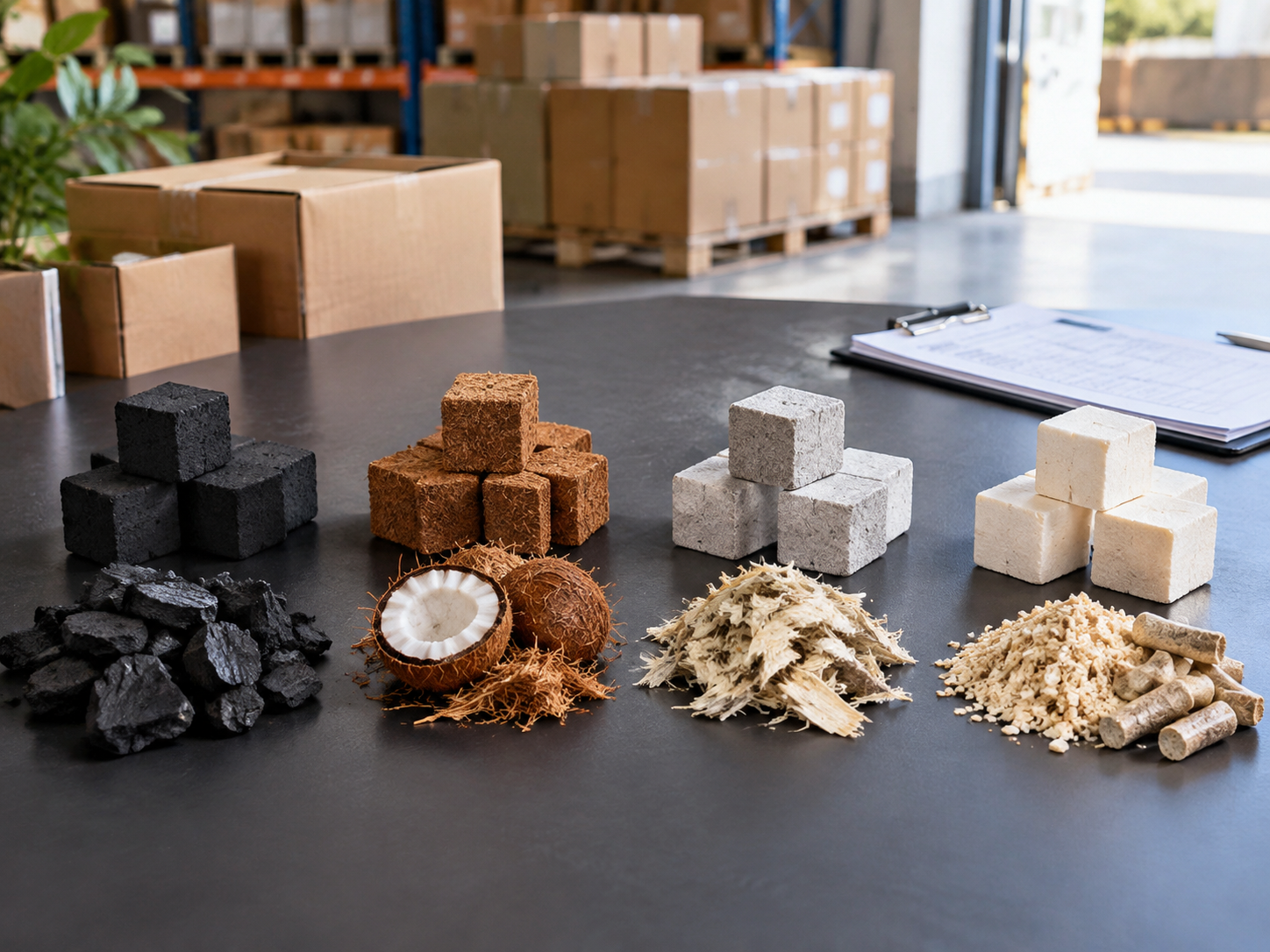
2025 Hookah Charcoal Market Outlook: Why Importers Are Diversifying Beyond Coconut Shell Charcoal
Importers are reassessing hookah charcoal sourcing as supply disruptions, changing logistics costs, product consistency, and demand for variety make single-source strategies riskier. The article outlines a practical approach to comparing coconut shell charcoal with alternatives such as bamboo, fruit wood, and quick-light products, emphasizing documented specifications, supply reliability, compliance, and safe handling.
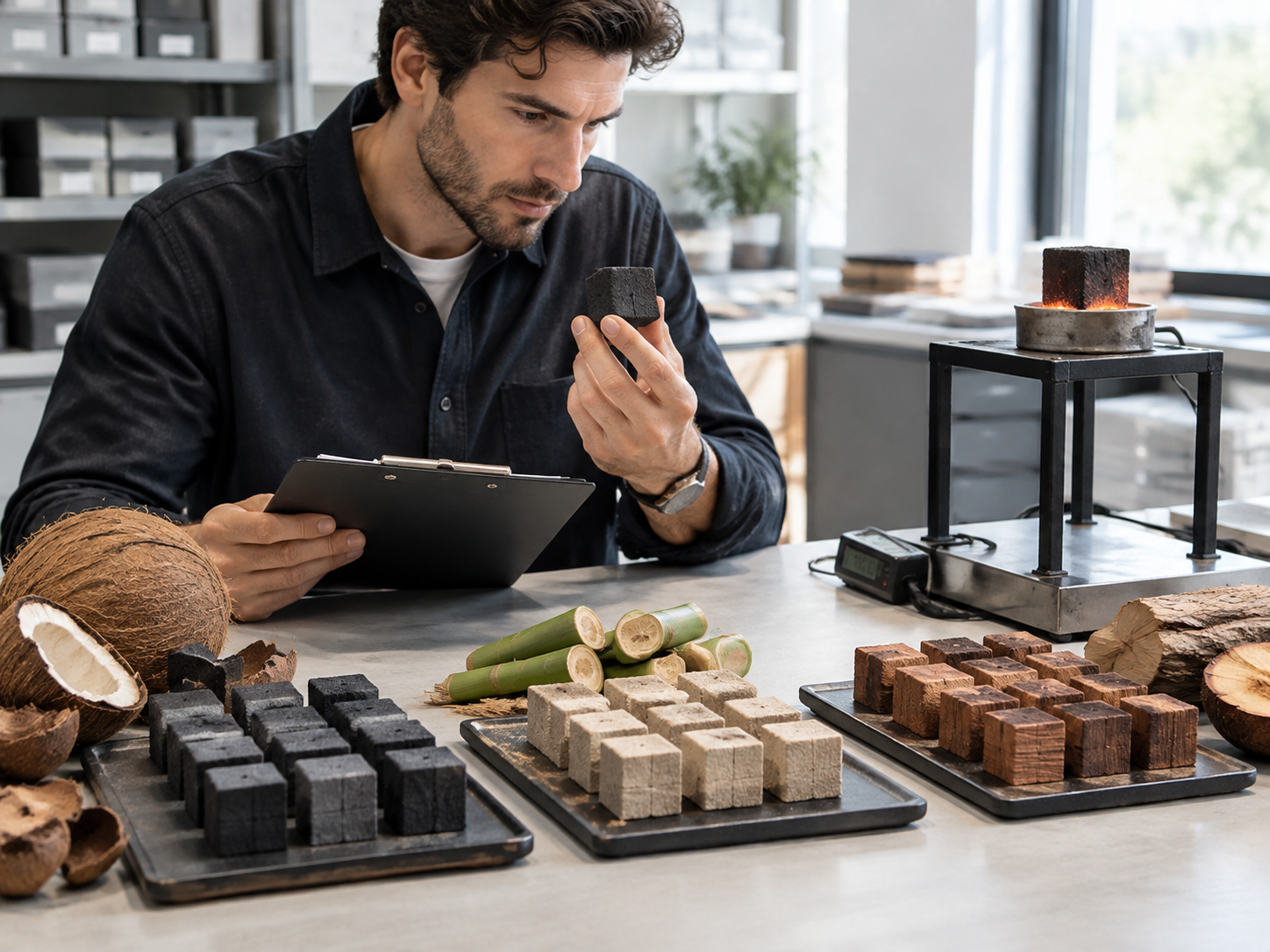
How to Evaluate Alternatives to Coconut Shell Charcoal: A 7-Step Importer Checklist
Switching charcoal feedstocks can affect heat, ash, odor, breakage, delivery reliability, and brand reputation—not just purchase price. This checklist helps importers define product requirements and compare shisha, quick-light, and alternative charcoal under consistent conditions, while keeping incense charcoal specifications separate.
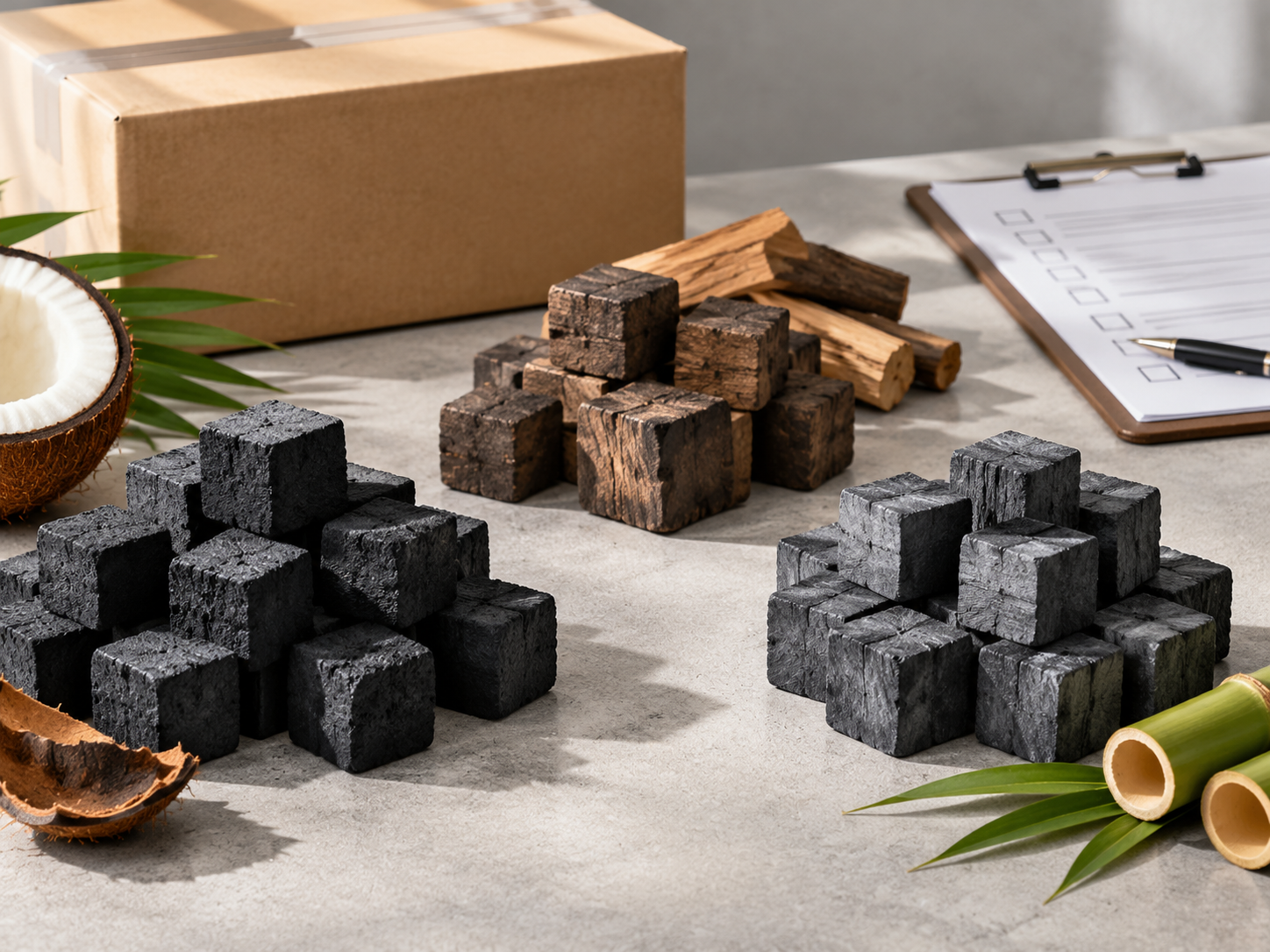
How to Source Hookah Charcoal Without Letting a Low Quote Become a Costly Mistake
This 2026 procurement guide compares coconut shell, fruitwood quick-light, and bamboo cube charcoal, showing how product performance and intended use affect sourcing decisions. It also highlights the risks of judging suppliers by unit price alone and the need to evaluate ignition, odor, ash, heat, and product consistency.
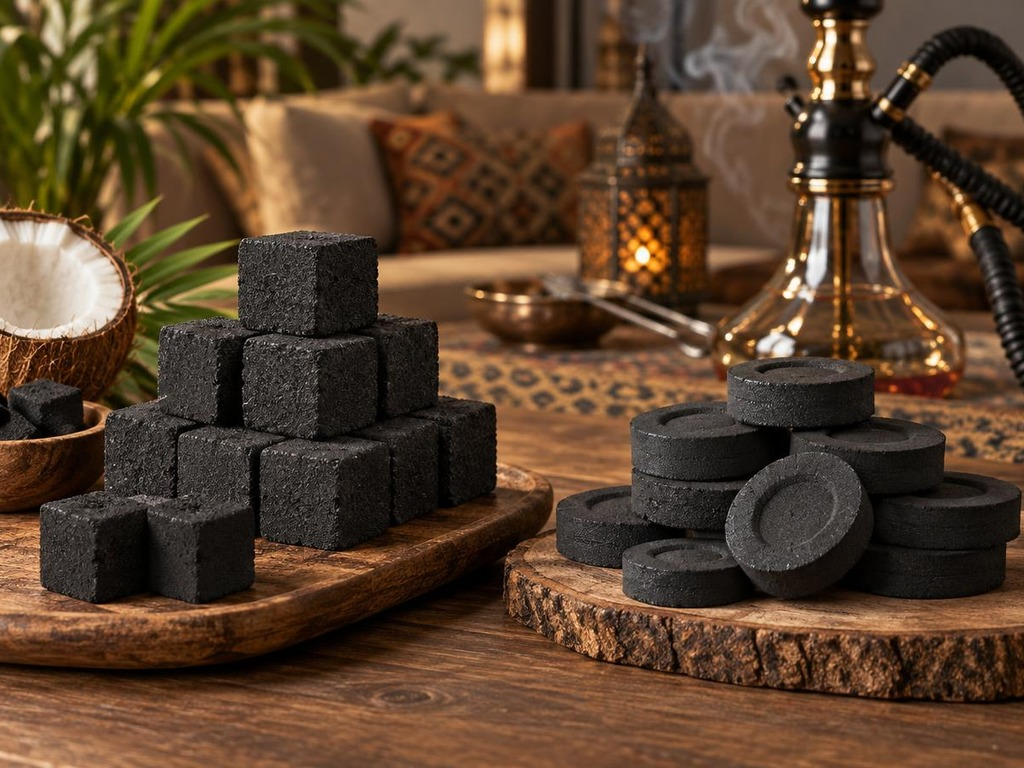
Coconut Shell vs. Fruitwood Quick Light Charcoal: A Wholesale Buyer’s Guide
Compare coconut shell and fruitwood quick light charcoal across performance, pricing, market fit, handling, and supplier reliability. Learn why sample testing and consistent quality matter more than the lowest quote when choosing products for your catalog.
Quick-Light Charcoal Isn’t Automatically Low Quality
Quick-light and coconut-shell charcoal are designed for different uses, and ignition method alone does not determine product quality. Buyers should assess each product by factors such as consistency, odor, ash, burn performance, safety testing, and packaging.
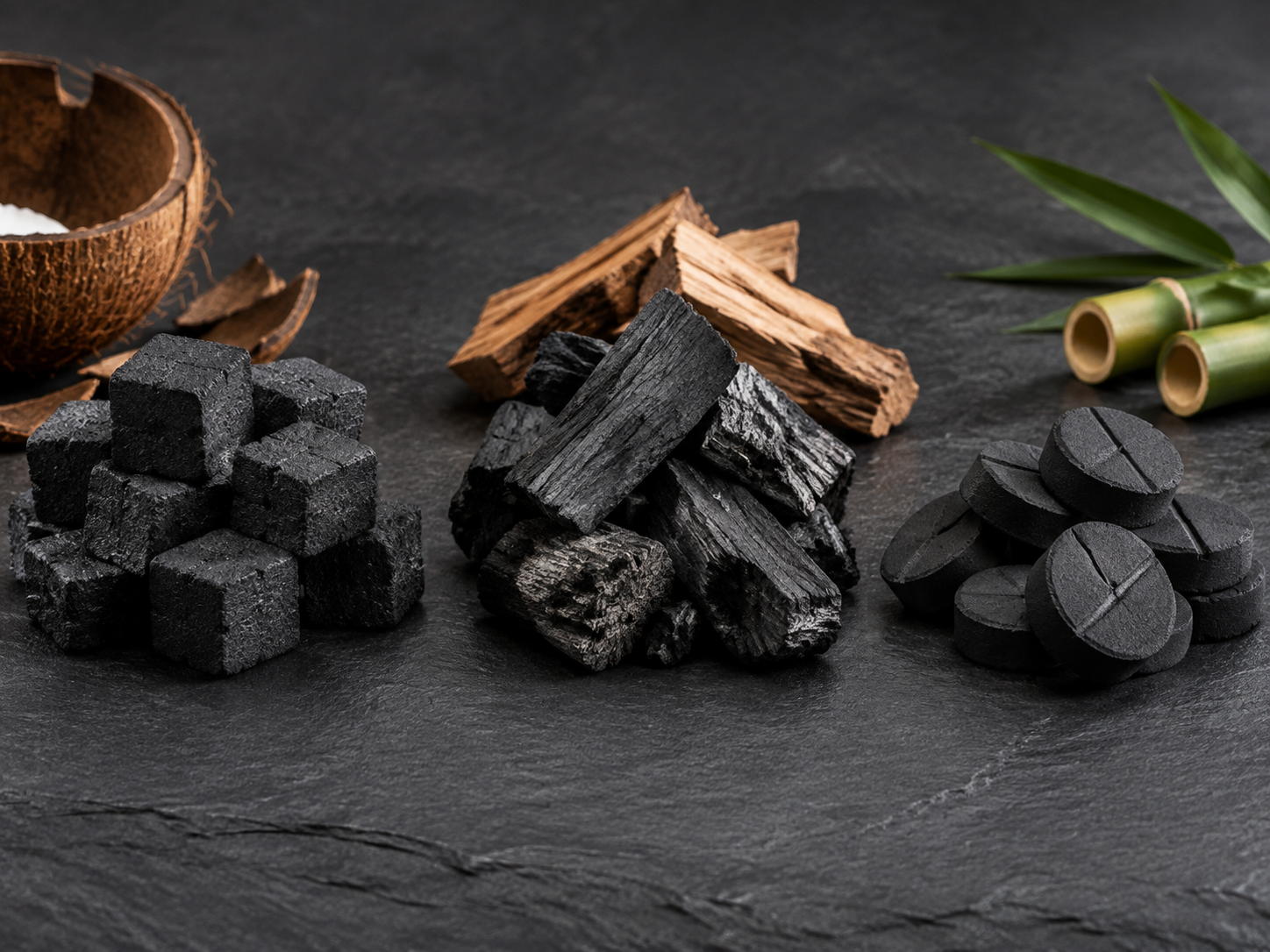
Quick-Light Charcoal in 2026: A B2B Guide to Material and Quality
Buyers are reassessing quick-light charcoal amid concerns about ignition, odor, smoke, breakage, and inconsistent burn performance. This guide frames coconut shell, fruitwood, and bamboo as options for different sourcing and positioning needs, while emphasizing validation of market data, supplier quality, packaging, and real-world performance.
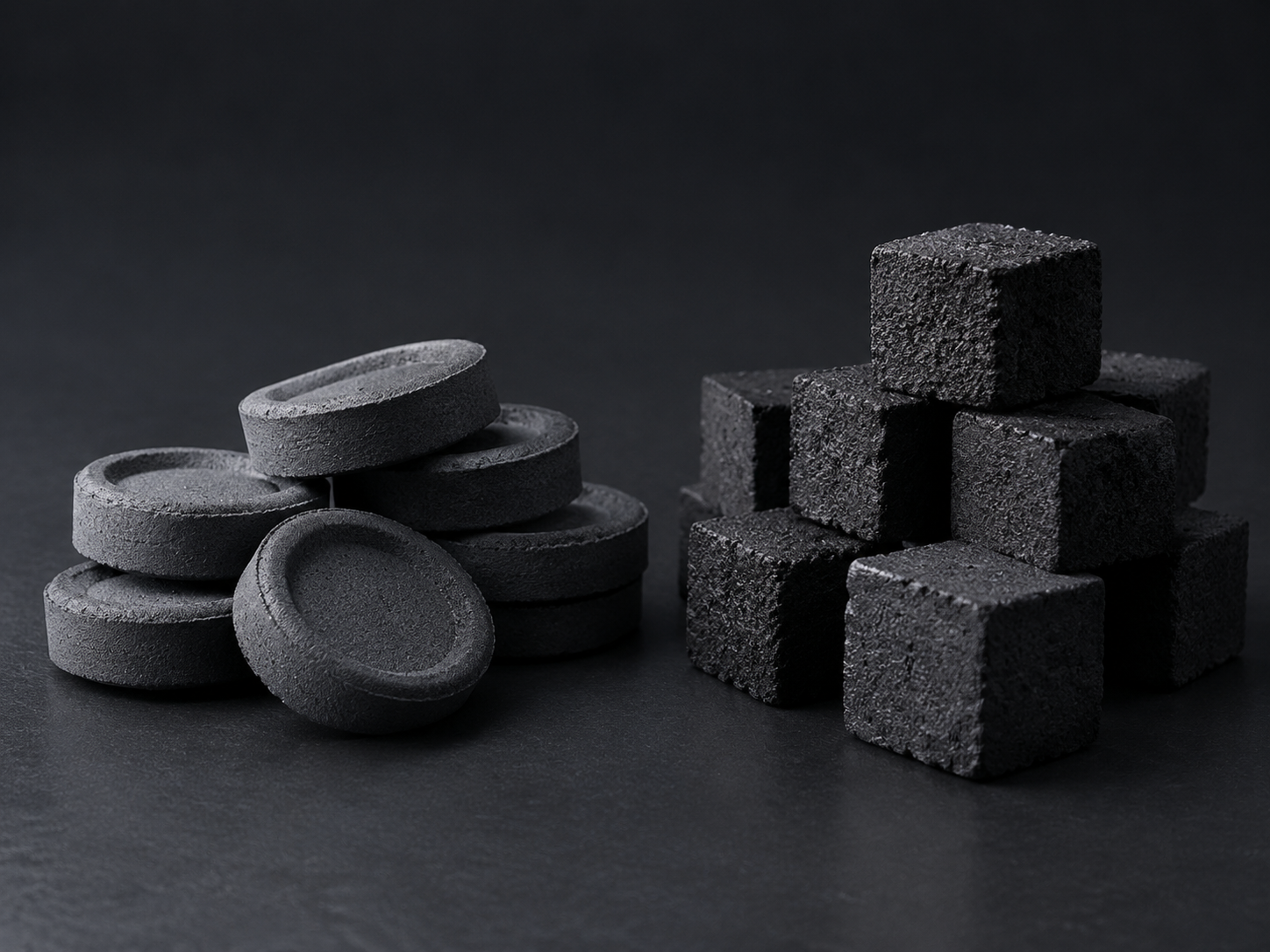
Quick-Light vs. Coconut Charcoal: What Really Defines Quality?
Quick-light charcoal is not inherently inferior to coconut shell charcoal; poor performance usually points to weak formulation, production, or quality control. Buyers should assess each product against its intended use, including ignition time, burn performance, odor, and customer needs.
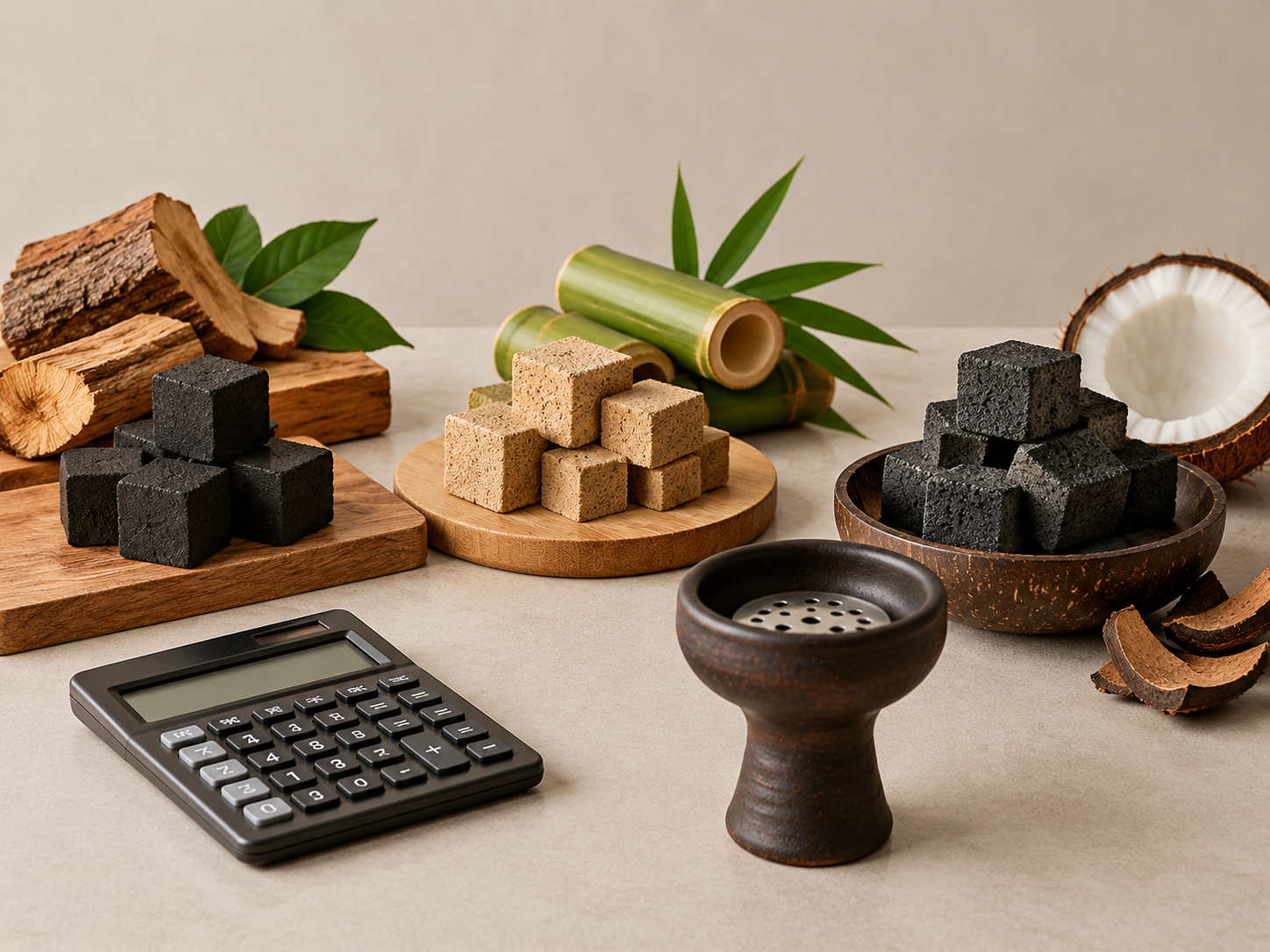
Quick-Light Charcoal ROI: Cost per Session for Fruitwood, Bamboo, and Coconut Shell
Compare fruitwood, bamboo, and coconut-shell charcoal by the cost of usable sessions—not just the price per carton. The guide explains how product format, burn time, ignition, and intended use affect sourcing decisions for lounges, retailers, and private-label buyers.
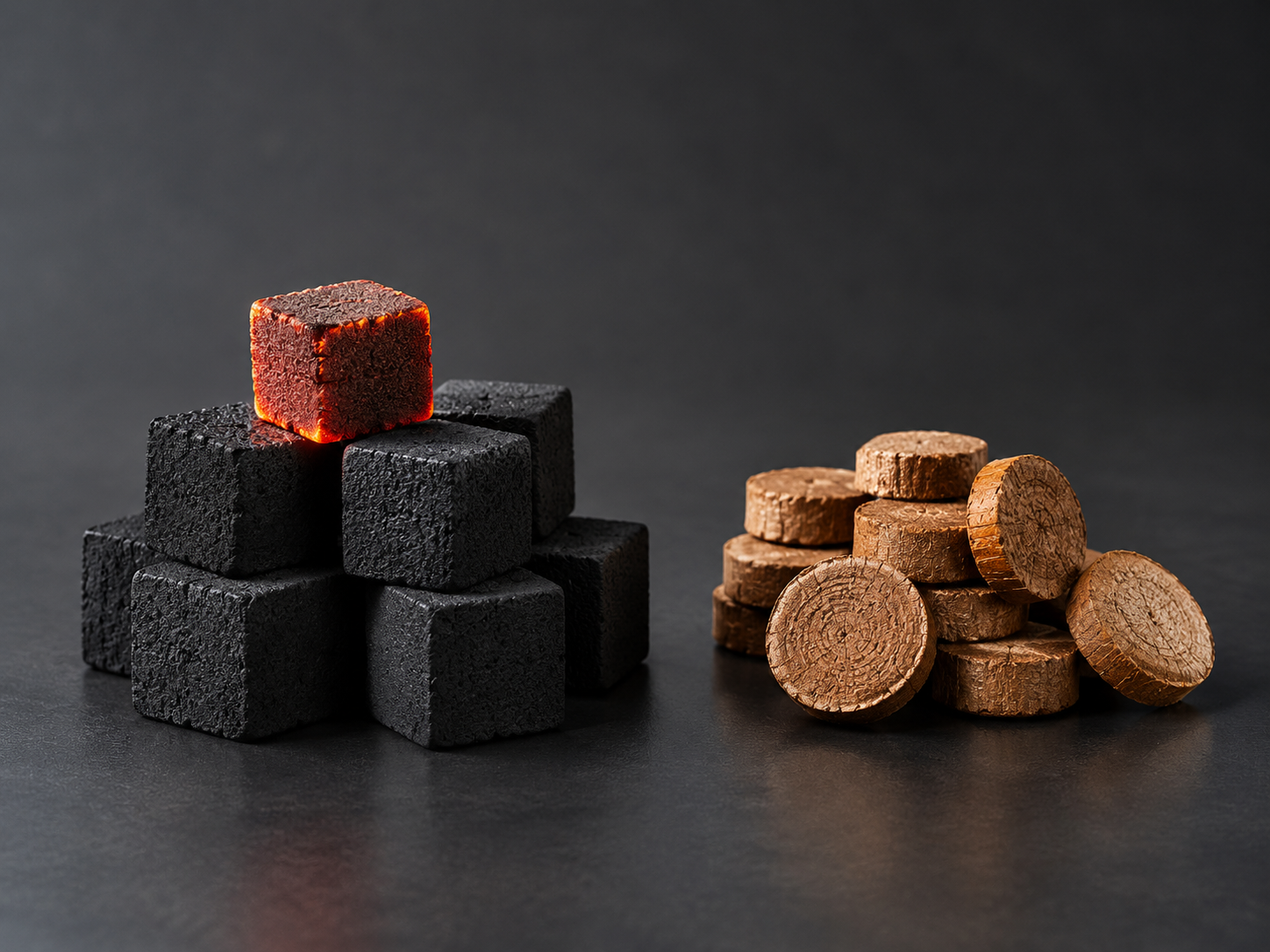
Coconut Shell vs. Fruitwood Quick-Light Charcoal: A 2026 Sourcing Guide
This guide compares natural coconut shell charcoal and fruitwood quick-light charcoal across ignition, burn performance, ash, odor, and typical applications. It offers importers a practical starting point for matching charcoal products to customer needs and evaluating suppliers beyond headline prices.
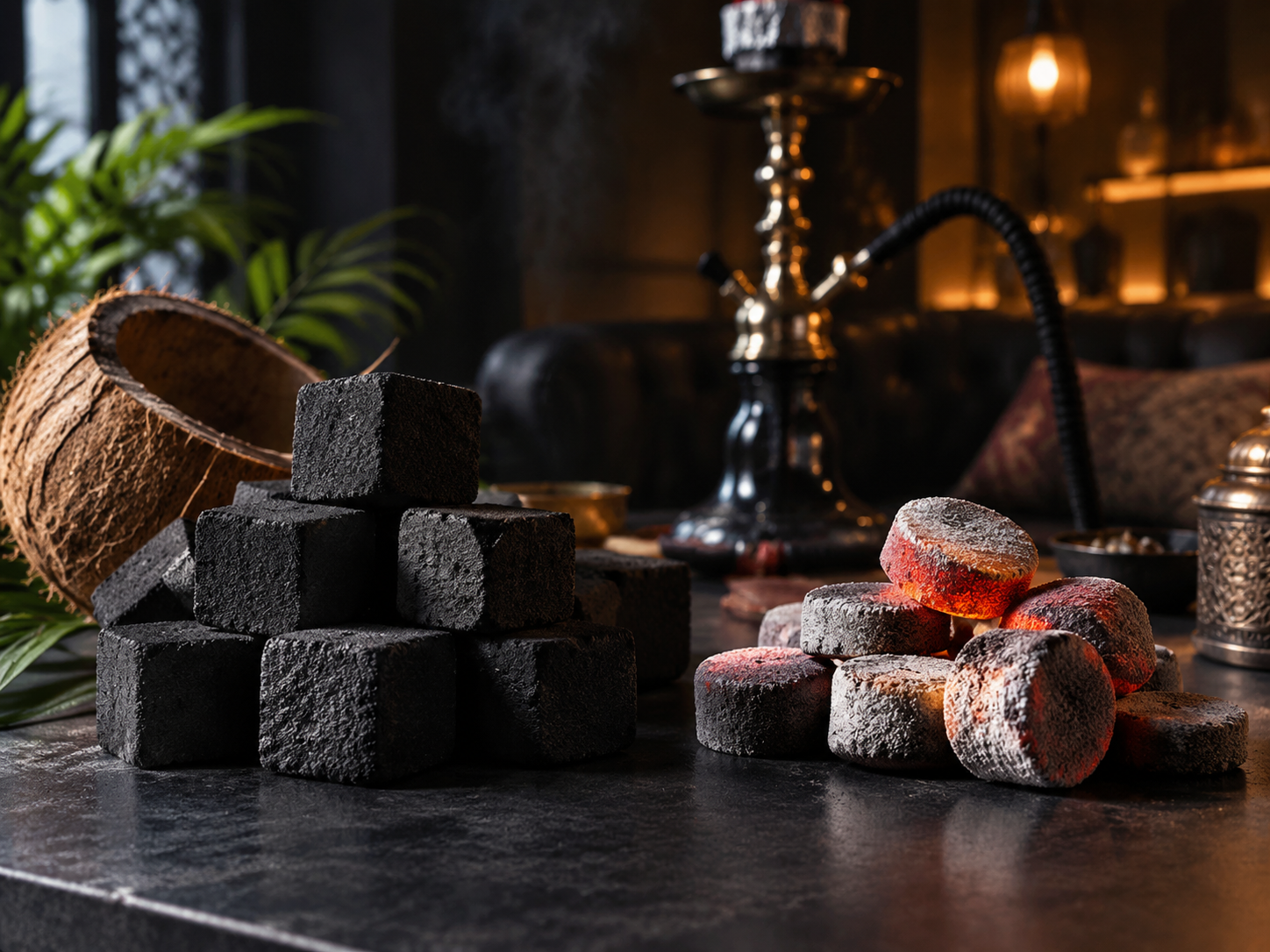
The Coconut Charcoal Myth: Choosing Hookah Charcoal for Market Fit
Coconut shell charcoal can deliver excellent performance, but a premium price or raw material label does not guarantee quality or profit. B2B buyers should match charcoal specifications, turnover, and customer needs to their market rather than defaulting to the most heavily marketed option.
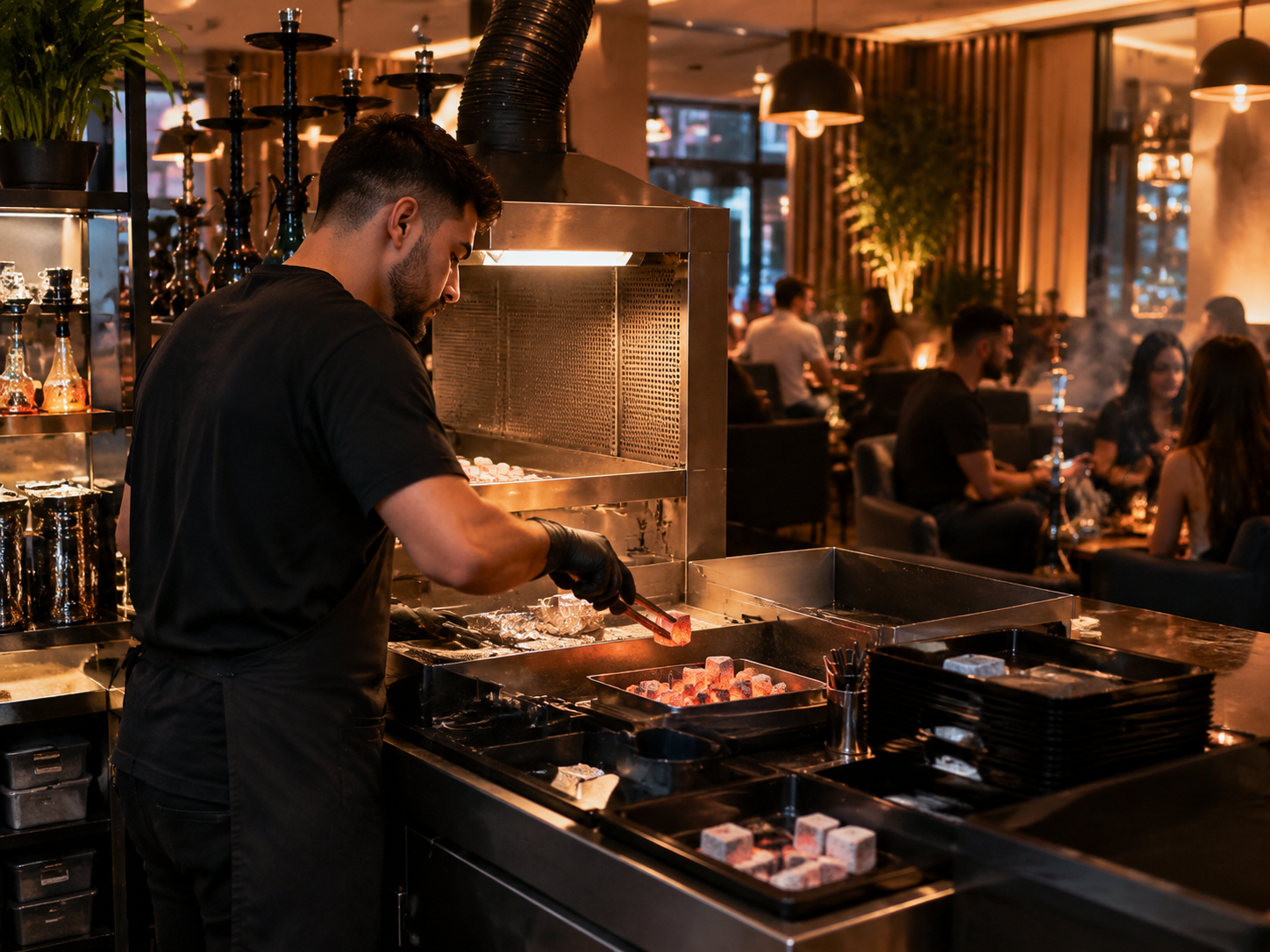
How a German Shisha Lounge Cut Charcoal Costs by 22%
A high-volume German shisha lounge discovered that low carton prices for coconut-shell charcoal concealed higher costs from slow ignition, breakage, inconsistent heat, and frequent replacements. By measuring the total cost of usable heat per session and shifting part of its supply to fruit wood charcoal, the venue reduced charcoal-related expenses by 22%.
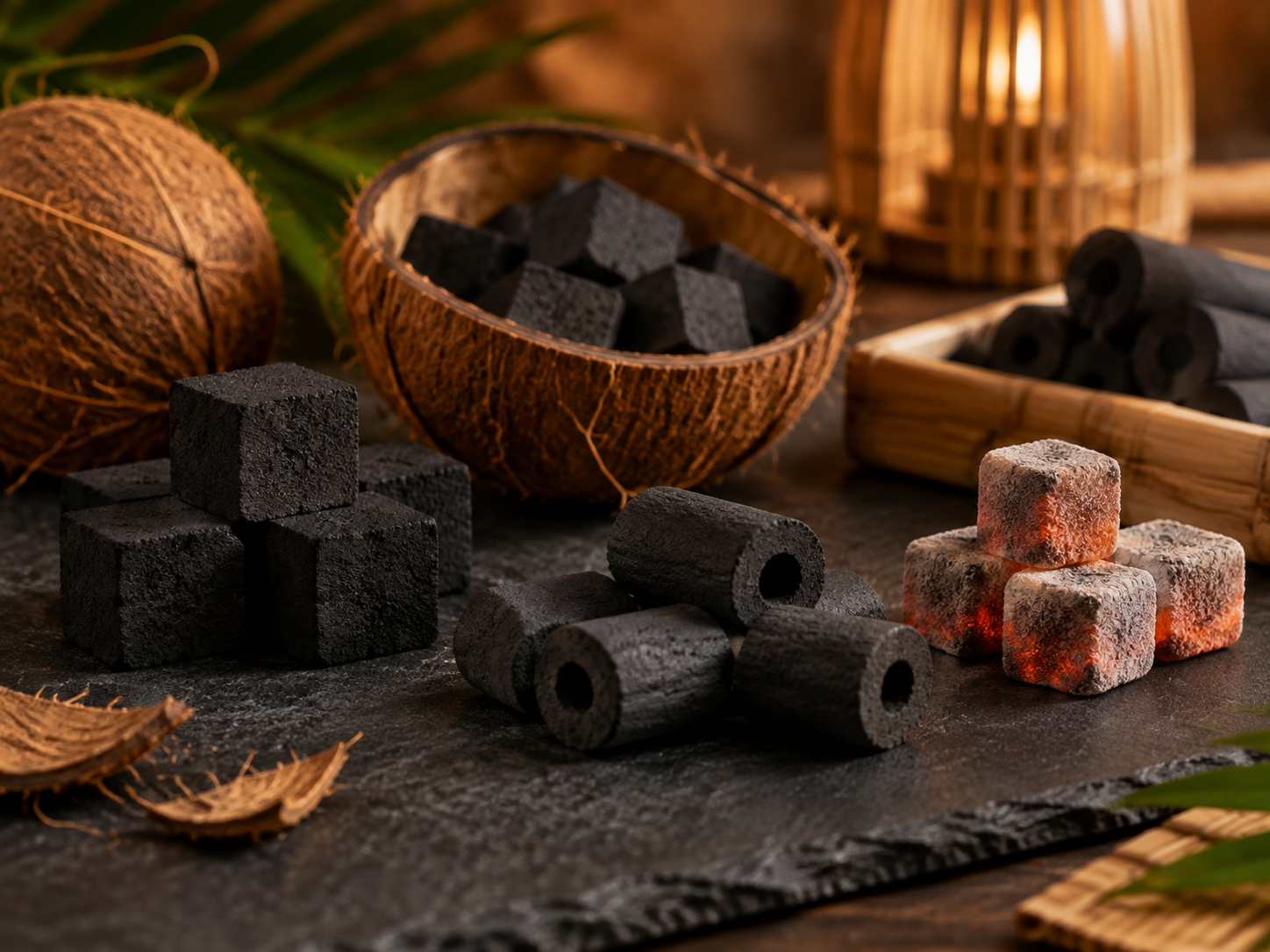
Sourcing Shisha Charcoal: A Practical Framework for Importers and Distributors
The global shisha charcoal market is projected to reach $60.37 million by 2032, driven by premiumization and growing hookah culture worldwide. This guide breaks down material choices, market trends, and sourcing strategies for building a resilient charcoal portfolio.
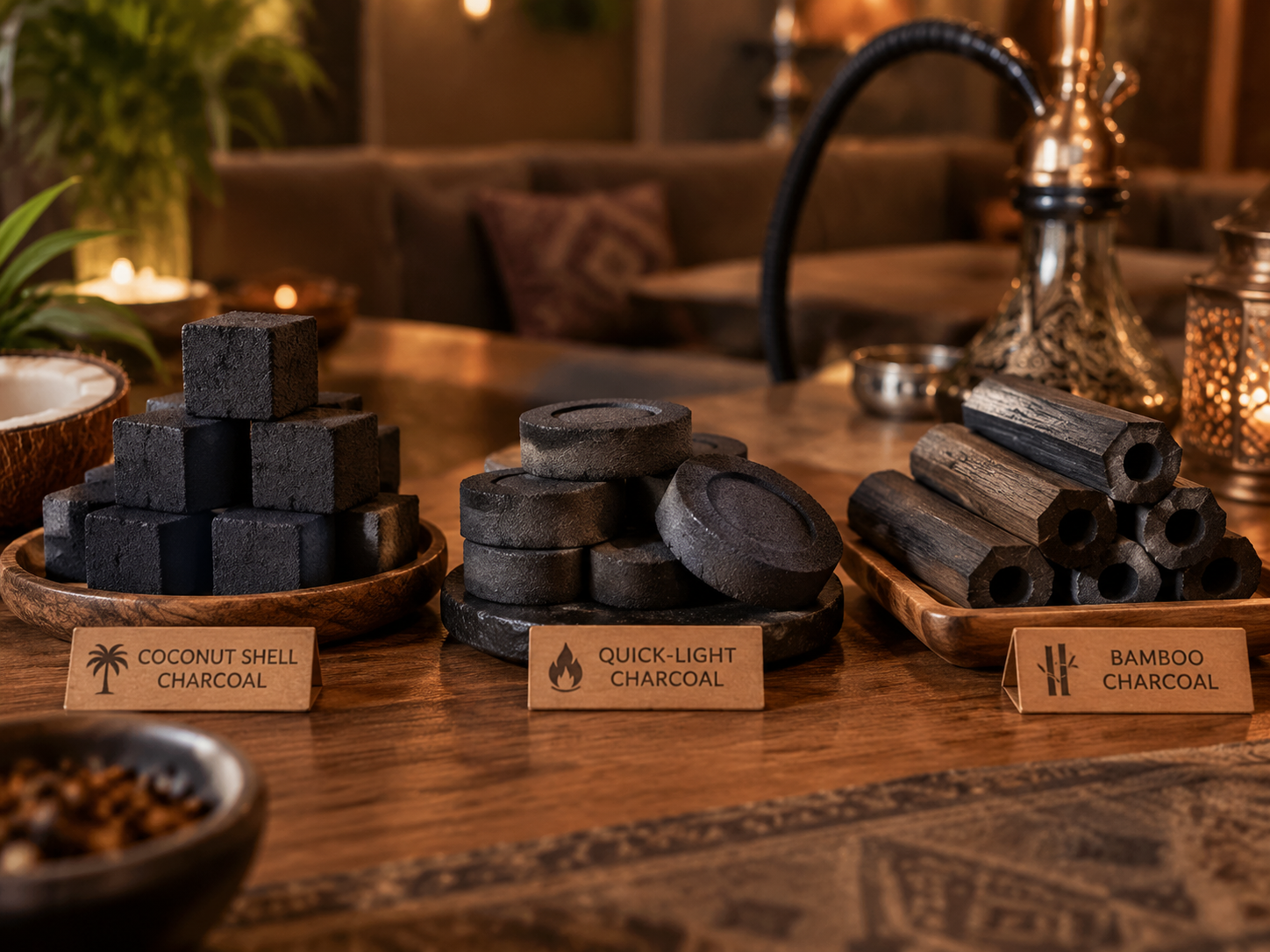
Hookah Charcoal Procurement: Why Coconut Shell Charcoal Is Losing Ground
Coconut shell charcoal has long dominated the hookah market as the premium natural choice, but B2B buyers are now diversifying toward quick-light, bamboo, and blended alternatives. This article examines the market shift and compares the supply chains behind each charcoal type.