
Coconut Shell vs. Fruitwood Quick-Light Charcoal: A 2026 Sourcing Guide

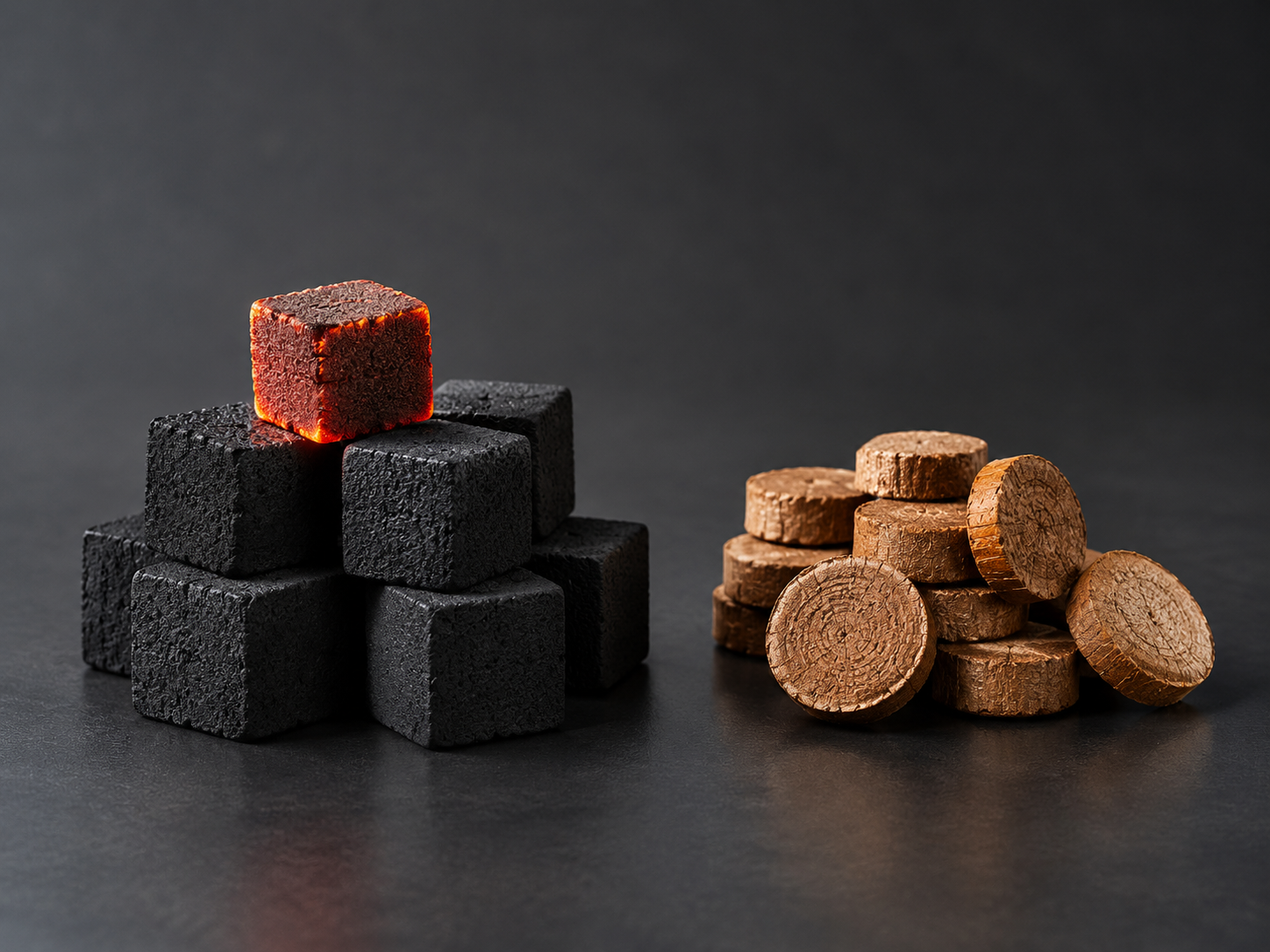
This guide compares natural coconut shell charcoal and fruitwood quick-light charcoal across ignition, burn performance, ash, odor, and typical applications. It offers importers a practical starting point for matching charcoal products to customer needs and evaluating suppliers beyond headline prices.
Introduction: Why Importers Need a More Practical Charcoal Sourcing Framework in 2026
For hookah importers, few purchasing decisions carry as much commercial weight as choosing between natural coconut shell shisha charcoal and fruit wood quick light charcoal. Get it right, and you build a loyal customer base, healthy margins, and a supply chain that runs smoothly through peak season. Get it wrong, and you face complaints about odor, excessive ash, broken cubes, inconsistent heat, and slow-moving inventory that ties up capital for months.
These concerns are not abstract. Buyers routinely raise questions about smoke output, ignition time, ash volume, cube breakage in transit, and vague or unverifiable product claims from overseas suppliers. A supplier may promise "premium quality" without providing fixed carbon values, moisture specifications, or burn-time data. Without a structured comparison framework, importers end up comparing headline prices rather than total value—and that is where margin erosion begins.
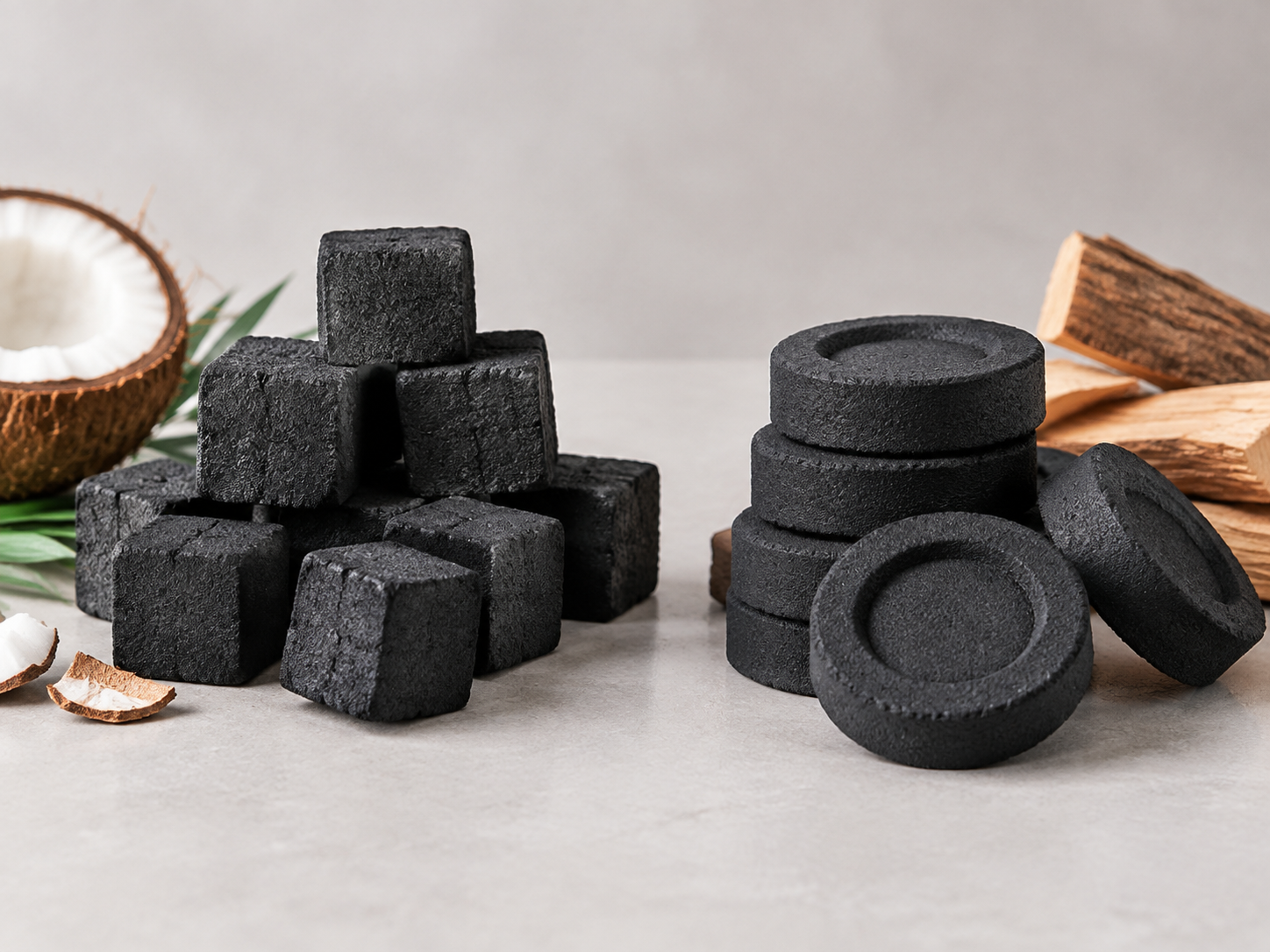
It is also important to acknowledge that quick light charcoal retains genuine appeal. For convenience-focused retail, travel kits, outdoor use, and incense applications, fast ignition is a real customer benefit. Meanwhile, natural coconut shell charcoal has become the default choice for premium hookah consumers who prioritize clean taste, longer sessions, and minimal ash. Neither category is universally superior; they serve different channels and different expectations.
Market data reinforces the scale of the opportunity. The coconut shell charcoal market has been reported at approximately USD 60.37 million, with growing demand for cube-shaped briquettes manufactured with controlled moisture and consistent heat output. That growth is driven largely by hookah and shisha consumption in both established and emerging markets.
This article compares coconut shell charcoal and fruitwood quick-lighting charcoal across performance, applications, sourcing risk, customization, logistics, and total landed cost. The goal is to give importers a practical framework for building a 2026 charcoal portfolio that matches their end markets rather than chasing the lowest quoted unit price.
At-a-Glance Comparison: Coconut Shell Charcoal vs. Fruitwood Quick Light Charcoal
The table below summarizes the main differences buyers should weigh before committing to a container-scale order. Treat it as a starting point for specification discussions, not a substitute for sample testing.
- Raw material: Coconut shell charcoal is carbonized from coconut shells. Fruitwood quick light charcoal is carbonized from fruitwood and typically coated or formulated with an ignition aid.
- Ignition method: Coconut shell charcoal normally requires a burner or electric coil. Quick light charcoal ignites rapidly with a direct flame, often within seconds.
- Burn duration: Coconut shell charcoal generally supports longer sessions and steadier heat. Quick light products tend to burn faster and may need more frequent replacement.
- Heat stability: Dense, well-dried coconut cubes deliver more predictable heat management. Quick light products can vary more depending on coating and binder formulation.
- Ash level: Premium coconut shell briquettes are often selected for low ash and easy cleanup. Quick light charcoal typically produces more ash and may leave residue.
- Odor profile: Natural coconut charcoal is prized for taste neutrality. Quick light charcoal may impart a faint chemical note during ignition due to the accelerant coating.
- Smoke profile: Both produce combustion emissions. Coconut charcoal is generally preferred by consumers seeking a cleaner lighting and smoking experience.
- Typical shape: Coconut shell charcoal is commonly pressed into 25 mm and 26 mm cubes, flats, and hexagonal pieces. Fruitwood quick light charcoal appears as discs, tablets, cubes, and blocks.
- Target market: Coconut shell charcoal suits premium hookah lounges and specialty shisha retail. Quick light charcoal suits convenience retail, travel, outdoor use, and incense applications.
- Purchase considerations: Buyers should evaluate moisture content, density, breakage rates, packaging strength, and documentation rather than raw material alone.
One clarification matters here: product performance varies by formulation, carbonization process, binder, moisture content, and packaging—not simply by raw material category. A poorly manufactured coconut cube can underperform a well-made fruitwood product, and vice versa. The buyer takeaway is straightforward: selection should follow channel requirements, user expectations, local regulations, and the intended use case.
Product Basics: How Each Charcoal Type Is Made
Understanding production methods helps importers ask better questions and interpret supplier claims more critically.
Coconut Shell Charcoal
Coconut shell charcoal is usually carbonized from coconut shells at controlled temperatures, then milled into fine powder. That powder is mixed with a natural binder, pressed into cubes, flats, or hexagonal pieces, and dried under controlled conditions to reach a target moisture level. The pressing and drying stages are where quality is won or lost—inconsistent density or residual moisture leads to cracking, short burn times, and customer complaints.
Common coconut formats include 25 mm and 26 mm cubes, flats, hexagonal pieces, and custom cube sizes developed specifically for hookah use. Many premium buyers request cube-shaped briquettes because they stack neatly on a bowl, distribute heat evenly, and are easier to handle than irregular pieces.
Fruit Wood Charcoal
Fruit wood charcoal is made from carbonized fruitwood and can be processed into discs, tablets, cubes, or specialty forms. Because fruitwood is relatively dense and burns cleanly when properly carbonized, it is a popular base material for both hookah and incense products. However, the term "fruit wood charcoal" covers a wide range of products, and importers should distinguish between fruit wood charcoal for hookah and fruit wood incense charcoal wholesale products. Incense applications often require smaller discs, faster lighting, and different burn characteristics than hookah use.
Quick Light Charcoal
Quick light charcoal is charcoal manufactured with an ignition aid or surface treatment that allows it to spark and light rapidly when exposed to a flame. This is what makes quick light charcoal so convenient for consumers without access to a burner. The trade-off is that the accelerant can affect odor during ignition and may increase ash output.
Within this category, product design varies significantly. For example, a 50×50×40 mm block quick-burning charcoal made from black fruit wood—such as the AA554-SBQ specification—is engineered for fully burning performance across BBQ, outdoor cooking, and hookah use, with ignition reported in the 1–3 second range. Larger block formats like this appeal to buyers serving outdoor cooking and multi-purpose retail channels, where a single product can address several use cases.
Perforated formats represent another design approach. A 50 mm perforated quick-burning fruit charcoal, for instance, is positioned for hookah, shisha, and aromatherapy burners, with fruit-fragrance characteristics that some consumers find appealing. Perforations can influence airflow and ignition behavior, which is why buyers should test these products under real conditions rather than relying on catalog descriptions.
It is also worth noting that bamboo charcoal is another relevant category for buyers seeking renewable feedstocks. Bamboo grows quickly and can be harvested sustainably, which supports sourcing narratives around bamboo shisha charcoal wholesale and bamboo charcoal cubes for shisha wholesale. For eco-positioned brands, bamboo offers a credible alternative to coconut and fruitwood, provided the supplier can document traceability and consistent quality.
Performance Comparison for Hookah, Shisha, and Incense Applications
Performance is where the two categories diverge most sharply, and where importer decisions have the greatest impact on customer satisfaction.
Ignition
Quick light charcoal offers faster startup—often within seconds—which is a genuine advantage for beginners, outdoor users, and retail channels where burners are less accessible. Coconut shell charcoal normally requires a burner or electric coil and takes several minutes to reach full heat. The upside is that natural charcoal avoids the need for ignition chemicals, which many premium consumers view as a cleaner option.
Heat Duration
Coconut shell charcoal generally supports longer sessions and steadier heat management when manufactured to consistent density and moisture specifications. For hookah lounges where session length directly affects table turnover and customer satisfaction, this matters commercially. Quick light products tend to burn hotter and faster, which can be convenient but often requires more pieces per session.
Ash
Premium coconut shell briquettes are often selected for low ash and easy cleanup. However, buyers should request verified ash-content specifications rather than relying on generic marketing claims. Ash volume affects the customer experience directly—excessive ash on a bowl can restrict airflow and alter flavor.
Odor and Taste Neutrality
This is a decisive factor for premium shisha charcoal buyers. Low odor during both the lighting and smoking stages protects the flavor profile of the tobacco, which is why serious hookah consumers often insist on natural coconut charcoal. Quick light products may introduce a faint chemical note during ignition, though this varies by formulation and dissipates once the accelerant has burned off.
Quick-Lighting Convenience
Fruit wood quick light charcoal suits travel kits, beginner customers, outdoor use, and retail channels where burners are less accessible. For importers serving convenience stores or e-commerce channels with novice buyers, quick light products can reduce friction and improve first-purchase satisfaction.
Incense Applications
Fast-lighting discs are useful for resin and aromatherapy applications, where rapid ignition and consistent heat matter more than long burn duration. Importers sourcing incense charcoal should ensure the product is clearly labeled for its intended use and includes appropriate safety handling information. Working with an experienced incense charcoal manufacturer for aromatherapy applications helps ensure that disc diameter, burn time, odor, and ignition consistency meet the expectations of this specialized segment.
Safety note: All charcoal creates combustion emissions. Products should only be used in well-ventilated areas and in accordance with applicable product and safety guidance. Importers should verify that labeling meets destination-market requirements.
Which Product Fits Which Buyer? Segmenting Your 2026 Import Portfolio
Rather than choosing one charcoal type, most successful importers build a portfolio that maps products to channels. Here is how the segments typically break down.
- Premium hookah lounges and specialty shisha retailers: Prioritize natural coconut shell hookah charcoal with predictable heat, low odor, stable cubes, and strong packaging. These buyers care about session consistency and taste neutrality above unit price.
- Mass-market retail, convenience stores, and starter kits: Consider quick light charcoal where easy ignition is a leading purchase driver. Convenience often outweighs performance nuance in these channels.
- Incense, resin, and aromatherapy distributors: Evaluate fruit wood incense charcoal wholesale formats, including disc diameter, burn time, odor, ash, and ignition consistency. These buyers need clearly labeled, application-specific products.
- Eco-positioned retail brands: Compare coconut shell and bamboo charcoal sourcing narratives, traceability, packaging materials, and substantiated sustainability documentation. Claims must be defensible.
- E-commerce sellers: Prioritize moisture-resistant packaging, breakage protection, consistent carton dimensions, barcode readiness, and clear safety instructions. Returns and complaints are expensive in online channels.
- Wholesalers serving multiple channels: Build a two-tier range with natural coconut cube shisha charcoal plus fruitwood quick-light products to address both premium and convenience-led demand.
This segmentation approach reduces the risk of forcing a single product into channels where it does not perform. It also creates natural upsell pathways—customers who start with quick light charcoal often graduate to natural coconut products as their preferences develop.
Buyer Economics: Cost per Session, Landed Cost, and Margin Drivers
Unit price alone is an incomplete comparison for charcoal wholesale purchasing. Two products quoted at the same price per carton can deliver very different economics once you account for weight, piece count, burn duration, and breakage.
Total landed cost should be calculated using EXW or FOB price, cube weight, pieces per box, inner-box configuration, carton strength, freight, duties, insurance, testing, and expected breakage. A lighter cube may reduce freight cost per container but require more pieces per session, shifting cost from logistics to the consumer experience.
Cost per session is the more meaningful metric. A cheaper quick light charcoal product may require more pieces or offer shorter duration, while denser coconut shell charcoal may deliver longer usable heat per piece. Importers who model cost per session rather than cost per box often discover that premium natural charcoal is more competitive than it first appears.
Retail margin depends on pack format, private-label positioning, channel pricing, promotional needs, and customer reorder behavior. A well-designed retail box with clear branding can support higher shelf pricing, while bulk formats suit lounges and high-volume buyers.
It is also worth examining small but meaningful differences in yield, breakage, and repeat-purchase performance. Reported charcoal market leader research has cited a 3% buyer-criteria figure, which serves as a useful prompt: even marginal improvements in breakage rates or burn consistency can compound into significant margin gains across thousands of units.
The practical recommendation is to request pre-shipment samples and document real-world burn tests before committing to container-scale orders. Test with the actual hookah setups, bowls, and tobacco your customers use—not just in a laboratory setting.
Quality Control Checklist: What Importers Should Test Before Buying
A structured quality control process protects both your brand and your margins. The following checklist covers the essentials.
- Request specification sheets covering fixed carbon, ash content, volatile matter, moisture, calorific value, density, dimensions, burn time, and ignition time.
- Test cube consistency, including width, weight tolerance, surface cracks, compression strength, and breakage after simulated transport.
- Evaluate lighting behavior, spark intensity for quick light charcoal, odor at ignition, smoke level, heat stability, and ash color during use.
- Confirm packaging performance through drop tests, humidity exposure checks, carton stacking tests, and container-loading plans.
- Ask a hookah charcoal supplier for batch-level production records, inspection procedures, and sample retention practices.
- For a shisha charcoal manufacturer or hookah charcoal factory, verify raw-material controls, drying conditions, metal detection where applicable, and final-product inspection procedures.
- Avoid unverified "smokeless," "chemical-free," "eco-friendly," or "non-toxic" claims. Require evidence and ensure claims comply with destination-market advertising rules.
Moisture content deserves particular attention. Charcoal that leaves the factory at an acceptable moisture level can absorb humidity during ocean transit, leading to lighting difficulties, cracking, and customer complaints. Moisture-resistant packaging and desiccant strategies are not optional for long-haul shipments.
How to Select a Reliable OEM, Private-Label, or Export Partner
The supplier relationship often determines whether a charcoal program succeeds or fails. Start by understanding the differences between supplier types.
- Trading company: Offers flexibility and communication convenience but may have limited control over production quality and lead times.
- Hookah charcoal OEM manufacturer: Produces to your specifications and branding but may or may not own the production facility.
- Direct factory relationship: Provides the greatest visibility into production, quality control, and capacity—but requires more due diligence and often higher minimum order quantities.
Supplier due diligence should cover factory audits, production capacity, raw-material sourcing, quality management systems, export experience, communication speed, and contingency planning. Ask how the supplier handles quality disputes, production delays, and seasonal demand surges.
For private label hookah charcoal manufacturer selection, assess artwork support, MOQ, custom packaging, color printing, language labeling, retail display boxes, and barcode integration. A supplier that cannot support your branding requirements will limit your ability to build retail presence.
For a custom hookah charcoal supplier, define product customization options such as cube size, weight, tablet diameter, burn profile, ash target, carton count, and branding. The more precisely you specify, the easier it becomes to compare quotations on equal terms.
Buyers evaluating a shisha charcoal factory in China or another export market should verify export documentation, destination-country requirements, and container-loading capability. Documentation accuracy matters—missing certificates or mislabeled shipments can delay customs clearance and disrupt retail schedules.
Specialized sourcing scenarios also deserve attention. Whether you need a fruit wood quick light hookah charcoal manufacturer, a quick light hookah charcoal factory, a fruit wood hookah charcoal OEM, or bamboo hookah charcoal custom production, the evaluation criteria remain consistent: verified specifications, documented quality control, and proven export reliability.
Finally, compare at least three qualified quotations on equal specifications rather than comparing headline price alone. A lower quote that omits testing, uses weaker cartons, or lacks documentation is rarely the better deal.
2026 Procurement Strategy: Build a Resilient Charcoal Supply Program
A resilient charcoal program balances product mix, quality standards, inventory planning, and supplier diversification.
- Dual-SKU strategy: Stock natural coconut shell charcoal for premium hookah users and quick light charcoal for convenience and incense-oriented demand. This hedges against shifts in consumer preference and channel performance.
- Written acceptance criteria: Define dimensions, moisture limits, ash limits, burn-time ranges, packaging requirements, and allowable breakage before issuing purchase orders. Ambiguity invites disputes.
- Inventory planning: Plan around lead times, seasonal demand peaks, container utilization, and the higher moisture sensitivity of charcoal during storage and transit.
- Diversified supply: Consider options across coconut, fruit wood, and bamboo charcoal categories to reduce raw-material and regional sourcing risk.
- Supplier scorecards: Measure quality consistency, on-time delivery, claims handling, response time, documentation accuracy, and total landed-cost performance. Review scores quarterly and act on trends.
The best product is not universally coconut or quick light—it is the charcoal that matches the importer's end market, safety requirements, brand promise, and operational economics. Importers who build their 2026 strategy around channel fit rather than raw-material preference will be better positioned to grow margins and retain customers.
FAQ: Questions Hookah Importers Ask Before Placing a Bulk Order
Is coconut shell charcoal better than quick light charcoal for premium shisha customers?
For most premium shisha customers, yes—natural coconut shell charcoal is generally preferred for its taste neutrality, longer burn duration, and lower ash output. However, "better" depends on the customer segment. Convenience-focused buyers may still prefer quick light products.
What is the ideal cube size for a bulk hookah charcoal supplier serving lounges and retailers?
25 mm and 26 mm cubes are the most common formats for hookah use, as they stack neatly and provide consistent heat distribution. Some lounges prefer flats or hexagonal pieces depending on their bowl types and session style. Confirm the preferred format with your end customers before ordering.
Can fruit wood charcoal cubes supplier products be used for both hookah and incense?
Some fruitwood products work across both applications, but performance requirements differ. Incense applications often favor smaller discs with faster lighting, while hookah use benefits from larger cubes with longer burn times. Buyers should confirm intended use and labeling with their supplier.
What documents should a shisha charcoal exporter provide before shipment?
Typical documentation includes commercial invoice, packing list, bill of lading, certificate of origin, and any destination-specific compliance certificates. Buyers should also request batch-level quality records and test reports where available.
How do I evaluate a B2B hookah charcoal supplier before ordering a full container?
Start with a factory audit or video walkthrough, request specification sheets and batch records, order pre-shipment samples, conduct real-world burn tests, and check references from existing export customers. Compare at least three suppliers on equal specifications.
What customization options are available from a hookah charcoal manufacturer for importers?
Common options include cube size, weight, tablet diameter, burn profile, ash target, carton count, private-label branding, custom packaging artwork, and language-specific labeling. MOQs vary by supplier and customization complexity.
When should buyers consider bamboo cube shisha charcoal supplier options instead of coconut shell charcoal?
Bamboo charcoal is worth evaluating when sustainability positioning, renewable feedstock sourcing, or regional supply diversification are priorities. Bamboo grows quickly and can support credible eco-narratives, provided the supplier can document traceability and consistent quality.
Related Articles
Myth Busted: Is Coconut Shell Charcoal Always the Cleanest and Longest-Lasting?
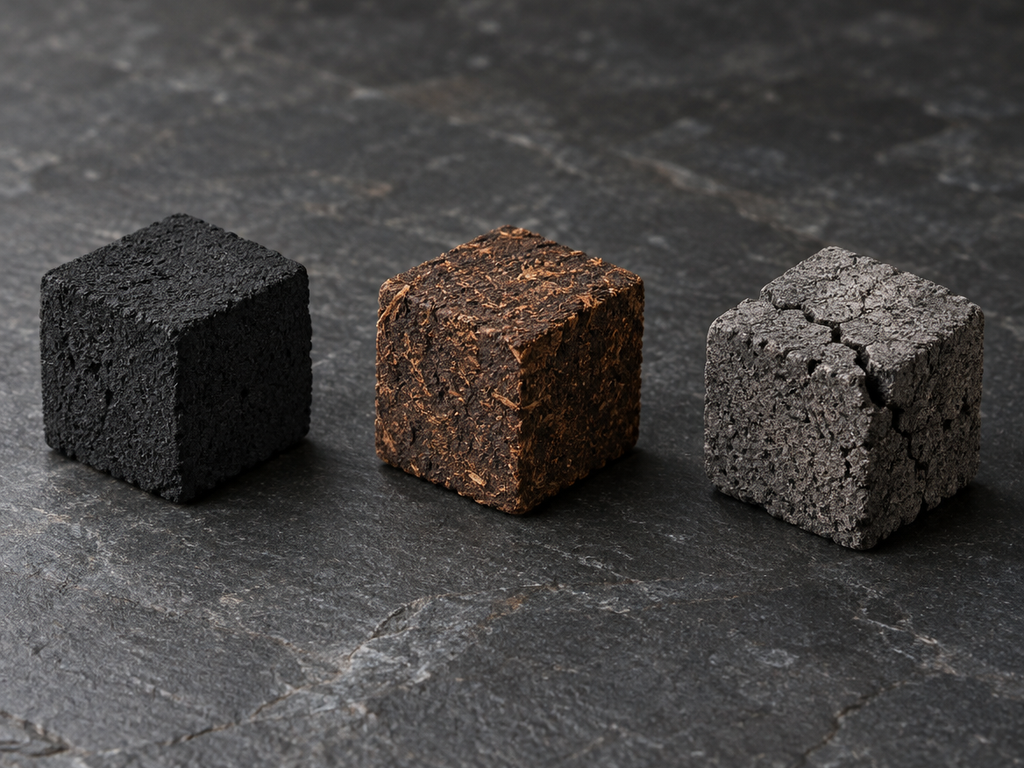
Coconut shell charcoal can perform well, but its feedstock alone does not guarantee low odor, low ash, or a long burn. Buyers should compare product-specific test results and batch consistency, while using charcoal with proper ventilation and following safety instructions.
2025 Hookah Charcoal Market Outlook: Why Importers Are Diversifying Beyond Coconut Shell Charcoal
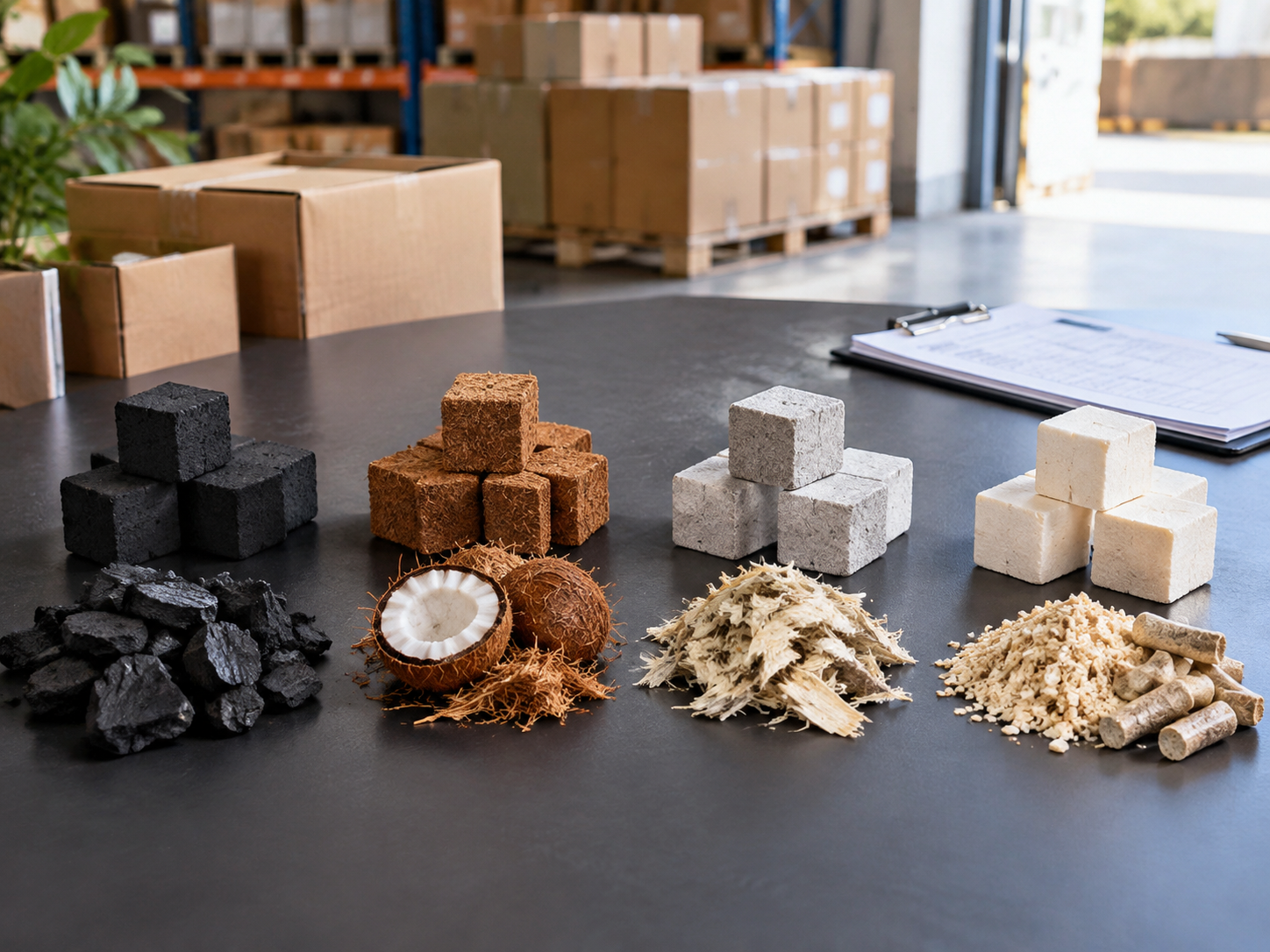
Importers are reassessing hookah charcoal sourcing as supply disruptions, changing logistics costs, product consistency, and demand for variety make single-source strategies riskier. The article outlines a practical approach to comparing coconut shell charcoal with alternatives such as bamboo, fruit wood, and quick-light products, emphasizing documented specifications, supply reliability, compliance, and safe handling.