
Quick-Light Charcoal in 2026: A B2B Guide to Material and Quality

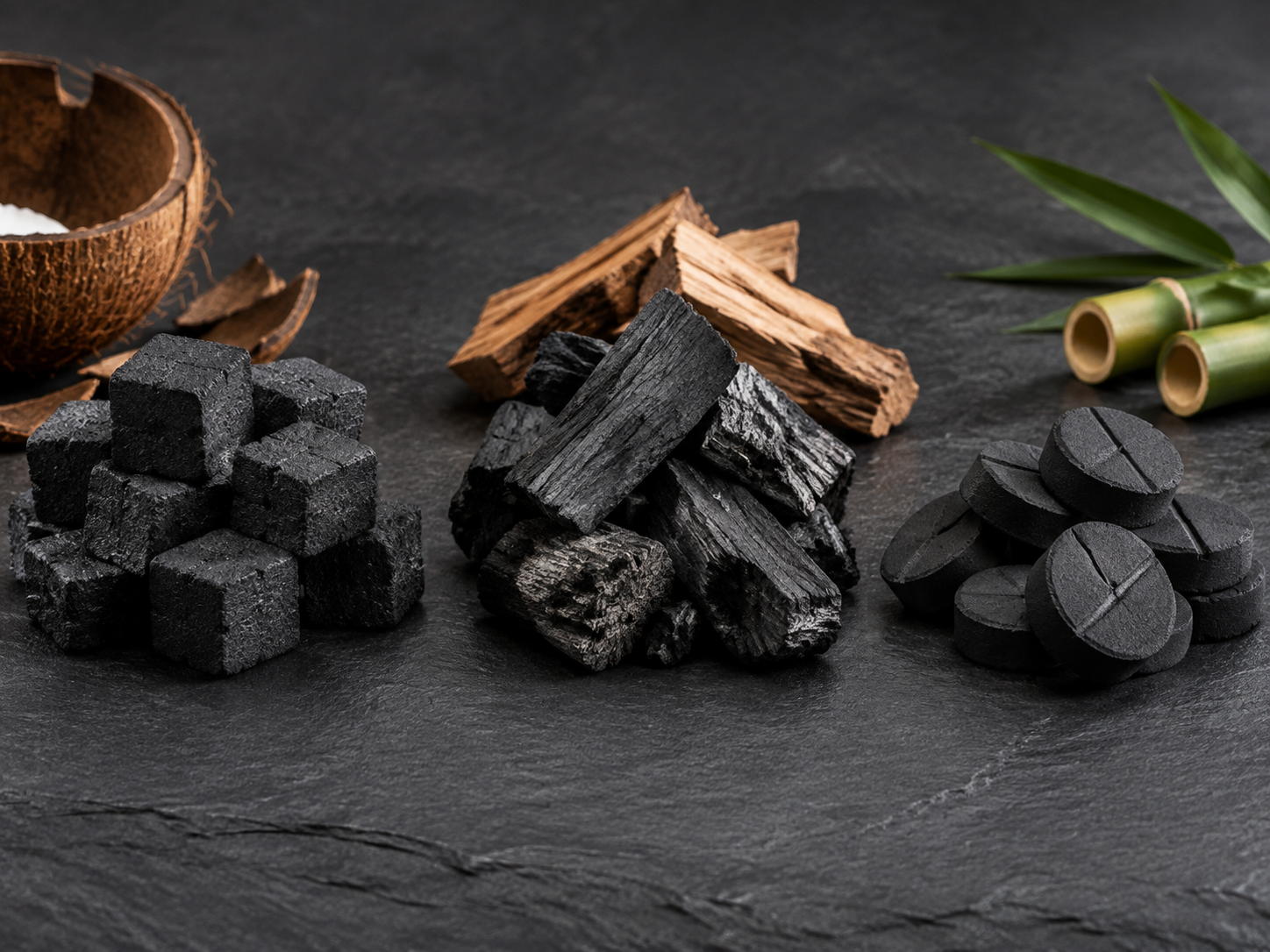
Buyers are reassessing quick-light charcoal amid concerns about ignition, odor, smoke, breakage, and inconsistent burn performance. This guide frames coconut shell, fruitwood, and bamboo as options for different sourcing and positioning needs, while emphasizing validation of market data, supplier quality, packaging, and real-world performance.
Introduction: Why Buyers Are Reassessing Quick-Light Charcoal Portfolios in 2026
Importers, distributors, and private-label buyers entering 2026 share a familiar list of complaints about quick light charcoal: rounds that crumble before they catch, ignition layers that throw off a chemical smell, visible sparking that alarms end users, smoke that lingers far too long during lighting, burn times that swing wildly from carton to carton, and cartons that arrive with broken tablets after a long sea freight. These are not minor annoyances. In a category where repeat purchase depends on the first lighting experience, they translate directly into returns, chargebacks, and lost shelf space.
It helps to remember who actually uses this product. Shisha charcoal and incense charcoal buyers choose quick-light formats because lighting convenience matters — no tongs held over a stove for ten minutes, no waiting for a burner to glow. But that convenience has to be balanced against smoke behavior, ash volume, scent neutrality, and clear safety communication on the pack. A tablet that lights in seconds but smells like a struck match during ignition has not solved the buyer's problem; it has moved it downstream to the retailer.
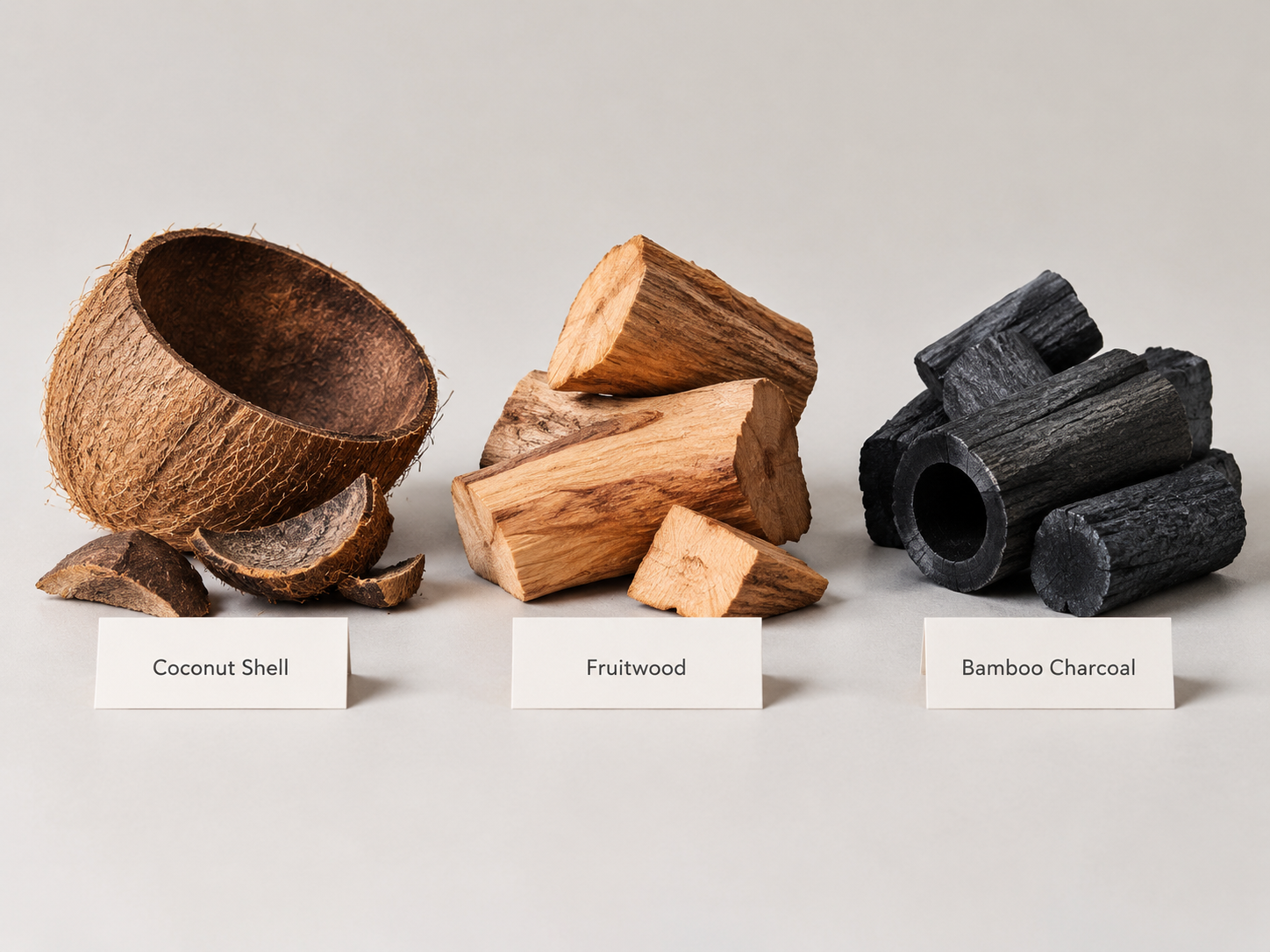
The core sourcing decision for most portfolios comes down to material. Coconut shell remains the premium reference point for many hookah charcoal lines, and it has earned that position. But fruit wood charcoal and bamboo charcoal address different pricing bands, sourcing realities, and product-positioning needs that coconut shell alone cannot cover. This article compares these materials for B2B purchasing decisions. It does not make universal performance claims. Real-world results depend on formulation, binder selection, moisture level, tablet or cube size, ignition coating, packaging, and the quality control discipline of the factory behind the order.
2026 Market Snapshot: What the Available Data Suggests
Several figures circulate in trade research and supplier marketing that buyers should treat carefully. One commonly cited estimate places the coconut shell charcoal market at roughly USD 60.37 million. Before using that number in a board deck, verify the study scope: which geographies are included, what base year applies, and whether the estimate covers hookah charcoal, BBQ charcoal, activated carbon, or a blend of all three. A market figure that lumps industrial activated carbon together with retail shisha charcoal tells you very little about your actual competitive set.
A second signal — roughly 3% market growth reported in charcoal supplier research — points to a maturing, quality-driven market rather than a land-grab expansion. Growth at that pace rewards suppliers who can hold consistency and service existing accounts, not those chasing volume at any cost. It also means demand is unlikely to rise uniformly across every region; some markets are shifting toward premium natural cubes while others remain firmly convenience-led.
You may also encounter a reported 8.1 billion figure tied to custom manufacturing research. Treat it with explicit qualification. Validate the currency, the category definition, and the source methodology before it influences procurement planning or investment decisions. A number without a defined scope is a headline, not a data point.
The practical takeaway is straightforward: in a competitive, slow-growth market, consistency, compliant packaging, reliable supply, and differentiated product formats matter at least as much as raw-material choice. Buyers who win shelf space in 2026 will be the ones who can promise the same performance in the tenth container as in the first sample.
The Material Comparison: Coconut Shell vs. Fruitwood vs. Bamboo
Coconut Shell Charcoal
Coconut shell charcoal is typically positioned for dense briquettes with longer heat retention and lower expected ash. It is the default choice for premium natural hookah charcoal programs, particularly cube formats sold to lounges and specialist retailers where session length and heat stability are the primary purchase drivers. The trade-off is cost and feedstock concentration — supply is tied to coconut-producing regions, and pricing moves with that supply chain.
Fruit Wood Charcoal
Fruit wood charcoal is often valued for accessible feedstock and regional sourcing opportunities. It performs well in fruit wood charcoal cubes, incense bases, and selected hookah formats, and it gives buyers an alternative supply story when coconut shell pricing or lead times become difficult. The catch is process discipline: odor control and batch consistency depend heavily on carbonization temperature and time. Under-carbonized fruitwood carries volatile compounds that show up as off-notes during ignition, which is exactly the complaint that kills a quick-light SKU.
Well-made fruitwood products show what the material can do when the process is controlled. A good example is the 50*50*40mm Block Quick-Burning Charcoal, Fully Burning, Black Fruit Wood AA554-SBQ — a large-format fruit wood block built for BBQ, outdoor cooking, and hookah use, with a 1–3 second ignition window and full burn-through. Its block geometry suits buyers who want a substantial, slow-releasing heat source rather than a small tablet, and it demonstrates that fruitwood can carry a premium-adjacent position when density and carbonization are handled correctly.
Bamboo Charcoal
Bamboo charcoal comes from a fast-renewing feedstock and can support lightweight positioning and a distinctive sustainability narrative. Performance, however, varies materially by bamboo species, carbonization process, and briquette density. A loosely pressed bamboo briquette and a high-density bamboo cube are effectively different products, even if both carry the same material name on the label.
No Automatic Winner
No material is automatically superior. A quick-light tablet optimized for three-second ignition has entirely different requirements — coating adhesion, spark control, low ignition odor — from a natural cube optimized for a sixty-minute session. Comparing them on a single scorecard misses the point. The right question is which material, in which format, serves which buyer segment at which landed cost.
Where Quick-Light Charcoal Fits in the 2026 Product Mix
Quick light charcoal is a product designed for easy ignition, generally through an ignition layer or an additive system built into the briquette. This distinguishes it from natural coconut-shell cubes, which normally require an external heat source such as a burner or stove. The two categories serve different moments: quick-light for the user who wants to be smoking in two minutes, natural cubes for the user who plans a session and accepts the lighting ritual.
Quick light shisha charcoal remains genuinely relevant for convenience-led retail, travel and outdoor use, beginner users who have not yet invested in a burner, and certain incense-burning applications where a self-igniting tablet is simply easier to handle. Dismissing the category as "low quality" ignores a large, persistent consumer base.
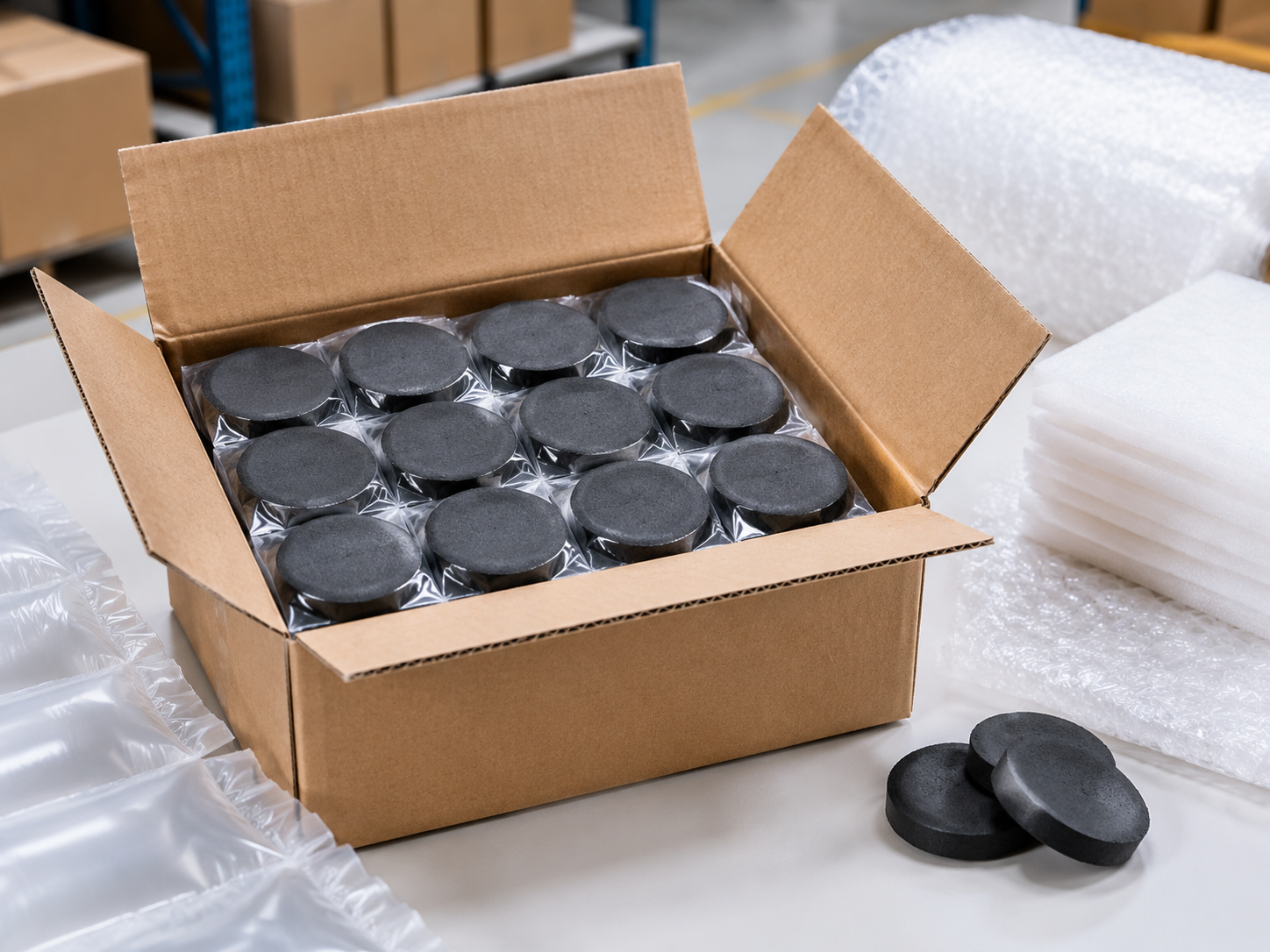
That said, buyer concerns around quick-light formulations are legitimate and should be addressed at the specification stage, not after complaints arrive. The recurring issues are ignition odor, visible sparking, heavy smoke during the lighting phase, residue left on the bowl or burner, storage stability in humid warehouses, and disclosure requirements in destination markets that may regulate labeling of ignition additives. A perforated format can help here: the 50mm perforated quick burning charcoal fruit charcoal is designed for Hookah, Shisha, and aromatherapy burners with a fruit fragrance profile and a perforated body that supports airflow during ignition. Perforation is not a cosmetic detail — it changes how quickly the tablet reaches full glow and how much smoke is produced in the first thirty seconds.
One operational recommendation: separate quick-light SKUs from natural shisha charcoal in catalogs, carton artwork, product pages, and buyer education materials. Mixing them under one vague "hookah charcoal" description creates misleading performance expectations and generates returns when a customer expects a sixty-minute natural cube and receives a fast-burning tablet.
Best-Fit Applications by Raw Material
Coconut Shell
- Premium hookah charcoal lines and dense cube formats
- High-heat, long-duration sessions in lounge environments
- Buyers who want a familiar premium benchmark that retailers already understand
Fruitwood
- Fruit wood quick light hookah charcoal programs targeting convenience retail
- Fruit wood incense charcoal wholesale programs for aromatherapy and ritual use
- Market-specific charcoal tablets formulated for regional lighting habits
- Buyers seeking alternative feedstock stories or regional supply options
Bamboo
- Bamboo cube shisha charcoal supplier programs positioned on differentiation
- Bamboo shisha charcoal wholesale offers for value and mid-tier segments
- Lightweight-format concepts where portability matters
- Sustainability-oriented product ranges with documented sourcing evidence
Incense Charcoal
Incense charcoal deserves separate treatment from hookah charcoal. An incense charcoal manufacturer for aromatherapy programs should prioritize neutral odor, predictable ignition, controlled burn behavior, and low contamination risk over hookah-specific heat claims. The end user is burning resin, bakhoor, or loose incense on the tablet surface — any off-note from the charcoal itself contaminates the aroma experience, which is the entire product. Heat duration matters less than cleanliness and consistency.
Buying Criteria That Matter More Than Marketing Claims
Build a material-agnostic specification checklist and apply it to every sample, regardless of whether the feedstock is coconut, fruitwood, or bamboo. The core parameters are fixed carbon, ash content, volatile matter, moisture, bulk density, compressive strength, ignition time, burn duration, odor, spark behavior, and carton breakage rate. Ask for each in writing, with test methods named.
For hookah charcoal, test the heat curve and ash behavior using the actual target setup: the bowl, the foil or heat-management device, the tobacco or herbal mix, and the session duration the market expects. A tablet that performs well in a laboratory crucible may behave differently under a Kaloud-style setup with a packed bowl.
For incense charcoal, test lighting behavior, surface stability, resin aroma interference, and indoor-use smoke characteristics under real consumer conditions. Burn a sample of the actual resin the customer will use — not a neutral test powder — and evaluate whether the charcoal's own odor interferes.
Require lot-level certificates of analysis, pre-shipment samples, retained samples held against each shipment, and defined acceptance tolerances for every charcoal wholesale order. "Typical values" on a spec sheet are not acceptance criteria. Finally, ask suppliers to document raw-material traceability, binder type, ignition chemistry where applicable, contamination controls, and moisture-management procedures from production through container loading.
How Fruitwood Can Compete Without Being Positioned as Coconut Shell
The fastest way to lose with fruitwood is to claim it is identical to coconut shell charcoal. It is not, and buyers who test will find out. Position fruit wood charcoal for hookah supplier offerings around the right use case instead — convenience formats, incense applications, regional supply advantages, and price bands where coconut shell cannot compete.
Use fruit wood charcoal cubes supplier specifications to lock down density, cube dimensions, ash threshold, breakage limit, and odor acceptance before production begins. These are the variables that determine whether a fruitwood line survives its first reorder.
For fruit wood hookah charcoal OEM projects, develop separate performance targets for natural cubes and quick-light tablets rather than forcing one formula across both categories. A single blend stretched across two formats usually underperforms in both. Where genuine operational strengths exist — sourcing flexibility, custom sizing, private-label packaging, application-specific formulations — lead with those. Avoid unsupported health, "chemical-free," or zero-smoke claims. Buyers increasingly need defensible product information they can hand to retailers and regulators, and vague claims create liability rather than differentiation.
How Bamboo Can Win in a Crowded Shisha Charcoal Category
Position bamboo charcoal as a differentiated material story, not merely a lower-cost substitute for coconut shell. Substitution positioning invites direct performance comparison, and bamboo will not always win that comparison on burn time alone.
For bamboo charcoal cubes for shisha wholesale, validate whether cube density and burn time meet the expectations set by premium coconut-shell products in the same market. If the answer is no, adjust the target segment rather than the claim. Offer bamboo hookah charcoal custom options such as cube size, tablet diameter, logo embossing, inner-box count, master-carton configuration, and retail-ready display packaging — these are areas where a newer material can outmaneuver an entrenched incumbent on commercial terms rather than raw performance.
Build the sustainability narrative around documented sourcing and manufacturing evidence rather than broad environmental claims. A verifiable feedstock renewal cycle and a named carbonization process are defensible; "eco-friendly charcoal" is not. Use pilot orders to compare complaint rates, breakage, lighting performance, and repeat-order results against incumbent coconut-shell SKUs before committing to volume.
Supplier Due Diligence for Importers, Wholesalers, and Private Labels
Selecting a hookah charcoal supplier or shisha charcoal manufacturer requires more than a price list. Work through a structured checklist: factory audit results, production capacity against your forecast, raw-material continuity, export experience, quality management system, in-house test capability, packaging control, and lead-time reliability. A supplier who cannot hold moisture through loading and transit will deliver broken, soft tablets no matter how good the sample was.
For buyers considering a shisha charcoal factory in China, verify export documentation, destination-market labeling requirements, shipping experience, and the factory's ability to control moisture through loading and transit. Humidity damage during a four-week ocean voyage is one of the most common causes of carton-level quality failure.
Ask a quick light hookah charcoal factory to demonstrate ignition consistency across samples from multiple production lots — not only a single approved golden sample. Lot-to-lot variation is the hidden cost in this category. For a hookah charcoal OEM manufacturer or custom hookah charcoal supplier, confirm ownership of artwork, mold and embossing specifications, formula-change approval rules, and confidentiality terms in writing. For a private label hookah charcoal manufacturer, request barcode-ready packaging files, multilingual warnings where needed, carton drop-test standards, and clear minimum-order quantities.
Commercial Strategy: Build a Tiered Charcoal Range Instead of a One-Material Bet
A three-tier portfolio hedges material risk and covers more buyer segments than a single-material commitment. The structure that works for most importers looks like this:
- Premium tier: natural coconut-shell cubes for lounges and specialist retailers
- Differentiated tier: bamboo or fruitwood natural products with a distinct material story
- Convenience tier: quick light charcoal tablets for value-conscious distributors and convenience-focused consumers
Match each line to a buyer segment: premium lounges and specialist retailers, value-conscious distributors, incense and aromatherapy sellers, and convenience-focused shisha consumers. Then calculate landed-cost margins using MOQ, transit cost, cube or tablet count per box, packaging labor, and expected reorder rate — not factory price alone. A cheaper tablet that generates a 4% breakage claim is more expensive than a denser one at a higher unit price.
For bulk hookah charcoal supplier agreements, negotiate quality tolerances, replacement terms for moisture or breakage failures, forecast commitments, and raw-material price-review mechanisms. For shisha charcoal exporter relationships, request region-specific packaging and compliance support so the same core product can be adapted across markets without unnecessary SKU proliferation.
Proof, Testing, and Responsible Claims
Use customer pilots, repeat-order rates, complaint reductions, and documented product tests as social proof instead of relying on generic market claims. A distributor who reorders three times is stronger evidence than any statistic.
Treat smoke-inhalation content as a reminder to communicate safe-use instructions responsibly — not as evidence that any charcoal product is safer or healthier. Include consumer-facing guidance for ventilation, safe lighting, cooling ash disposal, and keeping products away from children and flammable materials where applicable.
Finally, avoid presenting market-size figures or broad supplier-growth statistics as product-performance proof. Market context and validated product data are different things, and conflating them undermines credibility with sophisticated buyers.
Conclusion: The 2026 Decision Framework
Coconut shell is often the premium benchmark. Fruitwood can serve targeted quick-light and incense opportunities, particularly where regional sourcing and cost structure favor it. Bamboo can support differentiated shisha charcoal positioning when cube density and burn performance are validated against the incumbents in your specific market. None of these materials wins universally, and treating any one of them as a default answer is a strategy error.
Select materials by application, required heat profile, ignition method, buyer segment, landed cost, and verifiable supplier controls. Then execute a procurement action plan: request samples from at least two material options, define test criteria before the samples arrive, run a pilot shipment, collect customer feedback at the carton level, and scale only after lot-to-lot consistency is proven. In a market growing at roughly 3%, the advantage belongs to buyers who specify precisely and verify relentlessly — not to those who chase the lowest quoted price per container.
Related Articles
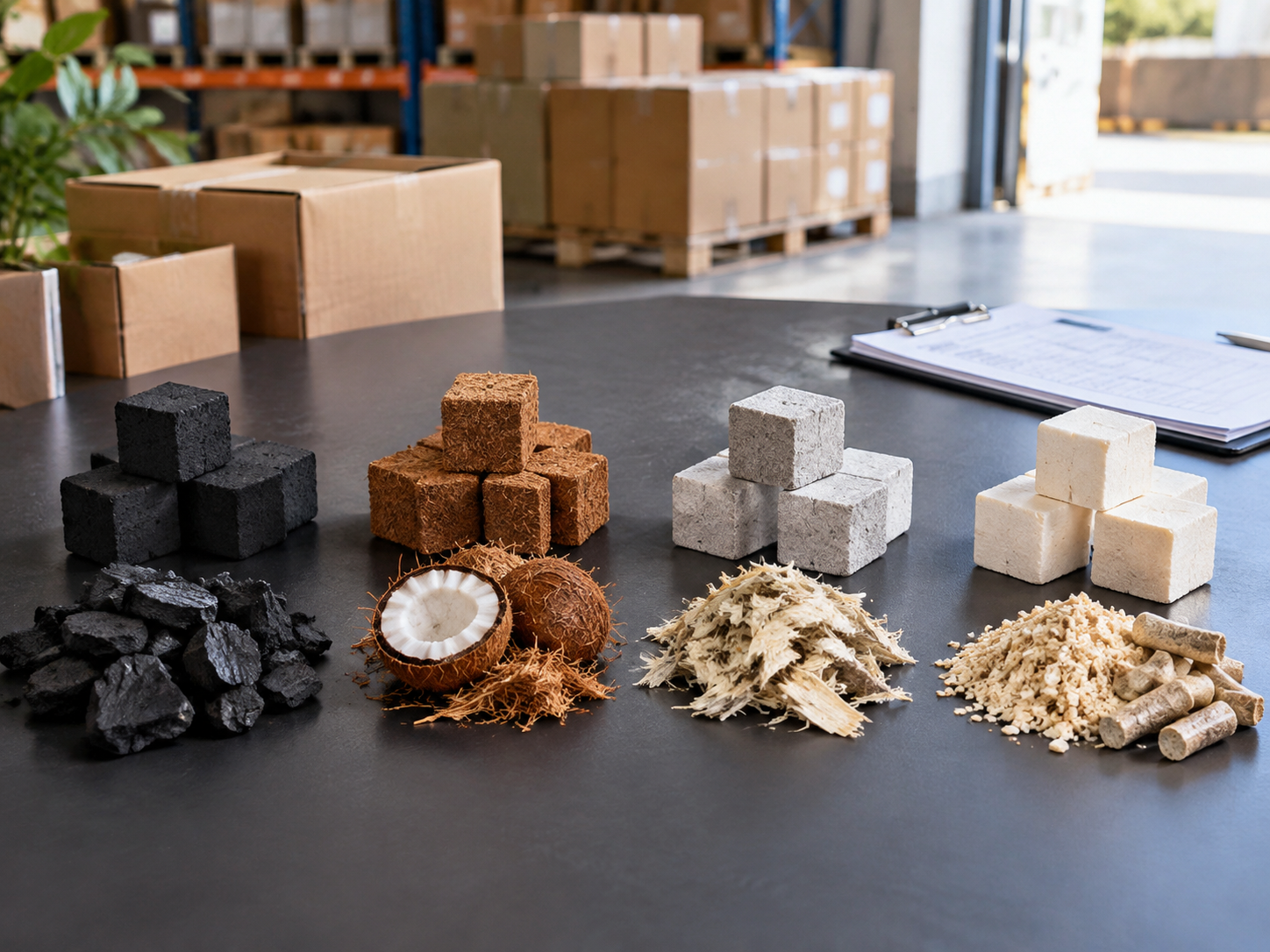
2025 Hookah Charcoal Market Outlook: Why Importers Are Diversifying Beyond Coconut Shell Charcoal
Importers are reassessing hookah charcoal sourcing as supply disruptions, changing logistics costs, product consistency, and demand for variety make single-source strategies riskier. The article outlines a practical approach to comparing coconut shell charcoal with alternatives such as bamboo, fruit wood, and quick-light products, emphasizing documented specifications, supply reliability, compliance, and safe handling.

How to Evaluate Alternatives to Coconut Shell Charcoal: A 7-Step Importer Checklist
Switching charcoal feedstocks can affect heat, ash, odor, breakage, delivery reliability, and brand reputation—not just purchase price. This checklist helps importers define product requirements and compare shisha, quick-light, and alternative charcoal under consistent conditions, while keeping incense charcoal specifications separate.