
Sourcing Shisha Charcoal: A Practical Framework for Importers and Distributors

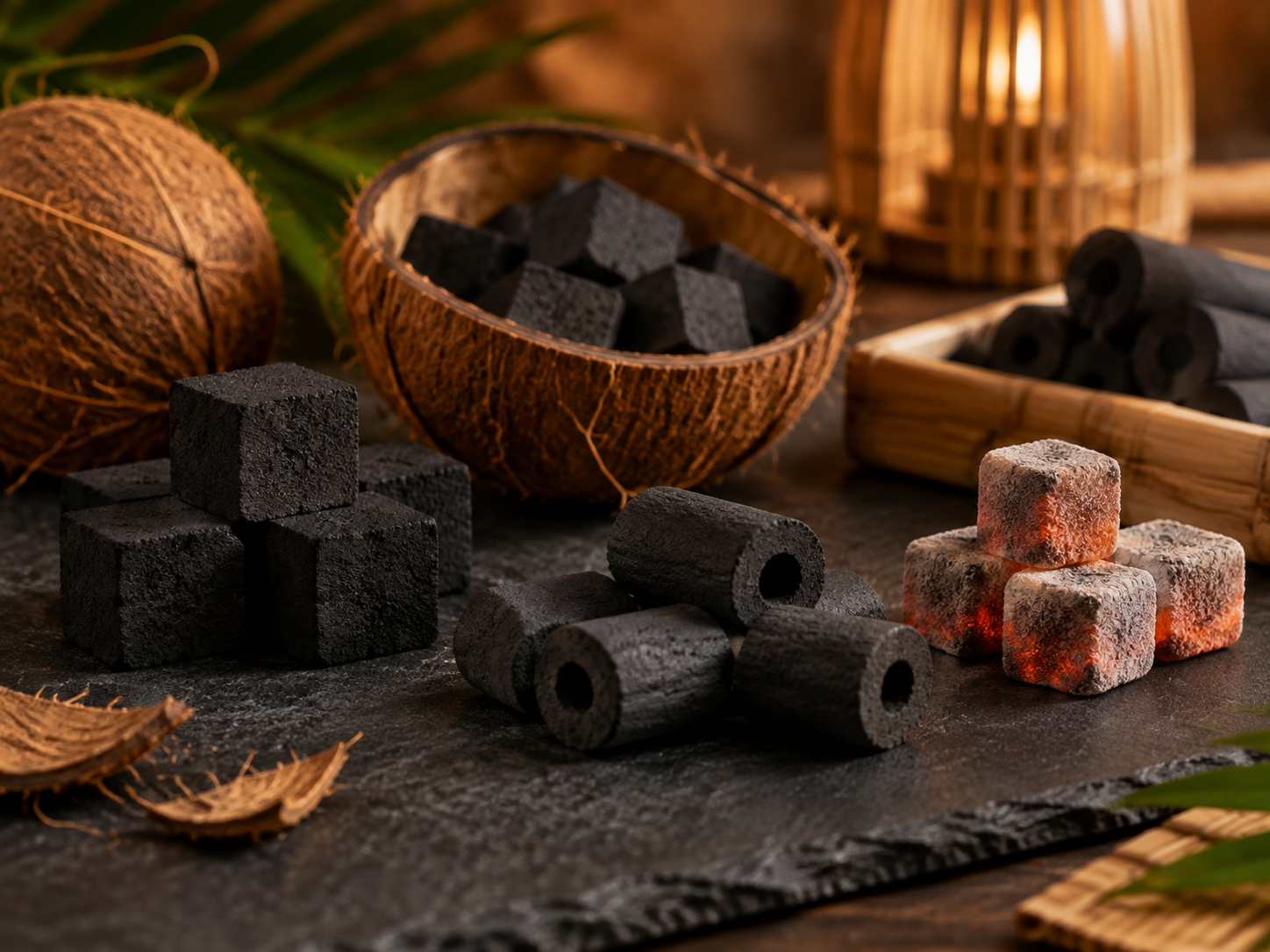
The global shisha charcoal market is projected to reach $60.37 million by 2032, driven by premiumization and growing hookah culture worldwide. This guide breaks down material choices, market trends, and sourcing strategies for building a resilient charcoal portfolio.
Introduction: Navigating the Shisha Charcoal Market
The global shisha charcoal market is on a strong upward trajectory, with projections valuing it at $60.37 million by 2032. This growth is fueled by expanding hookah culture across the Middle East, Europe, North America, and parts of Asia, as well as the rising popularity of aromatherapy and incense burning in wellness-focused households. For importers, distributors, and brand owners, this represents a significant opportunity — but it also comes with real challenges.
Ask any experienced buyer in this space, and they will tell you the same story: inconsistent quality between batches, unreliable suppliers who disappear after the first order, and constant confusion over which material actually performs best. Should you stock coconut shell, fruitwood, or bamboo? Quick light or natural? Cubes, blocks, or discs? These decisions shape your margins, your customer retention, and your brand reputation.
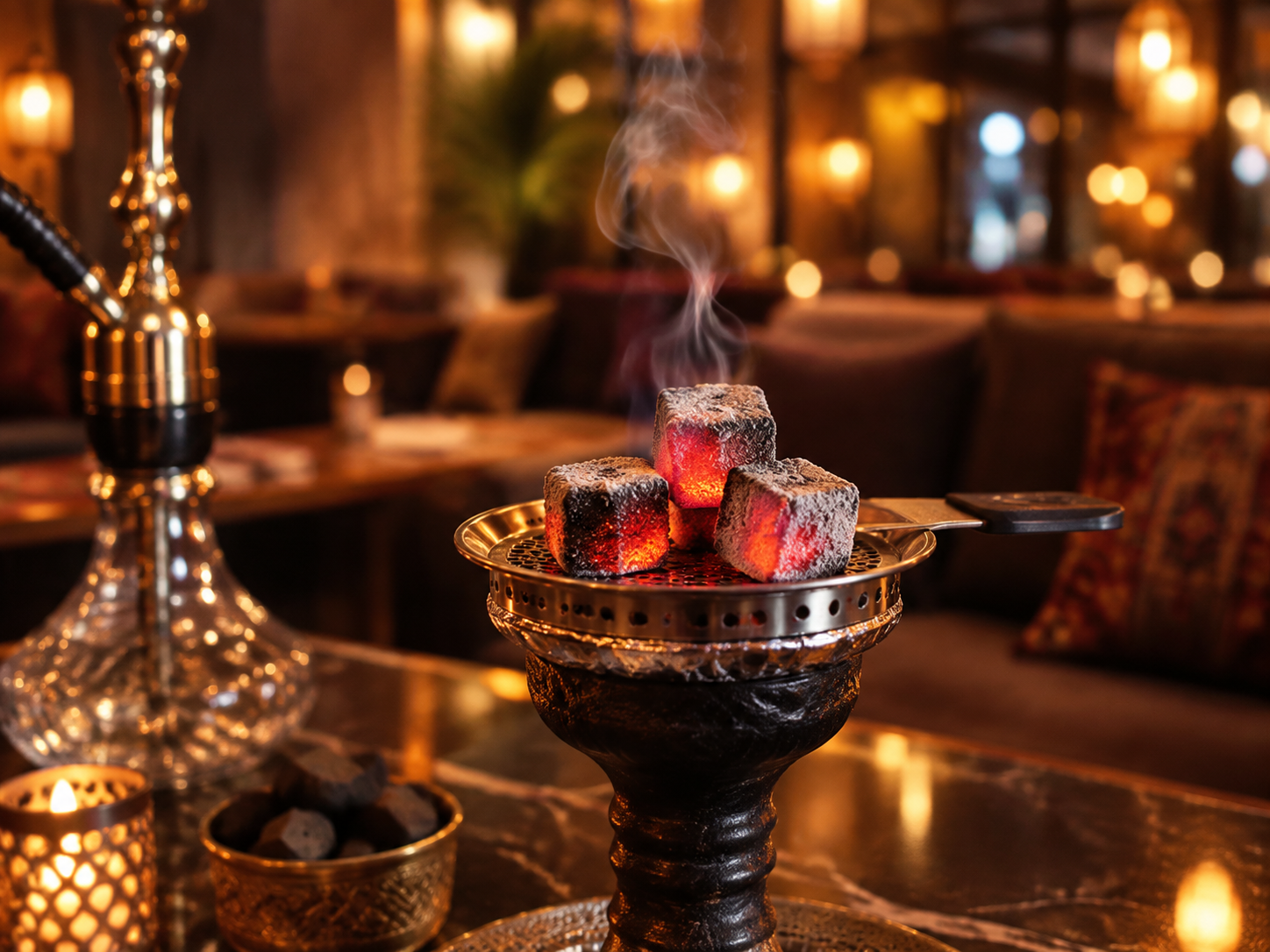
This article lays out a practical sourcing framework for building a resilient, long-term shisha charcoal portfolio. Whether you are sourcing quick light charcoal, premium shisha charcoal, incense charcoal, or bamboo charcoal, the goal is the same: secure reliable supply, control quality, and differentiate in a crowded charcoal wholesale market.
Market Overview: Trends and Opportunities in Shisha Charcoal
The European hookah charcoal market is growing at approximately 7.8% annually, driven by premiumization. Consumers in Germany, the UK, France, and the Netherlands are increasingly willing to pay more for cleaner-burning, longer-lasting products. This is not just a regional trend — similar shifts are visible in North America and parts of Southeast Asia.
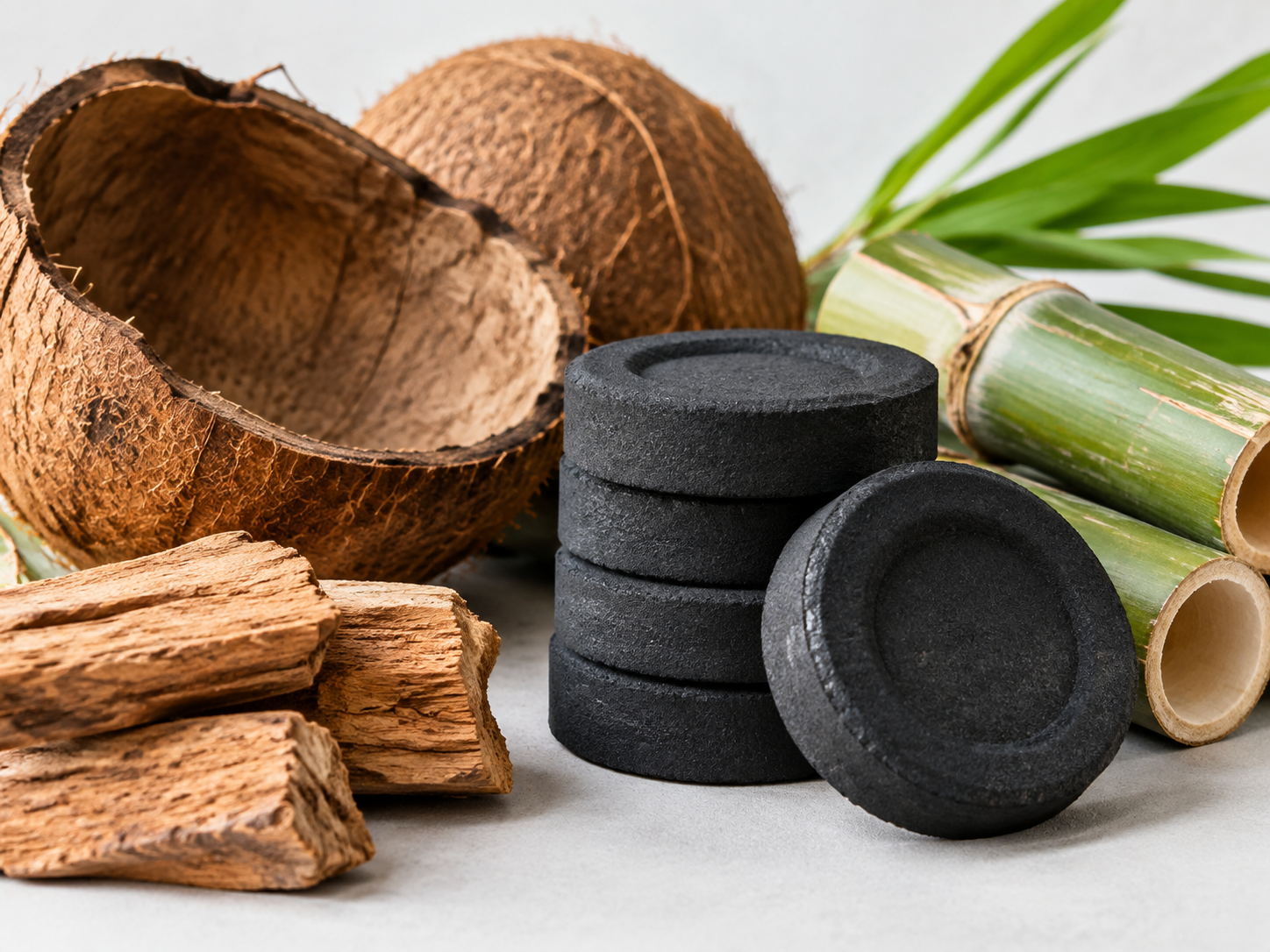
Charcoal as a category accounts for roughly 58% of the overall charcoal industry, with shisha and incense applications representing a dominant share of that demand. Within this space, two clear movements are underway:
- A shift toward natural, chemical-free options. Health-conscious consumers and premium lounge operators are moving away from additive-laden products toward coconut shell and bamboo charcoal.
- Growth in cube-shaped briquettes. Precise moisture content, consistent heat output, and uniform sizing make cubes the preferred format for both hookah and incense applications.
For importers, this means the opportunity is not simply in volume — it is in curating a portfolio that matches regional preferences. A buyer sourcing hookah charcoal for a German lounge chain has very different requirements from one supplying fruit wood charcoal to a Middle Eastern distributor or bamboo charcoal cubes for shisha wholesale to an eco-focused brand in Scandinavia.
Material Deep Dive: Coconut Shell, Fruitwood, and Bamboo
Understanding the raw material is the foundation of any sourcing decision. Each material brings distinct performance characteristics, cost structures, and target audiences.
Coconut Shell Charcoal
Coconut shell charcoal is dense, burns long, and produces very low ash. It is the benchmark for premium natural shisha charcoal, favored by lounges that prioritize session length and clean flavor. Because it is made from an agricultural byproduct, it also carries strong eco-friendly credentials — a growing selling point in European and North American markets.
Fruitwood Quick-Light Charcoal
Fruitwood charcoal offers fast ignition and a subtle natural aroma that many consumers associate with traditional hookah and incense experiences. Quick-light fruitwood formats are especially popular for on-the-go use and in markets where convenience outweighs longer burn times.
A strong example in this category is the 50*50*40mm Block Quick-Burning Charcoal, Fully Burning, Black Fruit Wood AA554-SBQ. This large fruit wood charcoal block is designed for BBQ, outdoor cooking, and hookah use, with a 1–3 second ignition time that makes it exceptionally convenient for high-turnover environments. Its fully burning formulation and consistent block shape make it a reliable choice for buyers who need fast lighting without sacrificing output.
For hookah, shisha, and aromatherapy burners specifically, the 50mm perforated quick burning charcoal fruit charcoal is another compelling option. The perforated design improves airflow and ignition speed, while the fruit fragrance profile adds a subtle aromatic dimension that appeals to both hookah users and incense buyers.
Bamboo Cubes
Bamboo charcoal is sustainable, odorless, and produces a very consistent cube shape. It has gained traction rapidly as a bamboo cube shisha charcoal supplier category, particularly among brands targeting environmentally conscious consumers. Bamboo grows quickly, making it one of the most renewable raw materials available for charcoal production.
Attribute Comparison
- Burn time: Coconut shell > bamboo > fruitwood quick-light
- Heat output: Coconut shell and bamboo offer steady, high heat; fruitwood quick-light peaks fast
- Ash content: Coconut shell lowest; bamboo low; fruitwood moderate
- Ignition ease: Fruitwood quick-light fastest; bamboo and coconut require more time
- Cost: Varies by region and processing; bamboo and coconut often offer better long-term value at scale
For importers working with a fruit wood quick light hookah charcoal manufacturer, it is worth requesting samples across multiple formats — blocks, perforated discs, and cubes — to evaluate how each performs in your target market.
Quick-Light vs. Natural Charcoal: Pros, Cons, and Applications
The quick-light versus natural debate is one of the most common decision points for importers, and the honest answer is that both have a place in a well-constructed portfolio.
Quick-Light Charcoal
Quick-light charcoal ignites in seconds, requires no external burner, and is ideal for on-the-go hookah use, casual consumers, and markets where convenience is paramount. The trade-off is that some quick-light products contain additives that can affect flavor and emit odors during ignition. Quality varies enormously between manufacturers — which is why vetting your quick light shisha charcoal exporter carefully matters.
Natural Charcoal
Natural charcoal — coconut shell, bamboo, and non-additive fruitwood — burns cleaner, produces no chemical aftertaste, and is preferred by health-conscious consumers and premium lounges. It requires a burner or external heat source but rewards users with longer sessions and more consistent heat.
The Strategic Trade-Off
Rather than choosing one over the other, successful importers stock both. Quick-light serves the convenience segment and impulse buyers; natural serves the premium and wellness segments. Working with a hookah charcoal OEM manufacturer or private label hookah charcoal manufacturer allows you to offer both under your own brand, capturing margin at every price point.
Sourcing Framework: Building a Long-Term Shisha Charcoal Portfolio
Here is a five-step framework that importers can apply to build a durable, profitable portfolio.
Step 1: Assess Market Demand
Identify your target regions and their preferences. Europe leans heavily toward natural coconut shell. The Middle East has strong demand for quick-light and fruitwood. North America is increasingly eco-conscious, favoring bamboo and coconut. Map your buyers before you map your suppliers.
Step 2: Supplier Vetting
Evaluate potential hookah charcoal suppliers and factories against clear criteria: ISO and FDA certifications, production capacity, quality control processes, and track record with export markets. Request factory audits and third-party test reports. A reliable hookah charcoal factory should be able to demonstrate consistency across multiple production runs, not just provide a single good sample.
Step 3: Material Diversification
Do not rely on a single material. Balancing coconut shell, fruitwood, and bamboo across your portfolio mitigates supply risk, hedges against raw material price volatility, and lets you serve multiple customer segments from one supplier relationship.
Step 4: Private Label and OEM
Leverage a custom hookah charcoal supplier to build your own brand. Private label and OEM arrangements let you differentiate on packaging, cube size, burn time, and branding — all of which command higher margins than commodity resale.
Step 5: Logistics and Wholesale
Negotiate charcoal wholesale agreements that account for container optimization, lead times, and seasonal demand spikes. A dependable bulk hookah charcoal supplier will work with you on forecasting and inventory planning, not just fill one-off orders.
Quality Assurance and Compliance for Importers
Quality control is where many importers get burned — sometimes literally. Establish clear specifications and verify them before every shipment.
- Moisture content: Inconsistent moisture leads to uneven ignition and smoke output
- Ash content: Lower ash means cleaner sessions and better customer satisfaction
- Burn time: Test across multiple samples, not just the top of the batch
- Heat consistency: Critical for premium lounges and repeat customers
Look for certifications including ISO 9001, FDA, CE, and credible eco-friendly labels. Understand the import regulations in your target markets — customs documentation, labeling requirements, and safety standards vary significantly between the EU, US, and Gulf states.
Third-party inspections and pre-shipment sample testing are non-negotiable for serious importers. A reputable shisha charcoal exporter or B2B hookah charcoal supplier will welcome this level of scrutiny — it protects both parties. When evaluating a hookah charcoal manufacturer for importers, ask directly about their inspection protocols and whether they support independent lab verification.
Case Studies and ROI: Success Stories from Importers
Real-world results illustrate what a disciplined sourcing strategy can achieve.
Example 1: European Importer — 20% Margin Improvement
A European importer shifted its core SKU from a mixed-material quick-light product to premium coconut shell shisha charcoal. By repositioning at a higher price point and reducing customer complaints about ash and odor, the company increased profit margin by 20% within 18 months.
Example 2: Middle Eastern Distributor — Market Share Growth
A regional distributor launched a private label quick-light hookah charcoal line, sourced through a dedicated quick light hookah charcoal factory. Brand recognition and consistent quality helped the distributor expand market share across multiple retail channels.
Example 3: Aromatherapy Brand — 7.8% Annual Growth
An aromatherapy brand sourced fruit wood incense charcoal wholesale from a specialized incense charcoal manufacturer for aromatherapy, aligning product quality with its wellness positioning. The brand achieved steady 7.8% annual growth, mirroring broader European market trends.
These outcomes connect directly to the underlying market data: a $60.37 million market size, 58% charcoal market share for shisha and incense applications, and 7.8% growth in Europe. Importers who align their sourcing with these trends — whether through a fruit wood charcoal for hookah supplier or a bamboo shisha charcoal wholesale partner — are positioned to capture disproportionate value.
Future Outlook: Emerging Trends and Innovations
The shisha charcoal market is evolving quickly. Several trends will shape sourcing decisions over the next five years.
- Sustainability takes center stage. Bamboo and coconut shell will continue gaining share as environmental regulations tighten and consumer expectations shift.
- Production technology improves. Advances in carbonization and binding are delivering more consistent quality and reduced emissions — a major selling point for premium markets.
- Custom and private label demand grows. Emerging markets in Southeast Asia, Latin America, and Eastern Europe are actively seeking bamboo hookah charcoal custom and fruit wood hookah charcoal OEM arrangements.
- Challenges remain. Raw material sourcing, environmental regulations, and price volatility will require importers to maintain flexible supplier relationships and diversified portfolios.
China remains a major production hub, and working with a well-established shisha charcoal factory in China can offer significant advantages in scale, cost, and export experience — provided you vet carefully and verify quality at every stage.
Conclusion: Strategic Recommendations for Importers
Building a long-term shisha charcoal portfolio is not about finding the single cheapest supplier. It is about constructing a resilient sourcing strategy that balances quality, cost, and supply security across multiple materials and formats.
- Diversify your sourcing. Balance coconut shell, fruitwood, and bamboo to serve multiple segments and hedge against supply disruption.
- Partner for the long term. Build relationships with reliable shisha charcoal manufacturers and hookah charcoal factories that can support multi-year contracts and consistent quality.
- Invest in private label and OEM. Branded products command higher margins and build customer loyalty that commodity resale cannot match.
- Stay informed. Track consumer preferences and regulatory changes in your target markets, and adjust your portfolio accordingly.
Whether you are sourcing from a quick light hookah charcoal factory, a fruit wood charcoal cubes supplier, or a bulk hookah charcoal supplier, the principles remain the same: verify quality, diversify risk, and build partnerships that outlast individual transactions. Importers who approach sourcing as a strategic discipline — rather than a series of one-off purchases — will be the ones capturing the growth in this expanding global market.
Related Articles

How to Evaluate Alternatives to Coconut Shell Charcoal: A 7-Step Importer Checklist
Switching charcoal feedstocks can affect heat, ash, odor, breakage, delivery reliability, and brand reputation—not just purchase price. This checklist helps importers define product requirements and compare shisha, quick-light, and alternative charcoal under consistent conditions, while keeping incense charcoal specifications separate.
How to Source Hookah Charcoal Without Letting a Low Quote Become a Costly Mistake
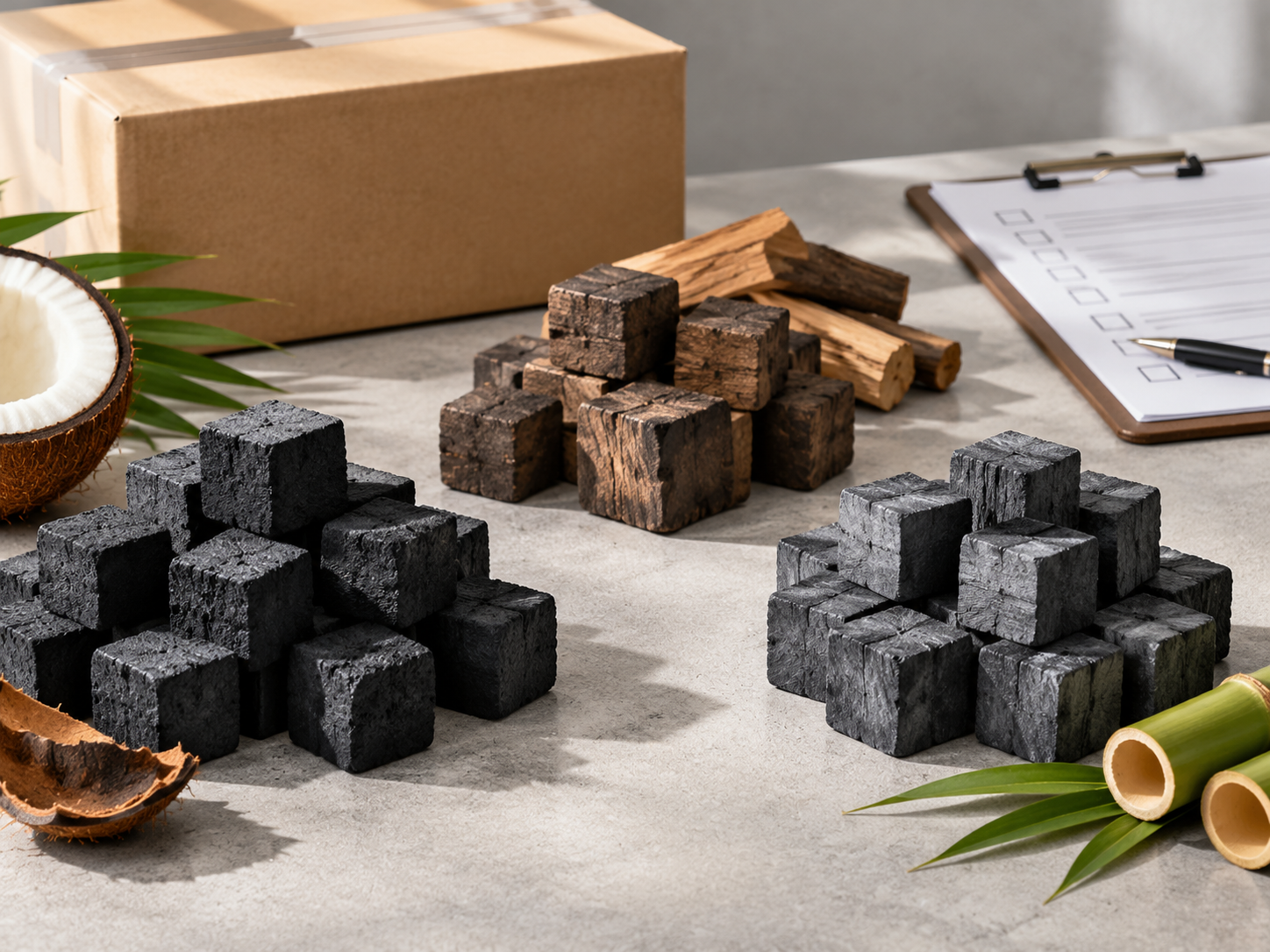
This 2026 procurement guide compares coconut shell, fruitwood quick-light, and bamboo cube charcoal, showing how product performance and intended use affect sourcing decisions. It also highlights the risks of judging suppliers by unit price alone and the need to evaluate ignition, odor, ash, heat, and product consistency.