
Coconut Shell vs. Fruitwood Quick Light Charcoal: A Wholesale Buyer’s Guide

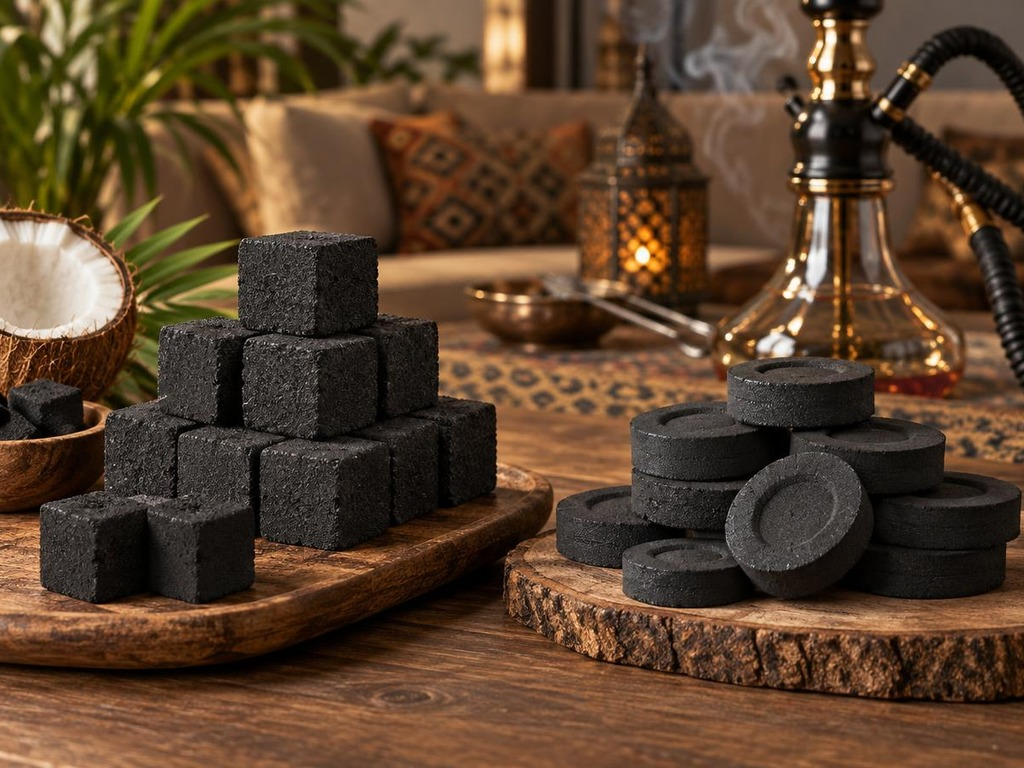
Compare coconut shell and fruitwood quick light charcoal across performance, pricing, market fit, handling, and supplier reliability. Learn why sample testing and consistent quality matter more than the lowest quote when choosing products for your catalog.
Introduction: Wholesale Buyers Need More Than the Lowest Charcoal Quote
Every hookah charcoal buyer eventually faces the same fork in the road. On one side sits coconut shell shisha charcoal — dense, slow-burning, and prized for clean, steady heat across long sessions. On the other sits fruitwood-based quick light charcoal — fast to ignite, convenient for consumers, and easy to move through convenience-driven retail channels. Both products sell. Both have loyal customers. The challenge is knowing which one belongs in your catalog, at what price, and backed by which supplier.
The risks of getting this wrong are real and expensive. Inconsistent burn performance triggers customer complaints. Odor and excess smoke damage reviews and brand reputation. Breakage in transit eats margins before the product ever reaches a shelf. And the operational cost of processing returns, issuing refunds, and rebuilding retailer trust often dwarfs whatever was saved on the original quote.
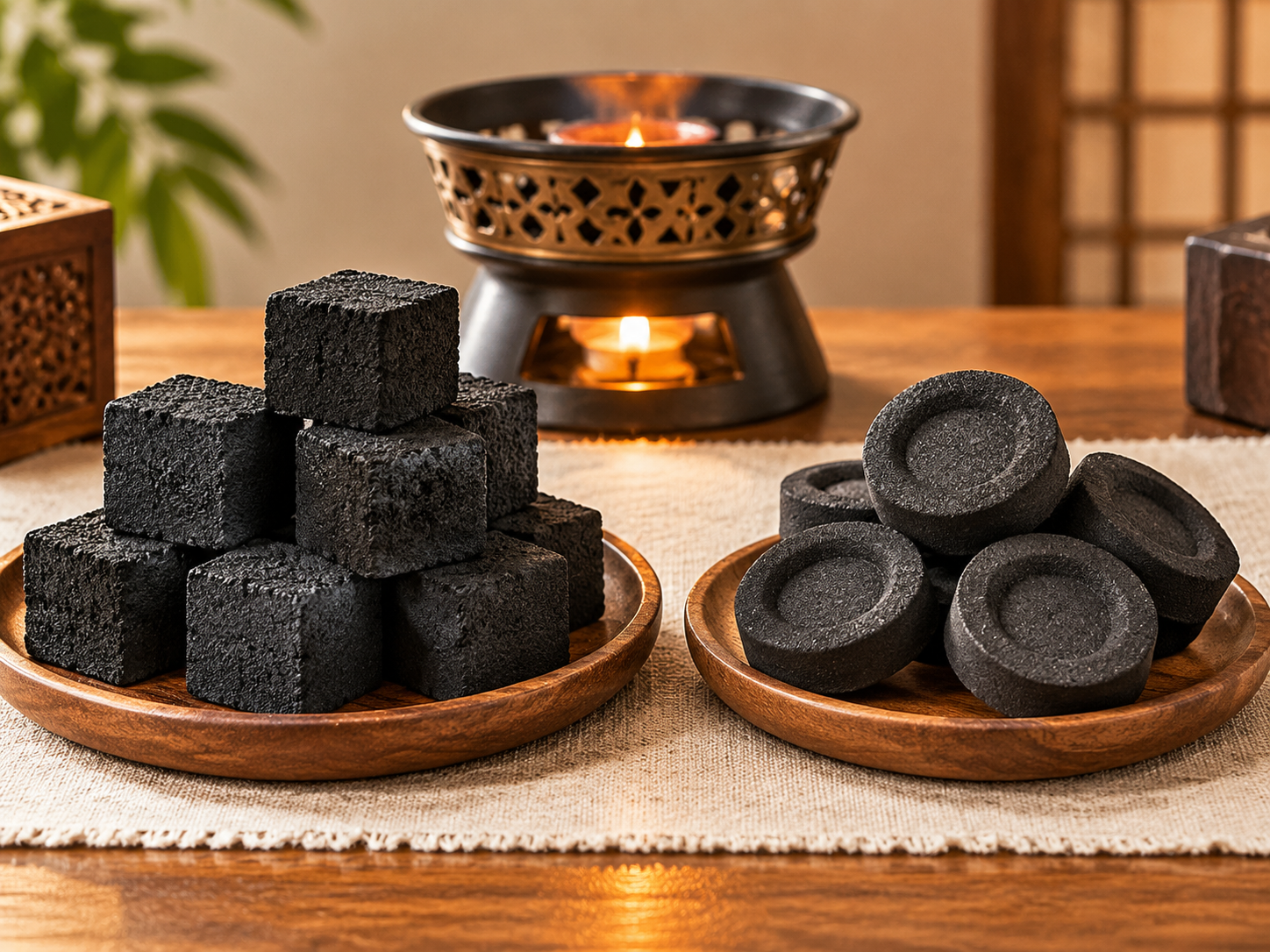
Industry guidance on smoke and chemical-fume exposure adds another layer of responsibility. Retailers and end users need clear ignition and ventilation instructions, because how a charcoal is lit — and how completely it burns — directly affects the user experience and safety profile. Ignition chemistry, odor control, and handling guidance are not marketing details; they are product requirements.
This is the market reality that shisha industry expert Allen Li has pointed to repeatedly: the cheapest hookah charcoal quote can quietly become the most expensive sourcing decision a buyer ever makes. When quality failures ripple into returns, chargebacks, and lost repeat orders, the savings disappear. What remains is a damaged channel and a supplier who cannot fix it.
This article compares coconut shell charcoal and fruitwood quick light charcoal across the dimensions that actually decide profitability: product performance, buyer economics, target market fit, compliance needs, and supplier capability. By the end, you should be able to choose — or deliberately carry both — with a clear rationale rather than a guess.
At-a-Glance Comparison: Coconut Shell vs. Fruitwood Quick Light Charcoal
The table below summarizes how the two categories typically differ. Treat it as a starting framework, not a substitute for sample testing, because formulation quality varies widely between suppliers.
- Raw material: Coconut shell charcoal uses carbonized coconut shell; fruitwood quick light charcoal uses fruit wood charcoal as its carbon base, often combined with an ignition agent.
- Ignition method: Coconut shell charcoal requires an electric, gas, or stove burner; quick light charcoal ignites from a standard flame such as a lighter or match.
- Lighting time: Quick light charcoal is designed for fast ignition; natural coconut charcoal needs several minutes on a burner until fully glowing.
- Burn duration: Coconut shell charcoal generally burns longer per piece; quick light discs typically burn shorter but are often used in smaller bowls or for incense.
- Heat stability: Natural coconut coals are commonly preferred by experienced users for steadier bowl temperature when properly lit; quick light performance depends heavily on formulation.
- Ash level: Coconut shell charcoal usually produces manageable, light ash; quick light ash behavior varies by binder and filler quality.
- Odor: Well-made coconut charcoal is valued for low odor after full ignition; quick light charcoal must be fully ignited to avoid off-smells during lighting.
- Packaging requirements: Coconut cubes need moisture barriers and crush-resistant cartons; quick light discs need protection against friction, humidity, and premature ignition residue.
- Shipping considerations: Both are heavy, dense cargo; quick light products may face additional documentation and labeling requirements depending on ignition formulation and destination regulations.
- Typical customer segment: Coconut shell charcoal suits premium shisha lounges and natural-coal enthusiasts; quick light charcoal suits convenience buyers, occasional users, and incense customers.
Position coconut shell charcoal as the natural-charcoal option favored for long hookah sessions and premium shisha lounges. Position fruit wood quick light hookah charcoal as an ignition-accelerated option built for consumers who want immediate use without owning a burner.
One important clarification: quick light charcoal is not automatically lower quality. Quality depends on controlled formulation, consistent production, safe packaging, and reliable burn testing. A well-manufactured quick light disc from a disciplined quick light hookah charcoal factory can outperform a poorly made natural coal on consistency and user satisfaction.
The practical verdict: neither product wins universally. The right choice depends on your sales channel, local consumer habits, and whether you are building a private-label position around premium performance or everyday convenience.
What Is Coconut Shell Shisha Charcoal?
Coconut shell charcoal is typically made from carbonized coconut shells that are ground, blended, and formed into cubes, flats, hexagons, or custom shapes before being carbonized again and finished. The result is a dense, uniform product with predictable burn characteristics.
Wholesale buyers commonly evaluate coconut shell shisha charcoal on several attributes: dense structure, longer burn time, stable heat output, low visible smoke after full ignition, lower odor, and manageable ash. These are the qualities that make it a staple in premium hookah charcoal assortments.
Common product formats include 22 mm, 25 mm, 26 mm, and 27 mm cubes, plus flats designed for smaller hookah bowls. Cube size affects burn duration, bowl fit, and how the coal is packed and priced per carton, so buyers should match format to their end market rather than defaulting to one size.
Coconut shell charcoal is frequently selected for premium hookah charcoal lines, lounge distribution, and customers who already use natural coals with an electric or gas burner. These buyers tend to be repeat purchasers who care about consistency, which makes them valuable long-term accounts for a reliable shisha charcoal manufacturer.
Category momentum supports the investment case. The Coconut Shell Charcoal Market Size, Growth and Forecast 2032 report is a useful reference for validating demand trends, though buyers should verify the latest figures directly before citing them in internal planning documents.
What Is Fruitwood Quick-Lighting Charcoal?
Quick light charcoal is charcoal formulated to ignite rapidly, usually with an ignition agent incorporated during production, and commonly sold in discs, tablets, or blocks for hookah and incense applications. The defining feature is speed: a flame is enough to start it.
Fruit wood charcoal serves as the carbon source in many of these products. However, formulation quality — not the fruitwood label alone — determines odor, ignition consistency, ash behavior, and burn stability. Two products can both claim fruit wood charcoal and perform completely differently.
The core convenience benefit is straightforward: users can light the charcoal with a standard flame instead of waiting for natural charcoal to fully heat on a burner. That matters for outdoor use, travel, casual gatherings, and markets where burners are uncommon.
It is important to differentiate fruit wood quick light hookah charcoal from natural fruit wood charcoal for hookah, which may not contain quick-lighting additives and behaves much more like a traditional natural coal. Confusing the two in marketing or specification sheets creates mismatched expectations and complaints.
Incense charcoal use cases deserve separate attention. Smaller quick-light discs are widely used for burning resin, bakhoor, and aromatherapy materials, where controlled heat and appropriate disc size matter more than session length. A product like the 50mm perforated quick burning charcoal fruit charcoal — a 50 mm perforated quick-light hookah charcoal designed for hookah, shisha, and aromatherapy burners with a fruit fragrance profile — illustrates how one format can serve both hookah and incense channels when the size and heat output are matched to the application.
Performance Comparison That Matters to Hookah Charcoal Buyers
Ignition Speed
Quick light charcoal wins clearly on convenience. A flame ignites the disc in a short time, and the user can move straight to the bowl. Coconut shell charcoal generally requires a dedicated heat source and more preparation time, typically several minutes on a burner until the coal is fully glowing.
Session Length
Coconut shell charcoal usually wins where buyers need extended, stable heat for longer shisha sessions. Denser cubes hold heat longer, which reduces coal changes mid-session and improves the customer experience in lounge settings.
Heat Management
Natural coconut coals are commonly preferred by experienced users because they can support steadier bowl temperature when properly lit. Quick light charcoal can perform well, but heat output depends on consistent formulation and complete ignition, so buyers should test batch-to-batch reliability rather than assume it.
Odor and Taste Neutrality
Low-odor performance is critical, especially for premium shisha tobacco customers and indoor lounges where any off-smell is immediately noticeable. Coconut charcoal is generally valued for neutrality after full ignition. Quick light products must be fully ignited before use, because incomplete ignition can produce unacceptable odors and a wave of user complaints.
Ash and Cleanup
Buyers should request ash-content data and real-use photos or samples rather than relying on broad "low ash" claims. Ash volume, color, and texture affect cleanup effort, bowl maintenance, and perceived product quality — all of which influence repeat purchases.
Safety and Usability
Quick light charcoal must be fully ignited before use and used in ventilated areas. This is not a minor footnote; it is a labeling and instruction requirement that protects both end users and your brand. Suppliers should provide clear warnings and usage guidance in the languages of your target markets.
Incense Performance
Smaller quick-light discs can be useful for incense charcoal, but heat output should be matched to the resin or aromatherapy application. Too much heat scorches delicate materials; too little prevents proper smoldering. This is where a dedicated incense charcoal manufacturer for aromatherapy adds real value, because disc diameter and burn temperature can be tuned to the use case.
Cost Comparison: Evaluate Landed Cost, Not Just Factory Price
Charcoal wholesale decisions should never be made on unit cost alone. The honest comparison includes unit cost, carton yield, breakage rate, claim rate, shipping classification, packaging cost, and repeat-order potential. A product that costs 15% less per kilogram but generates 8% breakage and a steady stream of odor complaints is not cheaper — it is more expensive in slow motion.
Coconut shell charcoal may carry a higher initial product cost, but it can support premium retail pricing when heat duration, low odor, and packaging presentation meet expectations. Buyers who position it correctly often find that gross margin per retail carton is stronger than the factory price suggests.
Fruitwood quick light charcoal can be commercially attractive in convenience-led markets, where fast ignition and low unit price drive volume. However, poor ignition chemistry can lead to odor complaints, negative reviews, and brand damage that outlasts any short-term margin gain.
Industry insight from Allen Li suggests that quality failures can materially affect performance or cost outcomes, with figures sometimes cited around 30%. Use such numbers only with exact source verification and clear context — do not present them as universal. The principle matters more than the precise percentage: quality failures compound across returns, reviews, and lost reorders.
A practical ROI framework for comparing the two categories should calculate:
- Gross margin per retail carton, not per kilogram.
- Return and claim rate by batch and by channel.
- Customer-review risk and its effect on marketplace ranking.
- Inventory turn and how quickly stock moves at your price point.
- Reorder frequency and average order value per account.
Run this framework on samples from each candidate supplier before committing to a container. The numbers will usually make the decision obvious.
Which Charcoal Fits Each Sales Channel?
Hookah Lounges and Premium Shisha Bars
Recommend coconut shell shisha charcoal when customers value long sessions, heat consistency, and a natural-charcoal experience. Lounges typically have burners on site and staff who can manage natural coals properly, which removes the main drawback of this format.
Tobacco Shops and Convenience-Oriented Retailers
Consider quick light charcoal for shoppers who lack burners or need portable, immediate ignition. These customers prioritize speed and simplicity, and a well-made quick light disc delivers both.
Incense and Spiritual-Goods Retailers
Prioritize appropriately sized, stable-burning incense charcoal discs, with clear instructions for safe ventilation and handling. Disc diameter, burn temperature, and packaging that protects against moisture are the key specifications to confirm.
E-Commerce Sellers
Assess breakage resistance, protective inner packaging, clear warnings, and the likelihood of customer complaints related to lighting and odor. Online reviews amplify quality problems, so packaging strength and instruction clarity deserve as much attention as product performance.
Importers and Distributors
Carry a two-tier assortment: natural coconut shell hookah charcoal for premium users and quick light charcoal for convenience-led demand. This hedges against channel shifts and lets you serve multiple customer profiles from one container program.
How to Qualify a Hookah Charcoal Supplier Before Ordering in Bulk
Supplier qualification is where most sourcing failures are prevented. Work through the following checklist before placing any bulk order.
- Ask whether the supplier is a direct shisha charcoal manufacturer, a trading company, or a hookah charcoal exporter, and verify factory capabilities rather than accepting a claim.
- Request product specifications covering raw material, cube or disc dimensions, moisture, ash, fixed carbon, volatile matter, burn time, drop resistance, and ignition time where relevant.
- For quick light charcoal, request full information on ignition formulation, odor-control measures, safety documentation, labeling requirements, and batch consistency procedures.
- Require pre-shipment inspection standards for broken pieces, moisture damage, carton crushing, and weight accuracy.
- Ask for market-specific packaging options, including multilingual warnings, barcode labels, retail display cartons, and inner foil or moisture barriers.
- Evaluate whether the supplier can support charcoal wholesale volumes, mixed-container orders, export documentation, and consistent lead times.
- For importers seeking differentiated products, assess hookah charcoal OEM manufacturer and custom hookah charcoal supplier capabilities, including shape, size, packaging, and private-label design.
A supplier that cannot answer these questions with documentation is a supplier that will eventually cost you money. A qualified B2B hookah charcoal supplier will treat these requests as routine.
Quality-Control Checklist for Coconut, Bamboo, and Fruitwood Charcoal
Buyers should not treat bamboo charcoal, coconut charcoal, and fruit wood charcoal as interchangeable. Each raw material and formulation requires its own burn-performance validation, because density, carbon content, and binder systems differ.
For coconut and bamboo cube shisha charcoal, test cube uniformity, ignition behavior on a burner, total burn duration, heat retention, ash color, smell after full ignition, and breakage after transport simulation. Bamboo charcoal cubes for shisha wholesale can be a strong alternative natural option, but only after density and burn time are verified against your market's expectations.
For fruit wood quick light hookah charcoal, test ignition time, spark behavior, smell during lighting, complete-lighting consistency, burn stability, and suitability for the intended hookah or incense use. A product like the 50*50*40mm Block Quick-Burning Charcoal, Fully Burning, Black Fruit Wood AA554-SBQ — a large fruit wood charcoal block for BBQ, outdoor cooking, and hookah use with 1–3 second ignition — shows how format and ignition speed can be engineered for specific applications, but each batch still needs verification.
Request retained samples from approved batches so future shipments can be compared against the original production standard. This single practice prevents most drift-related disputes.
For first orders, private-label launches, and high-volume charcoal wholesale contracts, independent pre-shipment inspection is worth the cost. It converts quality from a promise into a documented fact.
Private Label and OEM Opportunities for Wholesale Buyers
A private label hookah charcoal manufacturer can help importers build a differentiated product line rather than compete solely on price. When your brand owns the packaging, the specification, and the customer relationship, you are no longer interchangeable with every other reseller in the market.
Customization options typically include coconut cube size, bamboo charcoal cube shape, quick-light disc diameter, burn duration target, carton count, inner wrap, logo printing, and display-ready retail packaging. Each of these variables can be tuned to your channel and price point.
A fruit wood hookah charcoal OEM program should include sample approval for both product performance and packaging compliance. Performance approval without packaging approval — or the reverse — leaves half the risk unaddressed.
The value of a strong B2B hookah charcoal supplier lies in operational reliability: artwork confirmation, batch tracking, export cartons, and repeat-order consistency. These are unglamorous capabilities that determine whether your third order looks like your first.
Start with a pilot order and a market test before committing to a full container of custom hookah charcoal. Real sell-through data from one region is worth more than any specification sheet.
Decision Framework: Which Product Should You Buy?
- Choose coconut shell charcoal when your customers prioritize long burn time, stable heat, low odor after full ignition, premium hookah sessions, and natural-charcoal positioning.
- Choose fruitwood quick light charcoal when your customers prioritize easy lighting, portability, occasional use, or incense applications where a small charcoal disc is preferred.
- Choose bamboo charcoal cubes for shisha wholesale when you want to test an alternative natural-charcoal option, but validate density, burn time, and ash performance before scaling.
- Build a mixed portfolio when serving multiple segments: premium natural hookah charcoal, quick light charcoal for convenience buyers, and dedicated incense charcoal for aromatherapy retailers.
- Make the final sourcing decision only after comparing approved samples, factory quality systems, landed cost, packaging strength, and expected reorder economics.
If you are sourcing from a shisha charcoal factory in China, confirm that the factory can produce both natural and quick-light formats under one quality system. That capability simplifies your supply chain and gives you room to expand your assortment without onboarding a new vendor.
Conclusion: The Best Wholesale Charcoal Is the One That Matches Your Market
Coconut shell charcoal generally wins on premium session performance: longer burn, steadier heat, and cleaner odor after full ignition. Fruitwood quick light charcoal wins on ignition convenience: fast lighting, portability, and accessibility for customers without burners. Neither is universally superior, and any supplier claiming otherwise is selling a narrative rather than a product.
Avoid choosing solely by quote. Evaluate reliable quality, safe product design, logistics strength, and brand fit. The suppliers who survive long-term in this category are the ones who can document their specifications, control their formulation, and deliver the same product batch after batch.
For importers ready to move forward, the next step is practical: request comparative samples, technical specifications, and OEM packaging options from a qualified hookah charcoal factory before placing a bulk order. Test both categories against your actual channel, calculate landed cost and reorder economics, and let the data decide. That is how you turn a charcoal purchase from a price gamble into a durable product line.
Related Articles
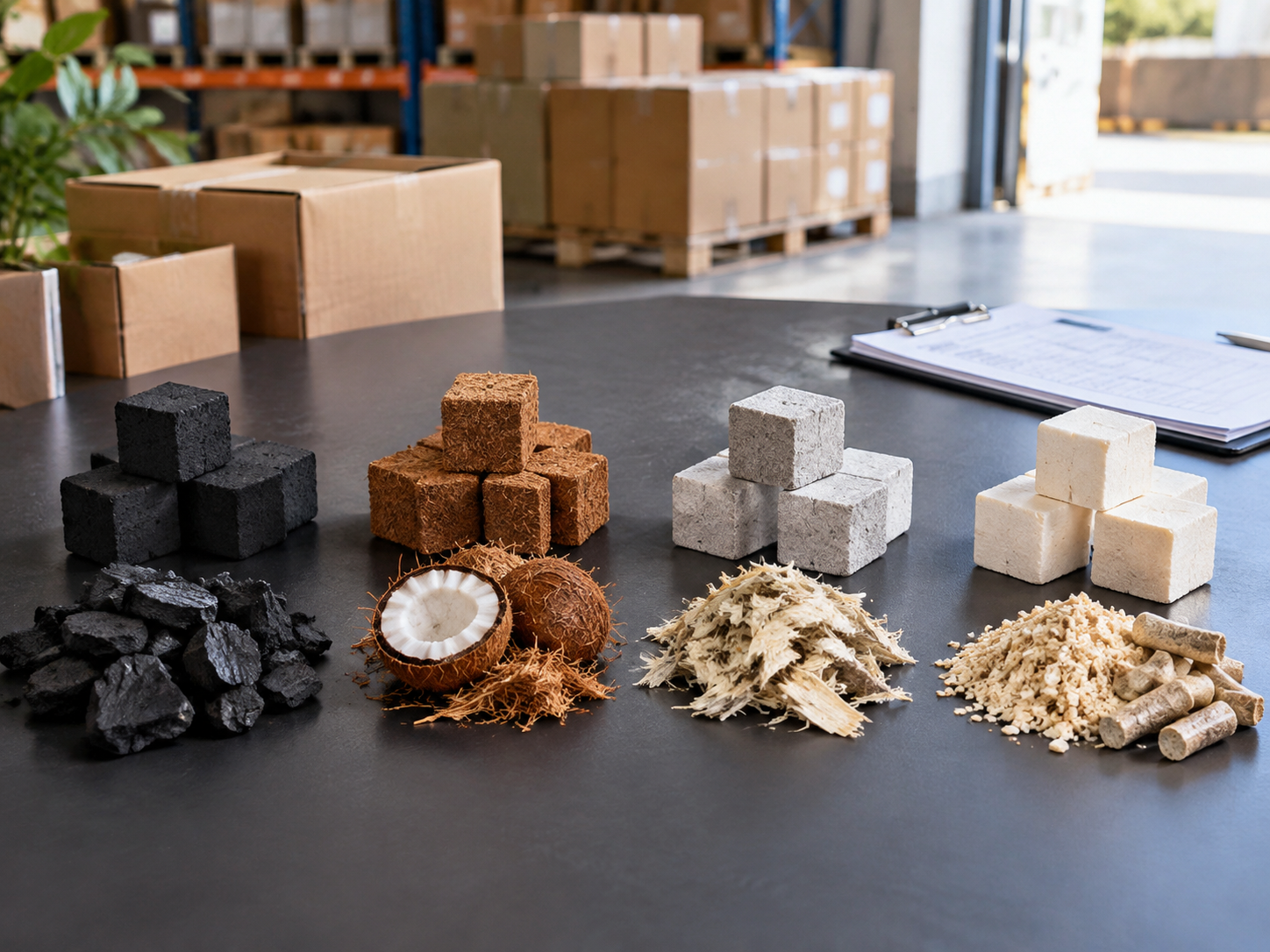
2025 Hookah Charcoal Market Outlook: Why Importers Are Diversifying Beyond Coconut Shell Charcoal
Importers are reassessing hookah charcoal sourcing as supply disruptions, changing logistics costs, product consistency, and demand for variety make single-source strategies riskier. The article outlines a practical approach to comparing coconut shell charcoal with alternatives such as bamboo, fruit wood, and quick-light products, emphasizing documented specifications, supply reliability, compliance, and safe handling.

How to Evaluate Alternatives to Coconut Shell Charcoal: A 7-Step Importer Checklist
Switching charcoal feedstocks can affect heat, ash, odor, breakage, delivery reliability, and brand reputation—not just purchase price. This checklist helps importers define product requirements and compare shisha, quick-light, and alternative charcoal under consistent conditions, while keeping incense charcoal specifications separate.