
Quick-Light vs. Coconut Charcoal: What Really Defines Quality?

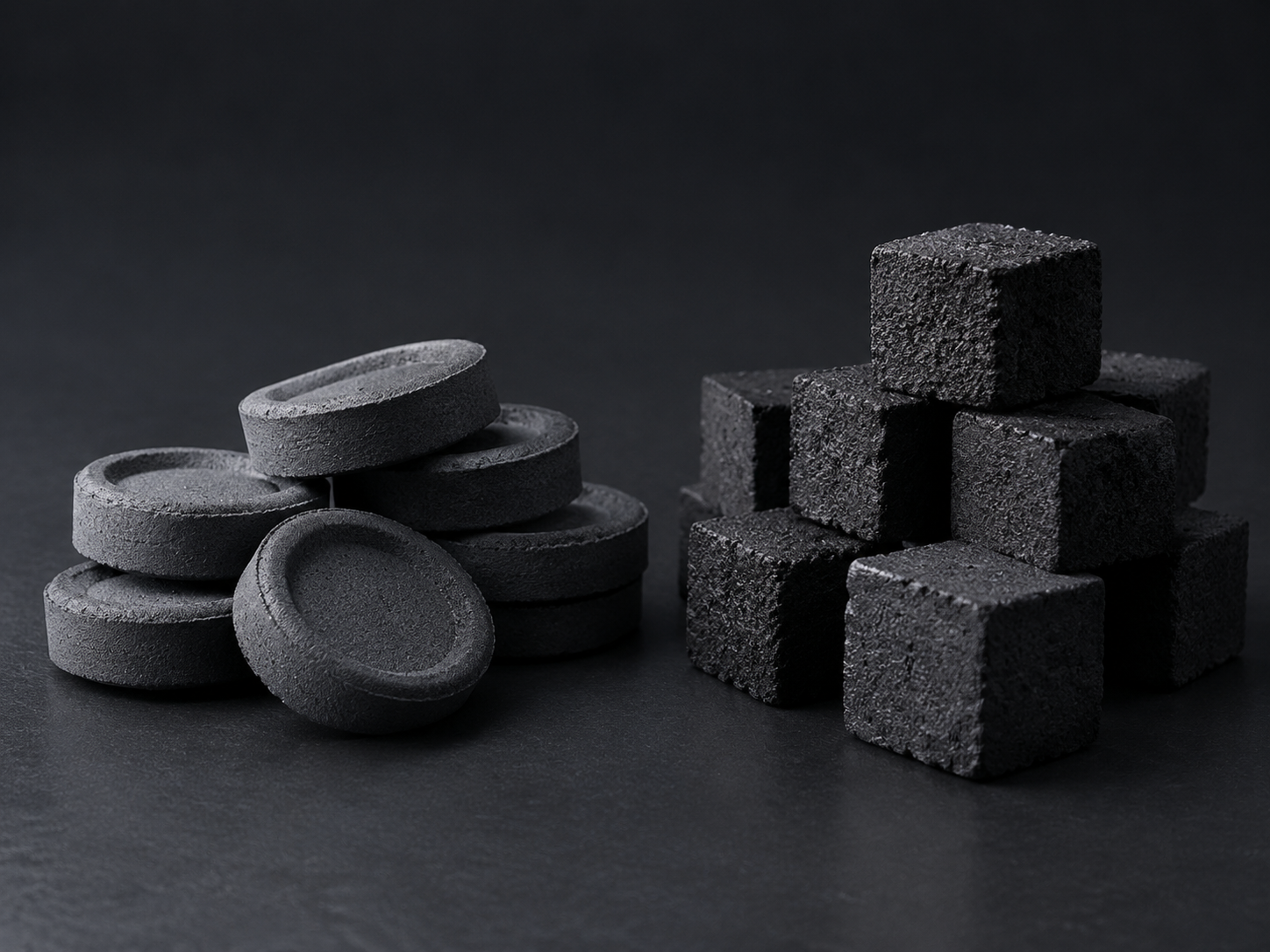
Quick-light charcoal is not inherently inferior to coconut shell charcoal; poor performance usually points to weak formulation, production, or quality control. Buyers should assess each product against its intended use, including ignition time, burn performance, odor, and customer needs.
Introduction: Why Buyers Need a More Practical Way to Judge Charcoal Quality
In the global hookah and incense trade, one assumption shows up again and again in sourcing conversations: quick light charcoal is inherently inferior to coconut shell shisha charcoal. Many importers repeat it, many distributors act on it, and many retail buyers treat it as settled fact. But is it actually true?
The concerns behind that assumption are real. Buyers have been burned before by quick-light products that gave off a chemical odor, threw sparks during ignition, produced heavy initial smoke, burned unevenly, or crumbled in transit. Customer safety complaints and inconsistent performance are legitimate reasons to be cautious. However, the problem is rarely the quick-light format itself. The problem is usually the product behind it.
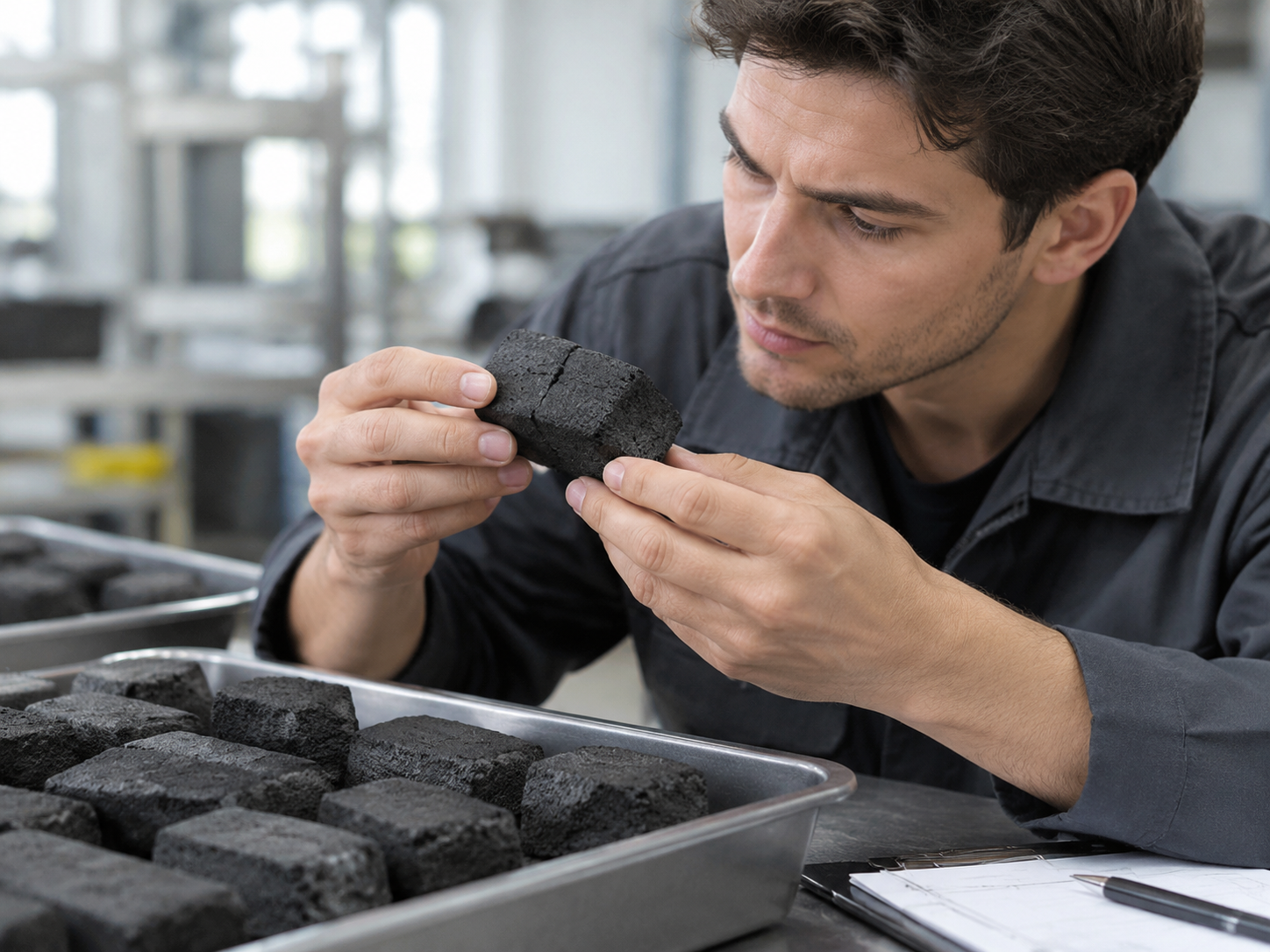
The better question is not simply "quick-light or coconut?" but "Is this product engineered, tested, and matched to its intended application?" Material type and ignition method influence performance, but neither one alone defines quality. A poorly made coconut cube can be just as disappointing as a poorly made quick-light tablet, and a well-engineered quick-light product can outperform a low-grade natural briquette in the right use case.
Buyers serving hookah, incense, aromatherapy, and retail markets need product-specific quality standards rather than one-size-fits-all assumptions. This article breaks down where the myth comes from, what actually determines quality, and how to build a portfolio that serves different customers well.
The Myth Explained: Why Quick-Light Charcoal Has a Poor Reputation
Quick light hookah charcoal contains an ignition aid designed to make lighting faster and easier than natural charcoal. That single formulation choice is the root of most of the skepticism. When the ignition aid is poorly selected or overdosed, users notice immediately: excessive odor, sparks, high initial smoke, uneven burning, fast burnout, and fragile tablets that break before they ever reach a bowl.
What buyers often miss is that these failures usually stem from poor formulations, uncontrolled raw materials, weak pressing, inadequate drying, or limited quality control—not from the quick-light format itself. A manufacturer that rushes carbonization, skimps on binder quality, or skips moisture control will produce a bad product regardless of whether it is labeled quick-light or natural.
There is also a market dynamic at work. Inexperienced users may select charcoal based only on low unit price, then associate a poor experience with all quick-light products. That conclusion gets repeated until it becomes an industry assumption. Meanwhile, well-made quick-light products from serious factories quietly perform well in the markets that need them.
One point deserves emphasis: smoke and combustion exposure should always be taken seriously. Charcoal products must be used only in well-ventilated settings and according to applicable safety guidance and local regulations. Quality sourcing reduces nuisance odor and sparking, but it does not remove the need for responsible use.
Quick-Light vs. Coconut Shell Charcoal: They Are Built for Different Jobs
The most useful way to compare quick light charcoal and coconut shell charcoal is by intended use, not by prestige. They solve different problems.
- Ignition time: Quick-light tablets typically ignite in seconds with a lighter, while natural coconut cubes require a burner or stove and several minutes of preparation.
- Heat duration: Dense coconut shell hookah charcoal is generally favored for longer shisha sessions because well-manufactured briquettes can provide stable heat and lower ash over an extended period.
- Odor profile: Premium natural charcoal is valued for a neutral profile once fully lit; quick-light products depend heavily on the quality of their ignition formulation.
- Ash behavior: Coconut cubes tend to hold shape and produce manageable ash; quick-light tablets vary widely depending on binder and compression quality.
- Convenience: Quick-light tablets are often preferred for portability, ease of lighting, travel kits, incense rituals, and consumers who do not want to use a burner.
It is also important to recognize that high-performance incense charcoal and quick-light shisha charcoal can require different burn curves, tablet dimensions, and ignition characteristics than cube charcoal. A 50mm perforated quick burning charcoal fruit charcoal, for example, is engineered for hookah, shisha, and aromatherapy burners where fast, even ignition matters more than a two-hour burn. A large-format block such as the 50*50*40mm Block Quick-Burning Charcoal, Fully Burning, Black Fruit Wood AA554-SBQ serves a different job entirely—BBQ, outdoor cooking, and hookah use—with a 1–3 second ignition window and a fully burning profile that suits buyers who want speed without sacrificing completeness of burn.
Bamboo charcoal and fruit wood charcoal are additional material options with their own strengths, rather than inferior substitutes. Coconut shell is not the only premium choice, and treating it as such limits the product range a buyer can offer.
What Actually Determines Charcoal Quality
If material type is not the sole answer, what is? Quality comes down to a set of controllable manufacturing variables. Buyers who evaluate these consistently make better sourcing decisions.
Raw-material quality
Coconut shell, bamboo charcoal, fruit wood charcoal, and other carbon sources should be assessed for purity, carbonization consistency, and contamination risk. Mixed or poorly sorted feedstock produces unpredictable odor and burn behavior.
Carbonization process
Controlled carbonization affects odor, fixed carbon, ignition behavior, and heat stability. Under-carbonized material smokes and smells; over-carbonized or unevenly processed material burns inconsistently.
Binder and ignition formulation
For quick light charcoal, the formula determines whether the product lights reliably without excessive odor, smoke, sparking, or residue. This is where reputable factories separate themselves from price-driven competitors.
Density and compression
Stronger, uniformly pressed tablets, cubes, or fingers are less likely to crumble during export and retail handling. Breakage is one of the most common hidden costs in charcoal wholesale.
Moisture control
Excessive moisture can cause difficult ignition, cracking, mold risk, and inconsistent heat output. Moisture targets should be specified and verified, not assumed.
Ash content and ash color
Low, manageable ash is valuable, but buyers should evaluate it alongside burn duration and heat consistency. Light ash alone does not guarantee a good session.
Size consistency
Diameter, thickness, cube dimensions, and weight tolerances directly affect customer experience and packing efficiency. Variation between boxes is a red flag.
Packaging quality
Moisture barriers, inner wrapping, carton strength, and clear safety instructions are essential for charcoal wholesale and international shipping. Packaging is part of the product, not an afterthought.
When Quick-Light Charcoal Can Be the Better Product Choice
There are clear commercial situations where quick-light products are the smarter choice—not a compromise.
- Incense retailers: quick-light incense charcoal offers a simple, accessible way for customers to burn resins, herbs, and aromatherapy materials without a separate burner setup.
- Convenience-focused hookah markets: quick-light hookah charcoal suits users who prioritize fast setup over the longest possible session duration.
- Travel, gifting, and beginner kits: easy-light tablets reduce the need for lighters, stoves, or separate charcoal burners, which makes them ideal for on-the-go and first-time users.
- Private-label assortments: offering both natural shisha charcoal and quick-light products allows brands to serve distinct customer preferences and price points from a single supplier relationship.
- Specialized formats: fruit wood quick light hookah charcoal manufacturer capabilities can support differentiated products for buyers seeking unique material stories or ignition profiles.
Products like the 50mm perforated quick burning charcoal fruit charcoal illustrate how format can be tailored to application. The perforated design supports airflow and even ignition, while the fruit charcoal base gives brands a distinct raw-material narrative for hookah, shisha, and aromatherapy burner customers.
When Coconut Shell Charcoal Is the Stronger Option
The reverse is equally true. Coconut shell charcoal has genuine advantages in specific segments.
- Premium lounge and enthusiast markets: coconut shell charcoal is often selected for long, stable heating cycles and a more natural-charcoal positioning.
- Cube-focused shisha users: uniform cubes can provide predictable heat management when matched with the right bowl and foil or heat-management device.
- Long burn time requirements: dense coconut cubes may offer a better fit than fast-light tablets for extended sessions.
- Sustainability-driven sourcing: coconut shell feedstock can be positioned as an agricultural byproduct, provided sourcing claims are documented and not overstated.
Market momentum supports this interest. Industry forecasts cited in sourcing briefs place the coconut shell charcoal market at approximately USD 60.37 million, reflecting continuing buyer demand in the category. That figure is a signal of interest, not a reason to dismiss other materials—but it does confirm that coconut shell remains a core part of a balanced portfolio.
A Buyer's Quality-Control Checklist for Quick-Light and Natural Charcoal
Whatever the material, the evaluation process should be consistent and documented. Use this checklist before committing to volume.
- Request samples from every hookah charcoal supplier before committing to a full container or recurring charcoal wholesale order.
- Test ignition time, initial odor, spark behavior, smoke level, burn duration, heat consistency, and ash volume under real-use conditions.
- For shisha charcoal, test several units from different boxes to check dimensional consistency, cracking, and performance variation.
- For incense charcoal, test whether tablets remain stable, ignite predictably, and provide a neutral enough base for resins and aromatherapy materials.
- Ask for production specifications covering raw material, size, weight, moisture target, ash target, packing configuration, and shelf-life recommendations.
- Verify compliance documents, shipment test reports, safety labeling, and packaging requirements for the intended destination market.
- Inspect loading plans and export packaging, especially for fragile bamboo charcoal cubes for shisha wholesale or fruit wood charcoal cubes supplier orders.
A sample that performs well in a single test is not enough. Consistency across boxes, batches, and production runs is what protects your brand in the market.
Questions to Ask a Shisha Charcoal Manufacturer Before You Buy
The right questions separate a reliable partner from a transactional vendor. Ask these before placing an order.
- What raw material is used: coconut shell, bamboo, fruit wood, mixed biomass, or another source?
- Is the product designed as natural charcoal, quick-light charcoal, incense charcoal, or a dual-purpose format?
- What ignition agent and binder system is used in quick-light products, and what controls are in place for odor and sparking?
- What are the standard burn-time, ash, moisture, and breakage specifications?
- Can the manufacturer provide third-party testing or batch-level quality records?
- Does the hookah charcoal factory support OEM formulas, custom sizes, branded packaging, and destination-market labeling?
- Can the supplier provide reliable export experience, such as a quick light shisha charcoal exporter or shisha charcoal exporter with documented shipping procedures?
- What minimum order quantities, lead times, sample policies, and container-loading options are available?
Answers to these questions reveal whether a supplier operates with real process control or simply repackages whatever is available. For importers, that distinction often matters more than the material printed on the box.
How Importers Can Build a Balanced Product Portfolio
Rather than betting on a single material, successful importers build a range that covers multiple customer needs.
- Offer natural coconut shell charcoal for long-session, premium shisha consumers.
- Add quick-light hookah charcoal for convenience-led retail channels, starter kits, and markets with limited access to charcoal burners.
- Include an incense charcoal manufacturer for aromatherapy product lines where reliable lighting and clean handling matter more than long shisha-session performance.
- Consider bamboo shisha charcoal wholesale programs for buyers seeking alternative raw materials and cube formats.
- Use fruit wood charcoal for hookah supplier partnerships where customers value a distinct raw-material story or customized formats.
- Work with a custom hookah charcoal supplier or hookah charcoal OEM manufacturer to create differentiated packaging, tablet sizes, cube dimensions, and private-label product lines.
Large-format products also have a place in this mix. The 50*50*40mm Block Quick-Burning Charcoal, Fully Burning, Black Fruit Wood AA554-SBQ is a good example of a format that crosses categories—equally suited to BBQ, outdoor cooking, and hookah use, with fast ignition and a complete burn that appeals to buyers who want versatility in a single SKU.
What the Market Signals Say About Buyer Priorities
The charcoal market is evolving around consistency, sourcing transparency, lower breakage, dependable logistics, and product customization—not just material preference. Buyers increasingly evaluate suppliers on documentation, batch reliability, and ability to customize rather than on a single headline claim.
Industry insight cited in the brief notes that buyer criteria and supplier performance can influence purchasing outcomes by approximately 3%, which reinforces the commercial value of reliable quality systems and service. In a competitive category, small performance advantages compound across repeat orders.
The USD 8.1 billion figure provided in the manufacturing research context is an indicator of the broader commercial opportunity around custom manufacturing for hookah, BBQ, and incense categories. Buyers should verify the underlying market definition before using that number in sales collateral, but the direction is clear: demand for tailored, well-manufactured charcoal products continues to grow.
The practical takeaway is that product-market fit is a better commercial strategy than claiming one charcoal type is universally superior.
Conclusion: The Right Standard Is Fit-for-Purpose Quality, Not a Material Stereotype
Quick-light charcoal is not automatically low quality, just as coconut shell charcoal is not automatically premium. Both statements are stereotypes that ignore the variables that actually matter.
The decision framework is straightforward: evaluate raw material, formulation, manufacturing controls, burn performance, safety, packaging, and the end user's application. A quick-light tablet engineered for fast ignition and stable burn can serve convenience markets extremely well. A dense coconut cube can anchor a premium lounge lineup. Bamboo and fruit wood formats can open additional segments entirely.
Importers, distributors, and retailers should compare samples using documented acceptance criteria before placing bulk orders. Test ignition, odor, sparking, burn duration, ash, and dimensional consistency. Verify specifications and compliance documents. Then decide based on evidence, not assumption.
For B2B buyers ready to move beyond the myth, the next step is partnering with a hookah charcoal manufacturer for importers that can supply natural, quick-light, bamboo, fruit wood, OEM, and private-label formats based on your target market. A supplier that can match product to application—rather than pushing a single material—is the partner that will help you win shelf space and keep customers coming back.
Related Articles
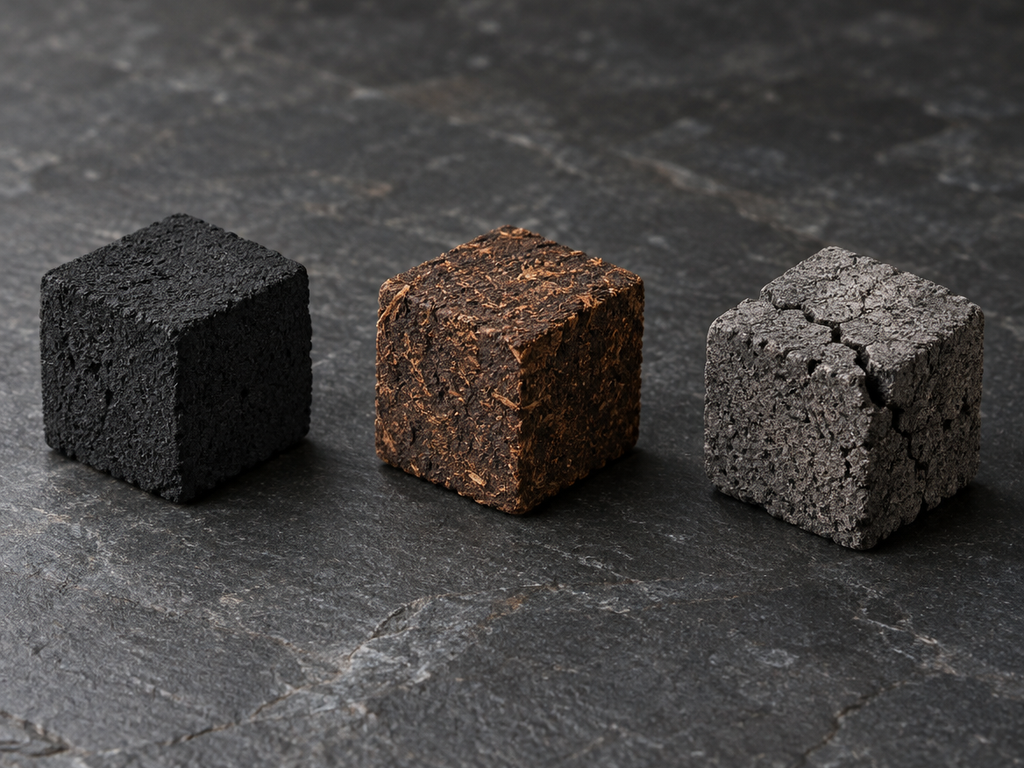
Myth Busted: Is Coconut Shell Charcoal Always the Cleanest and Longest-Lasting?
Coconut shell charcoal can perform well, but its feedstock alone does not guarantee low odor, low ash, or a long burn. Buyers should compare product-specific test results and batch consistency, while using charcoal with proper ventilation and following safety instructions.
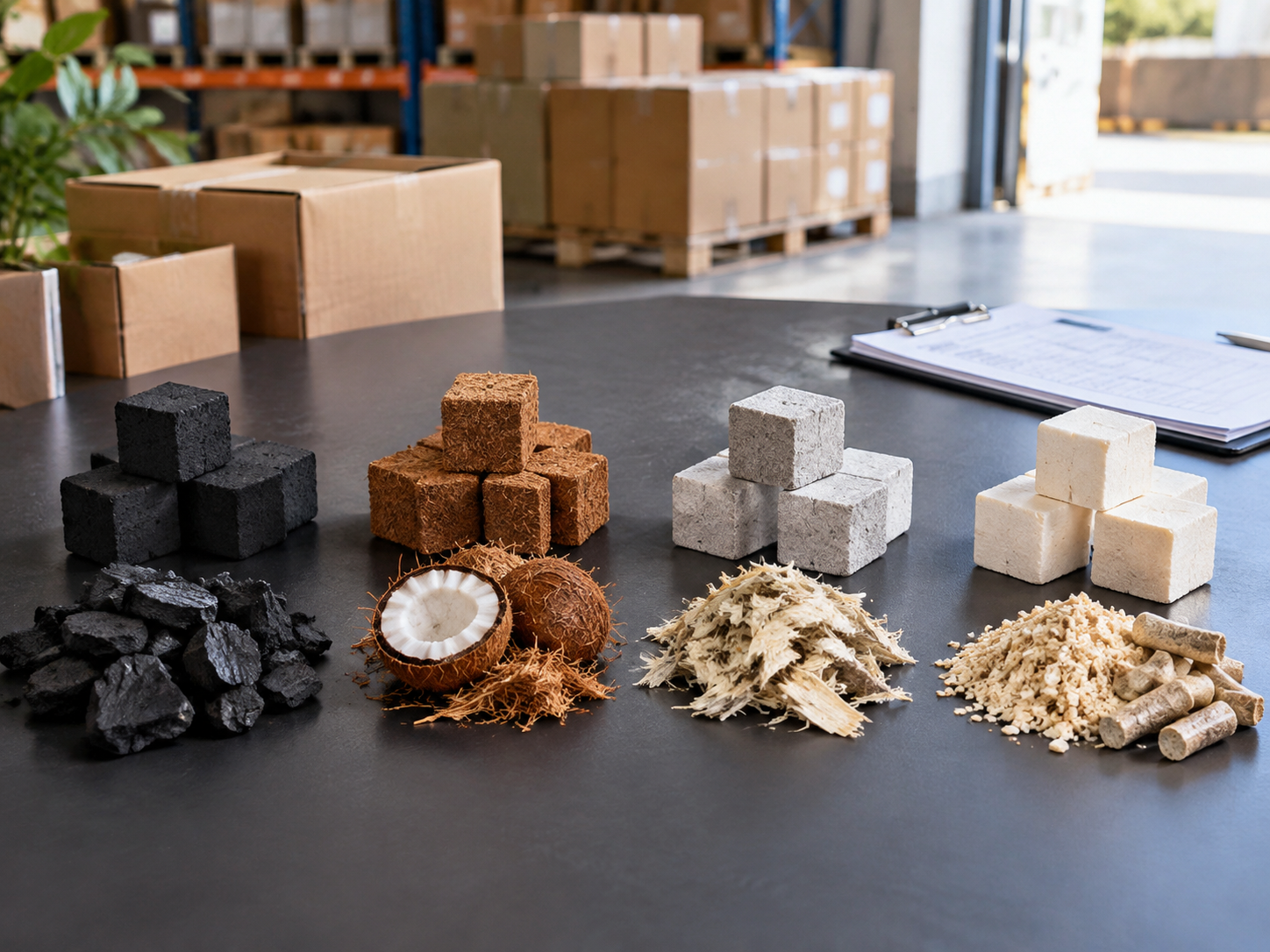
2025 Hookah Charcoal Market Outlook: Why Importers Are Diversifying Beyond Coconut Shell Charcoal
Importers are reassessing hookah charcoal sourcing as supply disruptions, changing logistics costs, product consistency, and demand for variety make single-source strategies riskier. The article outlines a practical approach to comparing coconut shell charcoal with alternatives such as bamboo, fruit wood, and quick-light products, emphasizing documented specifications, supply reliability, compliance, and safe handling.