
The True Cost of Hookah Charcoal: A 2026 Importer’s ROI Framework

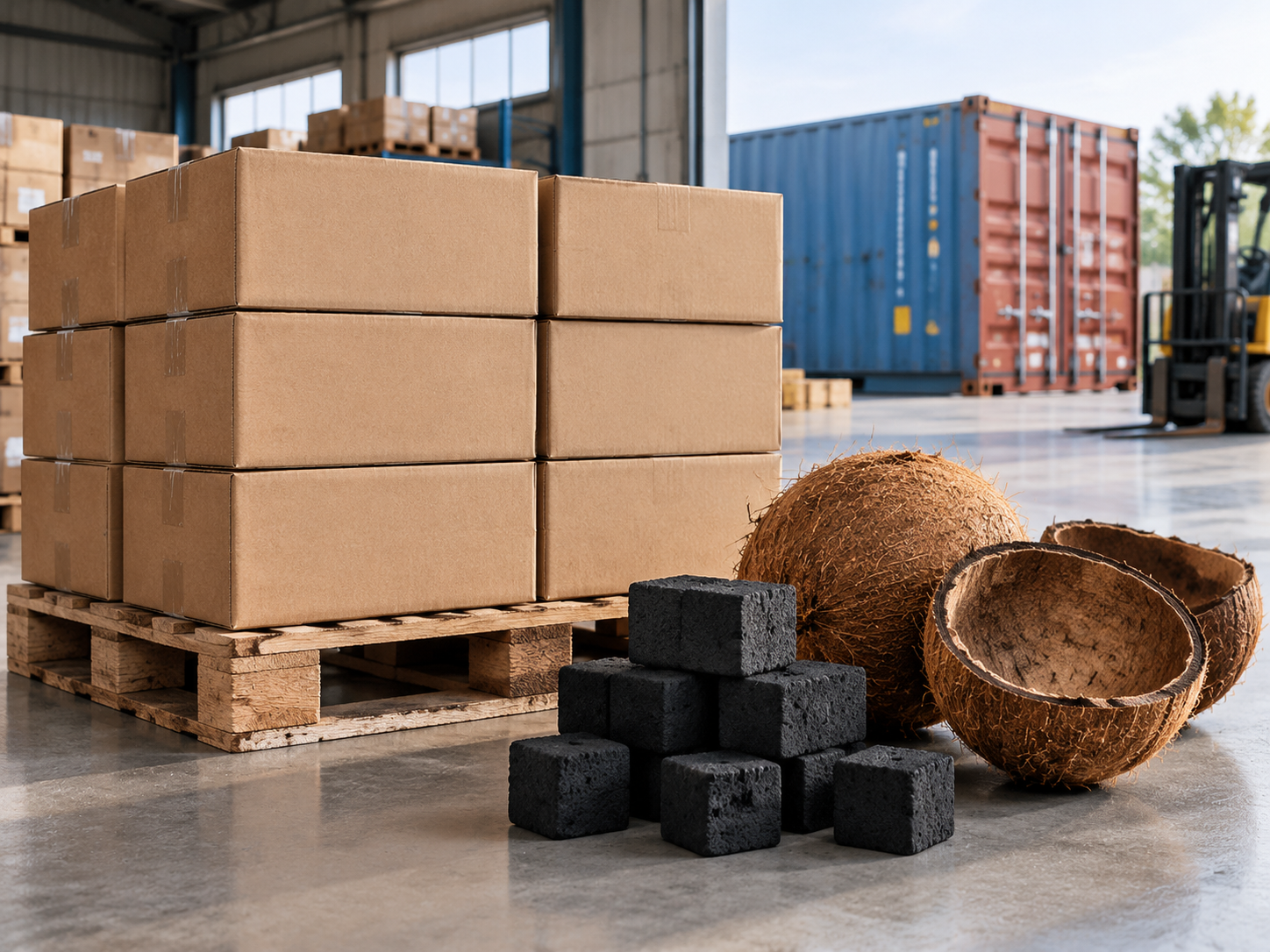
A low quote for hookah charcoal can conceal costs from breakage, inconsistent performance, shipping delays, and customer returns. This guide outlines how importers can compare coconut shell charcoal with alternatives by landed cost, usable yield, product specifications, and supply reliability.
Why the Cheapest Quote Can Cost Importers More
Every experienced importer knows the pattern. A container of shisha charcoal arrives at a competitive price, and the first few cartons perform acceptably. Then the complaints start: cubes that crumble before they reach the bowl, burn times that vary from batch to batch, excessive ash that smothers the session, an off odor that lingers in the lounge, and shipments that slip past the promised delivery window. By the time returns, credits, and lost repeat customers are tallied, the "cheap" quote has become the most expensive order of the year.
The true cost of quick light charcoal or natural hookah charcoal is never just the factory price per carton. It is the sum of landed cost, usable yield after breakage, quality consistency across batches, logistics reliability, and the financial exposure created by returns and reputational damage. A supplier quoting ten percent less per kilogram but delivering fifteen percent more breakage is not cheaper at all — it is simply more expensive in a form that is harder to see on the invoice.
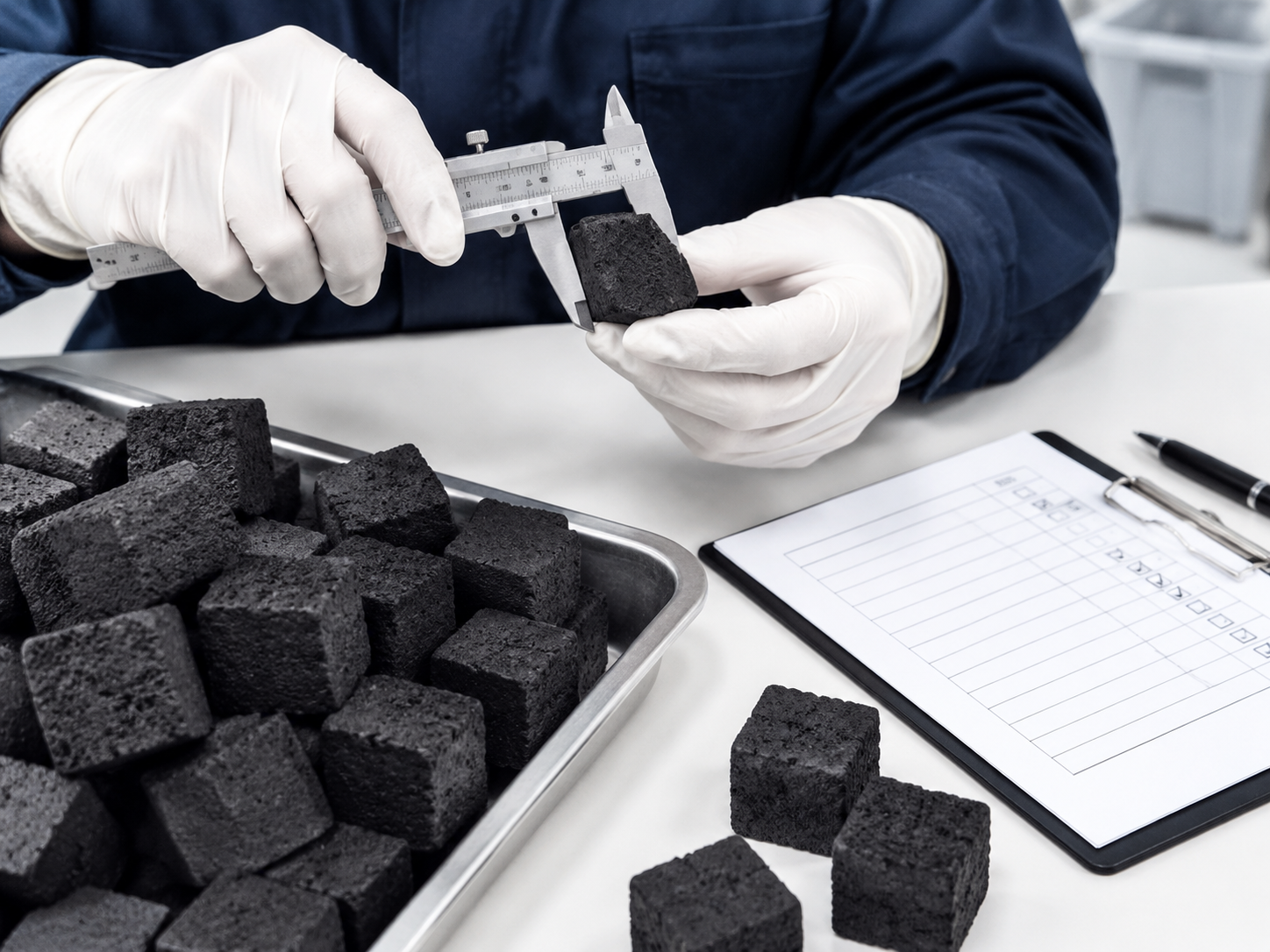
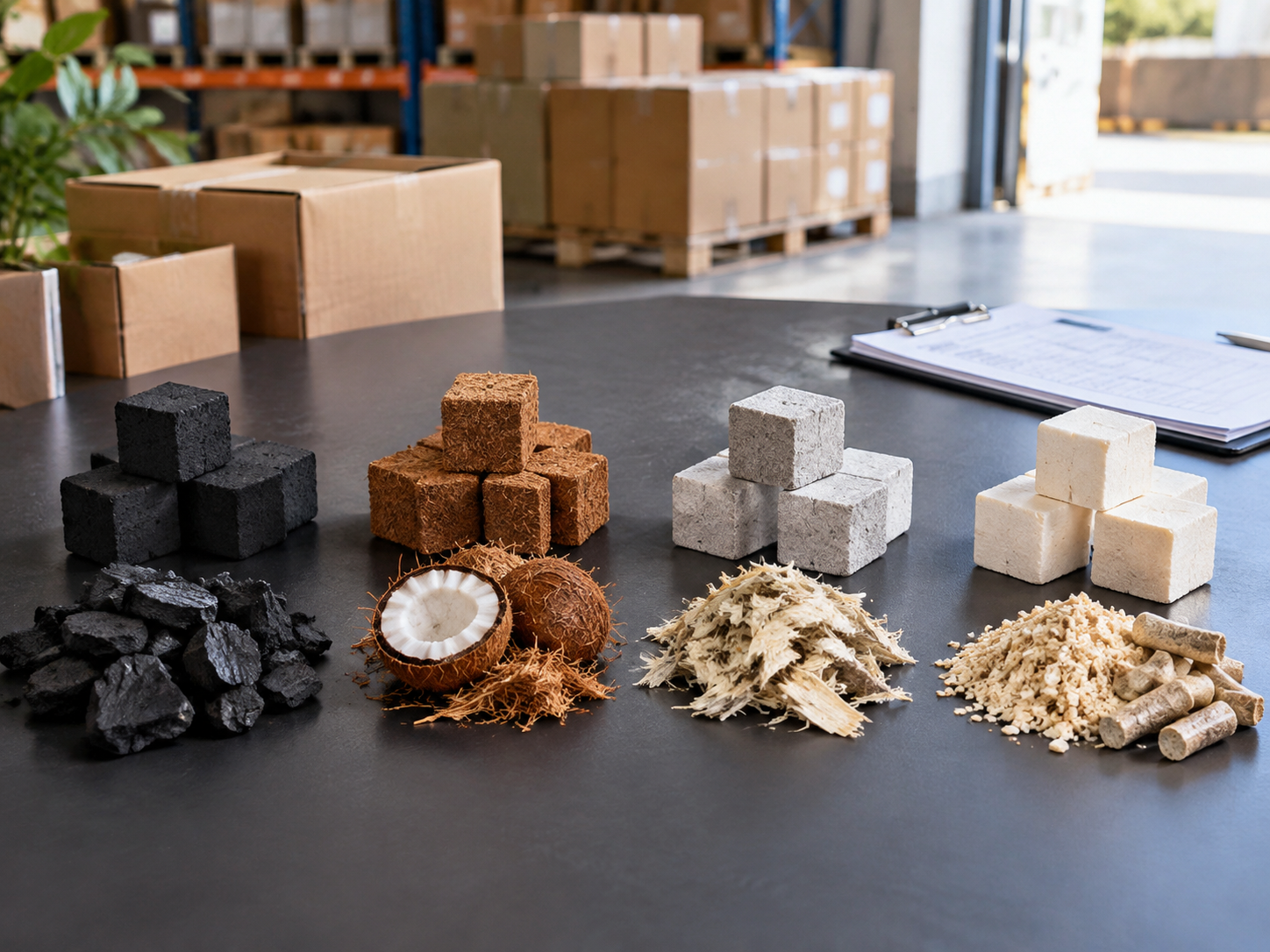
This article sets out a practical 2026 ROI framework for comparing coconut shell charcoal against alternatives such as bamboo charcoal and fruit wood charcoal. The goal is not to declare one fuel the winner, but to give importers a repeatable method for calculating what they actually pay per usable session — and what that means for margin, resale, and supply continuity.
What Importers Are Actually Buying: Coconut Shell Charcoal Basics
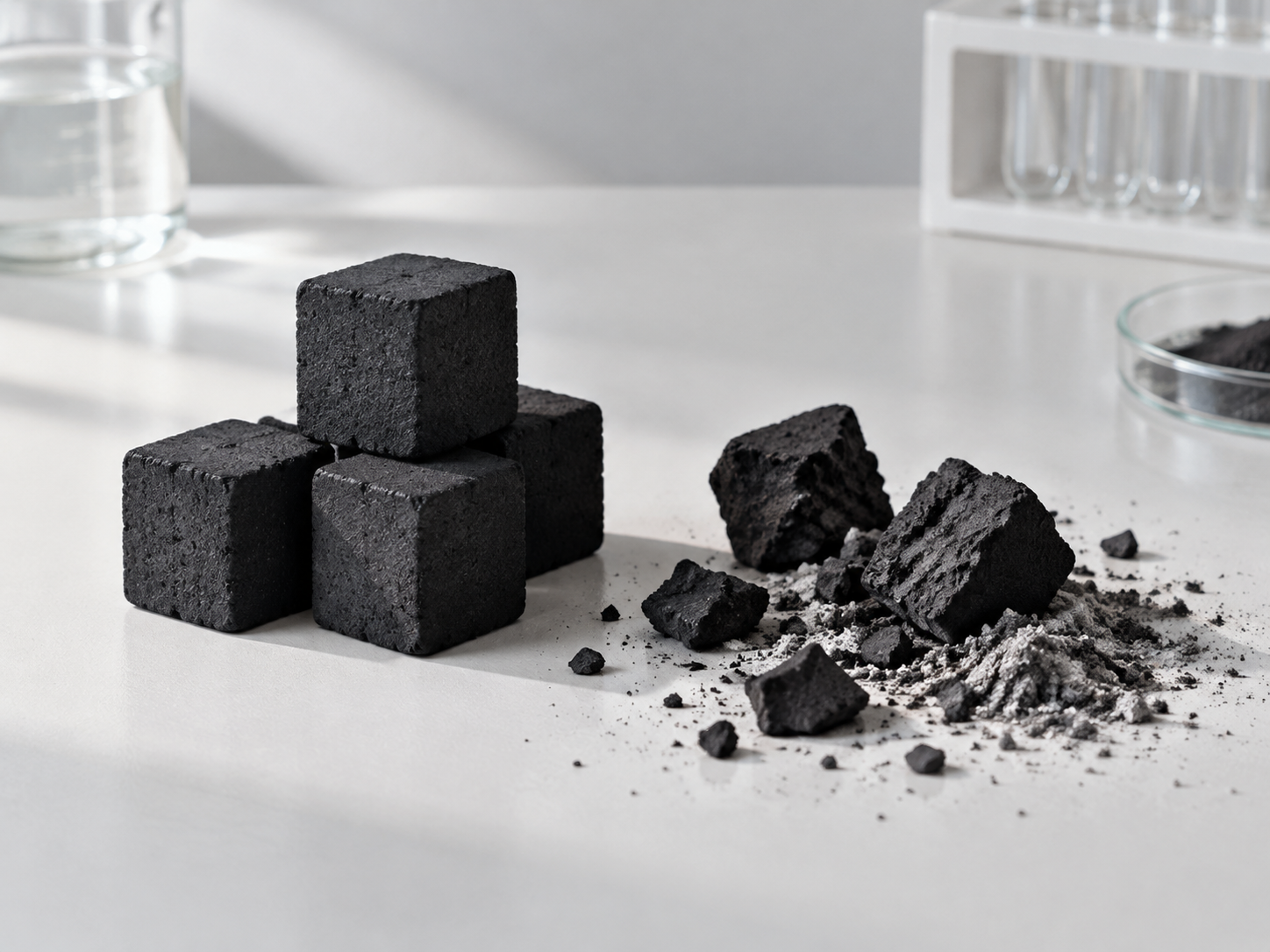
Coconut shell charcoal begins with discarded coconut shells, which are carbonized in kilns or retorts to drive off volatiles, then crushed, mixed with a binder, extruded or pressed into cubes, and dried. The quality of each step matters. Higher carbonization temperatures and longer dwell times generally produce a denser, more fully carbonized product with lower residual volatiles — which is why density, carbonization completeness, moisture content, and ash level are the four variables that most directly influence burn performance in the bowl.
Importers should also be precise about product category. Natural coconut shell hookah charcoal is a binder-formed, additive-light product that requires external ignition, typically on a coil burner or hot plate. Quick light charcoal is a different product entirely: it incorporates ignition aids so it lights from a flame or spark in seconds, which serves convenience-driven buyers but changes the odor and burn profile. Both have legitimate markets. Confusing the two in a purchase order is a common and costly sourcing error.
Before placing any order, verify a defined specification list: cube dimensions and dimensional tolerance, expected burn duration under stated conditions, ash percentage and ash appearance, odor when lit, hardness and drop resistance, moisture content at packing, and packaging format including inner bagging, carton strength, and pallet configuration. These are the parameters that determine whether the product performs in the customer's lounge or ends up in a returns bin.
The 2026 Landed-Cost Stack
Landed cost is built from layers, and every layer deserves a line in your model. Start with the ex-works or FOB price, then add packaging and customization, inland freight to port, ocean freight, marine insurance, import duties and taxes, port and terminal charges, customs brokerage, warehousing, and last-mile delivery to your distribution point. Only after all of these are included can you compare one hookah charcoal supplier against another honestly.
Several variables move the number significantly. Minimum order quantities determine whether you fill a container efficiently or pay for empty space. Container utilization — how well cartons cube out — can swing cost per kilogram more than a modest unit-price difference. Fuel surcharges and peak-season rates on ocean freight are volatile, and exchange-rate movement between quotation and payment can quietly erase a negotiated discount.
This is why specification-matched quotes matter. Request pricing from each supplier against an identical specification sheet, identical packaging, identical Incoterm, and identical volume. Comparing headline prices across mismatched offers is not comparison — it is guesswork. Charcoal wholesale pricing legitimately varies with order volume, customization depth, seasonality, and payment terms, so a supplier quoting a higher unit price on better terms may deliver a lower true cost.
From Cost per Kilogram to Cost per Usable Session
Cost per kilogram is an intermediate metric, not a decision metric. The number that determines your margin is cost per usable session. Build it in three steps: first, calculate total landed cost for the shipment; second, estimate usable pieces after accounting for breakage in transit and handling; third, divide by the number of sessions those usable pieces will actually support at the customer's typical usage rate.
Total landed cost ÷ estimated usable sessions = landed cost per session
This reframing changes conclusions. A denser, harder cube that burns longer and more evenly may deliver more sessions per kilogram than a lighter, cheaper alternative, even at a higher upfront price. Conversely, a low-cost product with high breakage and short burn times can post a cost per session that is dramatically worse than its price per kilogram suggests.
Supplier claims about burn duration and ash should never be accepted at face value. Validate them with representative samples drawn from production, not from a hand-selected showpiece batch, and test across repeat batches to confirm consistency. A supplier that performs identically across three separate production runs is worth more than one that performs brilliantly once.
ROI Comparison: Coconut Shell, Bamboo, Fruit Wood, and Quick Light
Each fuel type occupies a different position in the market, and each should be evaluated through the same specification and landed-cost framework rather than assumed superior or inferior on principle.
- Coconut shell charcoal: dense, low ash, low odor, long burn, requires external ignition. Typically favored by quality-focused lounge and retail buyers.
- Bamboo charcoal: a legitimate alternative with its own density and burn characteristics. Evaluate it on the same specification sheet — dimensions, moisture, ash, burn duration, odor — rather than treating it as a universal substitute. Importers sourcing bamboo charcoal cubes for shisha wholesale should apply identical quality gates.
- Fruit wood charcoal: a differentiated option with distinct burn behavior and aroma profile. Buyers evaluating fruit wood charcoal for hookah use need clear sourcing and performance specifications, because fruit wood products vary widely by species, carbonization method, and format.
- Quick light charcoal: serves convenience-focused segments where fast ignition outweighs other considerations. Natural shisha charcoal buyers, by contrast, tend to prioritize composition and burn characteristics.
Formats matter as much as fuel. A large block product such as the 50*50*40mm Block Quick-Burning Charcoal, Fully Burning, Black Fruit Wood AA554-SBQ is designed for BBQ, outdoor cooking, and hookah use, offering 1–3 second ignition and full burn-through — a strong fit for buyers who want a substantial block format with fast light-up. For hookah, shisha, and aromatherapy burners, the 50mm perforated quick burning charcoal fruit charcoal delivers a perforated quick-light format with a fruit fragrance profile, suited to buyers whose customers value convenience and aroma.
Finally, note that incense charcoal has different use cases entirely. Incense and bakhoor applications involve different burn temperatures, formats, and handling expectations, and should be assessed separately from hookah-grade products rather than folded into the same specification sheet.
A Practical Importer ROI Model
A working model needs honest inputs. Collect order quantity, unit price, freight and duty per unit, expected breakage percentage, usable yield percentage, your selling price per carton, channel fees, and historical repeat-purchase rate. Then calculate:
- Landed cost per kilogram: total landed cost ÷ total net kilograms received.
- Gross margin per carton: selling price per carton − landed cost per carton − channel fees.
- Contribution margin: gross margin − variable selling and fulfillment costs.
- Break-even volume: fixed costs ÷ contribution margin per carton.
Run the model three ways: conservative, expected, and best case. Vary breakage, freight rate, and sell-through independently, because in practice they move together. Be skeptical of any market-wide ROI claim, including figures like a reported 30% improvement. Unless the baseline, product specification, market, and measurement period are documented, treat such numbers as case-specific marketing rather than a planning assumption.
Quality and Safety Checks That Protect Returns
Build a pre-shipment checklist and enforce it on every order. Verify dimensions against tolerance, moisture content at packing, ash percentage, odor when lit, ignition time, burn duration, carton compression strength, and batch-to-batch consistency against the approved sample.
Put tolerances in writing, retain a sealed approved sample from each production run, define the inspection procedure and sampling plan, and establish a documented process for logging defects or transit damage with photographs and batch codes. This documentation is what makes a claim enforceable.
Safety communication matters too. Smoke and hot air can irritate airways, so product instructions should never imply that charcoal use is risk-free. Advise ventilation and responsible handling. For incense or bakhoor applications, provide product-specific guidance distinct from hookah use, and direct buyers to follow appropriate ventilation and handling practices for each format.
Choosing a Supplier and Protecting Supply Continuity
Assess any shisha charcoal manufacturer or hookah charcoal factory on traceability, production capacity, quality management systems, export experience, lead times, and communication responsiveness. A factory that answers technical questions precisely and documents its process is a fundamentally different risk than one that only answers pricing emails.
Compare a shisha charcoal exporter against a direct factory quote by examining what each includes: documentation, inspection support, consolidation, risk controls, and after-sales handling. The exporter's margin may be justified by services you would otherwise absorb yourself.
Consider when you need a specialized partner. A hookah charcoal OEM manufacturer, a private label hookah charcoal manufacturer, or a custom hookah charcoal supplier becomes relevant when your brand requires proprietary packaging, artwork control, or bespoke specifications. Qualify backup sources as well, including a bamboo cube shisha charcoal supplier or a bamboo shisha charcoal wholesale partner, where product fit and specifications align with your market.
Throughout, frame supplier selection around repeatability rather than one-off pricing. The right hookah charcoal manufacturer for importers is the one that ships the same product, to the same specification, on the same schedule, order after order.
Buyer and Sourcing Scenarios
Different buyer types should weight the model differently.
- Distributors should prioritize landed cost, container efficiency, documentation quality, and reliable replenishment from a bulk hookah charcoal supplier. Predictable resupply protects their own customer commitments.
- Private-label brands should assess packaging capability, artwork control, minimum order quantities, and quality consistency across production runs — the factors that determine whether their brand promise survives scale-up.
- Mixed-category buyers should evaluate bamboo charcoal cubes for shisha wholesale separately from fruit wood incense charcoal wholesale, since the two product lines serve different end uses and require different specifications.
Niche sourcing searches reflect genuine product-specific needs. A buyer looking for a fruit wood quick light hookah charcoal manufacturer, a quick light hookah charcoal factory, or a fruit wood charcoal cubes supplier is solving a defined product problem and should bring a written specification to every conversation. Likewise, verify credentials and export capability before engaging a shisha charcoal factory in China or any other origin — origin alone is not a quality signal.
How to Build a 2026 Charcoal Sourcing Plan
Start by defining target customer segments, product formats, quality thresholds, forecast volumes, and an acceptable landed-cost range for each SKU. Without these definitions, every quote looks comparable and none of them are.
Next, request comparable samples and quotations from qualified B2B hookah charcoal supplier candidates, using a single specification sheet across all of them. Test the samples under realistic conditions, then pilot an order. Track sell-through, defect rates, and customer feedback, and update your ROI model with actual freight, breakage, and repeat-order data rather than assumptions.
Finally, reassess suppliers and product mix on a regular cycle. Freight rates, demand patterns, and import requirements all shift, and a sourcing plan built in January may be obsolete by the third quarter.
Conclusion: Buy on Total Value, Not the Lowest Unit Price
The central decision rule is simple: compare cost per usable session and dependable resale margin, not price per kilogram alone. A lower unit price that produces higher breakage, shorter burns, and more returns is not a saving — it is a deferred cost with interest attached.
Verify performance, landed cost, and every supplier claim with representative samples, written specifications, and pilot shipments before committing to volume. Build a side-by-side cost model for coconut shell charcoal and the alternatives relevant to your market, and let the numbers — not the headline quote — decide where your 2026 orders go.
Related Articles
Myth Busted: Is Coconut Shell Charcoal Always the Cleanest and Longest-Lasting?
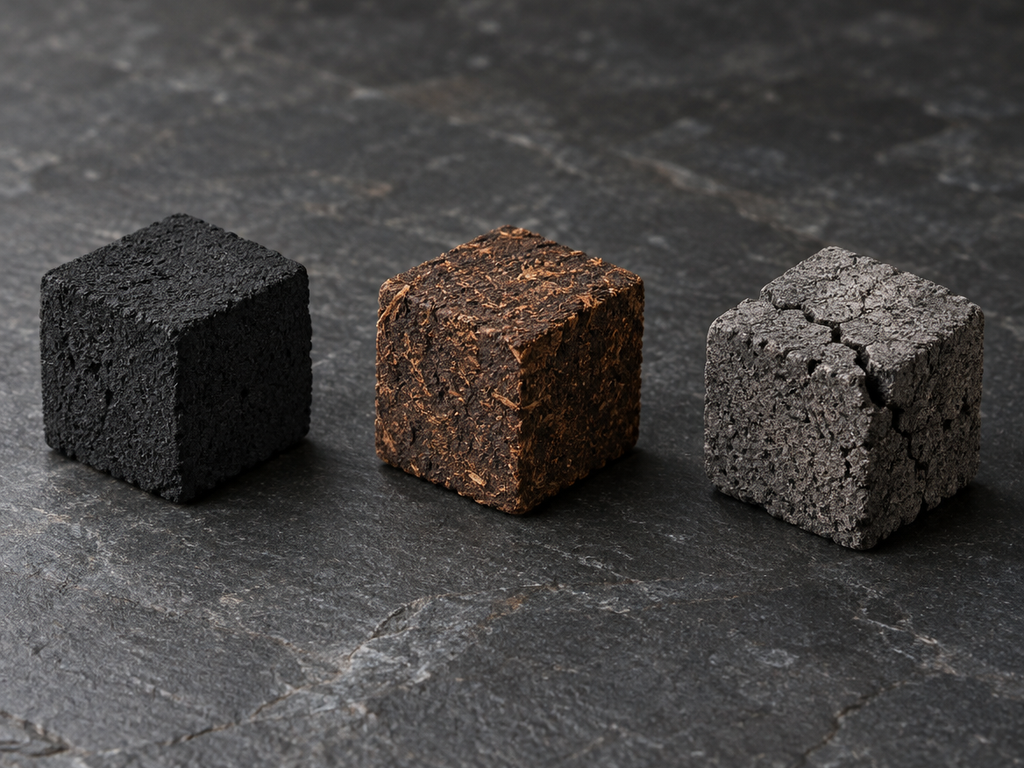
Coconut shell charcoal can perform well, but its feedstock alone does not guarantee low odor, low ash, or a long burn. Buyers should compare product-specific test results and batch consistency, while using charcoal with proper ventilation and following safety instructions.
2025 Hookah Charcoal Market Outlook: Why Importers Are Diversifying Beyond Coconut Shell Charcoal
Importers are reassessing hookah charcoal sourcing as supply disruptions, changing logistics costs, product consistency, and demand for variety make single-source strategies riskier. The article outlines a practical approach to comparing coconut shell charcoal with alternatives such as bamboo, fruit wood, and quick-light products, emphasizing documented specifications, supply reliability, compliance, and safe handling.