
Myth Busted: Is Coconut Shell Charcoal Always the Cleanest and Longest-Lasting?

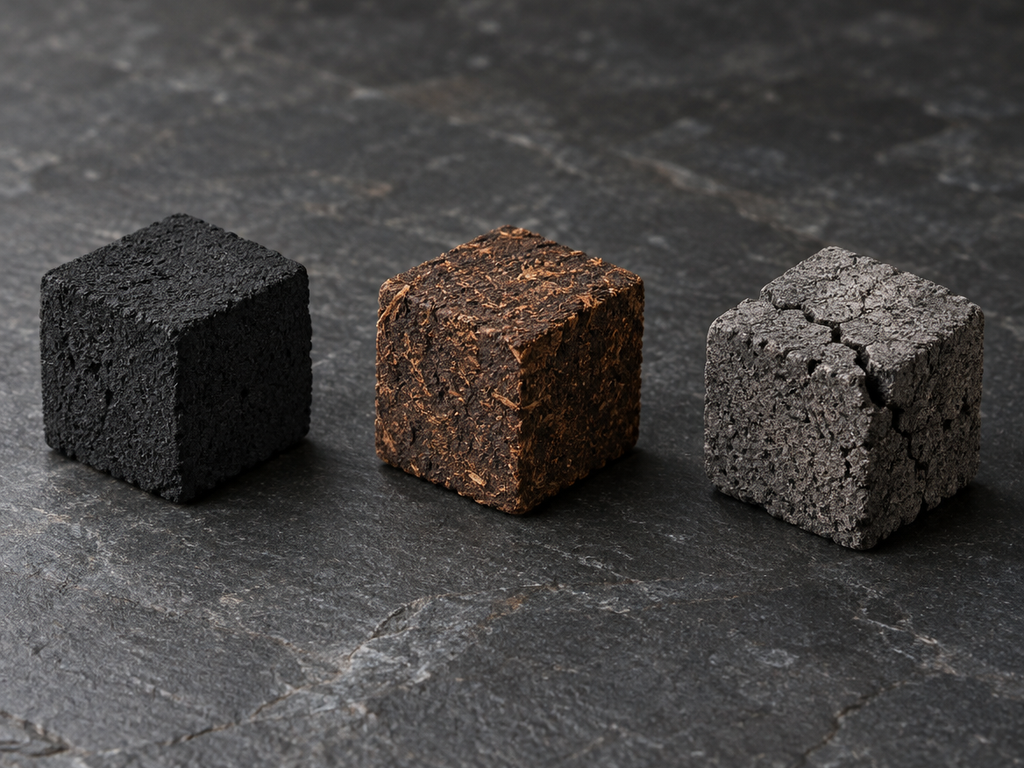
Coconut shell charcoal can perform well, but its feedstock alone does not guarantee low odor, low ash, or a long burn. Buyers should compare product-specific test results and batch consistency, while using charcoal with proper ventilation and following safety instructions.
Myth Busted: Is Coconut Shell Charcoal Always the Cleanest, Longest-Lasting Option? A Buyer’s Fact-Check
Why Hookah Charcoal Buyers Need More Than a Simple “Best Charcoal” Claim
Anyone who buys hookah charcoal in volume knows the frustration of a product that does not behave the way the label promises. A batch that burns out halfway through a session, ash that piles up faster than expected, a faint chemical or smoky odor that interferes with flavor, cubes that crack or crumble during lighting, or a supplier’s sample that performs nothing like the container that arrives months later — these are the practical problems that drive purchasing decisions far more than any marketing slogan.
There is also a safety dimension that serious buyers cannot ignore. Burning charcoal produces smoke and fumes that can irritate the airways, eyes, and throat, especially in enclosed spaces. Charcoal should always be used with appropriate ventilation and strictly according to the product’s safety instructions, ignition guidance, and intended application. A “clean-burning” claim is not a substitute for proper handling, and no charcoal product should be treated as risk-free simply because of the feedstock it is made from.
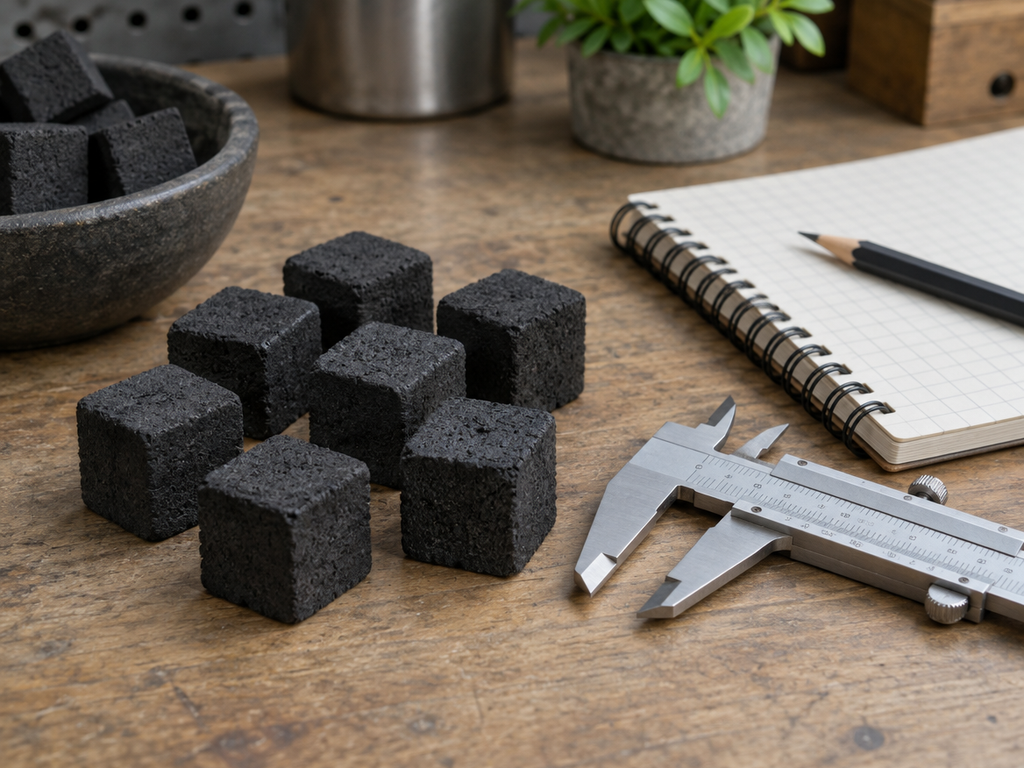
This is why the question at the center of this article matters: is coconut shell charcoal reliably cleaner and longer-lasting than every alternative — or does real-world performance depend far more on the specific product, the manufacturing process, and how that product is tested? The honest answer is more nuanced than most supplier brochures suggest, and understanding that nuance is the difference between a profitable charcoal line and a warehouse full of returns.
The Verdict: Coconut Shell Charcoal Can Perform Well, but “Always” Goes Too Far
Coconut shell is one of the most common feedstocks for shisha charcoal, and for good reason. It is dense, widely available in producing regions, and when it is carbonized and formed correctly, it can deliver a steady burn with relatively low odor. Many buyers have had excellent experiences with well-made coconut shell cubes, and there is no reason to dismiss the category.
But feedstock alone does not determine finished-product quality. Two products made from the same coconut shell raw material can behave completely differently depending on carbonization temperature, binder selection, pressing pressure, drying time, moisture content, and quality control discipline. A poorly processed coconut shell cube can ash heavily, smell off, or crumble — while a carefully engineered bamboo charcoal or fruit wood charcoal cube can outperform it in the same session.
Claims like “cleanest” and “longest-lasting” are also meaningless without defined comparisons. Cleanest compared to what, measured how, under which lighting method, with which hookah setup, and over what session length? Longest-lasting at what cube size and density? Without consistent test conditions and product-specific evidence, these words are marketing, not specifications.
The practical takeaway for buyers is simple: compare actual burn time, ash volume and texture, odor, ignition behavior, and batch-to-batch consistency — not a single material claim. A hookah charcoal product earns its place in your catalog through measurable performance, not through the word “coconut” on the box.
What Really Affects Burn Time, Ash, and Odor
When buyers ask why one shisha charcoal lasts noticeably longer than another, the answer usually lives in production variables rather than feedstock labels. Carbonization determines how much volatile material remains in the char. Binder choice affects how the cube holds together and how it burns down. Density and pressing pressure influence burn duration and structural integrity. Moisture content — often overlooked — can cause sputtering, uneven ignition, and shorter effective burn. Cube size and shape change the surface-area-to-volume ratio, which directly affects how quickly heat releases. And quality control determines whether batch ten performs like batch one.
Real-world performance is also shaped by factors outside the factory. Airflow through the hookah, how the charcoal is handled and stored, the lighting method (torch, stove, or quick-light ignition), bowl packing, and the overall setup all change the experience. A premium cube stored in a damp warehouse or lit improperly will underperform, while a mid-range product used correctly can deliver a solid session.
This is why smart buyers ask suppliers a direct question: how do you measure burn time and ash, and are those results based on repeatable tests? A supplier who can describe a defined method — cube size, ignition procedure, ambient conditions, session endpoint — is far more credible than one who simply repeats the phrase “long-lasting.”
Coconut Shell, Bamboo, and Fruit Wood: Compare the Finished Product
Coconut shell charcoal, bamboo charcoal, and fruit wood charcoal are best understood as different feedstock options, not automatic guarantees of cleanliness, flavor neutrality, or longevity. Each material has characteristics that suit certain applications and production methods, but the finished cube — not the raw material — is what your customers actually burn.
Bamboo offers fast growth and good availability, and well-made bamboo cubes can serve shisha applications effectively; buyers sourcing bamboo cube shisha charcoal or looking for a bamboo shisha charcoal wholesale partner should still evaluate density, ash, and odor the same way they would for any other material. Fruit wood, meanwhile, is valued in several categories and often appears in quick-light formats and in applications such as incense charcoal, where ignition speed and consistent heat matter. Because fruit wood charcoal may serve specific applications beyond shisha, buyers should always verify the intended use and product specifications rather than assuming one format fits every channel.
The most reliable approach is a controlled sample comparison: order samples of the same size and format from each candidate supplier, light them under similar conditions, and record burn time, ash output, odor, and structural behavior side by side. That single exercise will tell you more than any feedstock claim ever will.
Quick Light Charcoal Versus Natural Hookah Charcoal
Quick light charcoal is engineered for easy ignition — it lights fast, often within seconds, which makes it convenient for consumers who value speed and simplicity. Natural hookah charcoal, by contrast, typically requires longer ignition on a stove or burner but is commonly chosen by buyers prioritizing other performance characteristics, such as burn duration, ash behavior, and odor profile. These are different product categories with different design goals, and treating them as interchangeable without confirming intended application is a common and costly mistake.
Well-executed quick-light products show what the category can achieve. A large-format option such as the 50*50*40mm Block Quick-Burning Charcoal, Fully Burning, Black Fruit Wood AA554-SBQ is built for BBQ, outdoor cooking, and hookah use, offering 1–3 second ignition and full burning behavior in a substantial block format — a good example of how a fruit wood quick light hookah charcoal manufacturer can tune ignition speed without abandoning burn quality. For shisha and aromatherapy channels, a perforated format like the 50mm perforated quick burning charcoal fruit charcoal is designed for Hookah, Shisha, and aromatherapy burners, with a fruit profile and perforated structure that supports even heat and easy lighting.
Whichever format you carry, check ingredient and safety information, ignition instructions, odor, ash behavior, and suitability for the intended use before committing to volume. Quick light and natural products each have a place — but they serve different buyers, and your specifications should reflect that.
A Practical B2B Checklist for Evaluating Charcoal Claims
Before you accept any claim about cleanliness or longevity, put the supplier through a structured evaluation. The following checklist works for importers, distributors, and private-label brands alike.
- Request full product specifications: dimensions, density, moisture content, ash characteristics, packaging format, and recommended use. Vague spec sheets are a warning sign.
- Demand definitions: ask the supplier to define “long-lasting” and “clean-burning” in measurable terms, and to share test methods or representative sample results.
- Verify batch consistency: ask how production batches are checked and whether the sample you receive matches the specification of the order you will place.
- Inspect packaging durability: charcoal travels long distances; weak packaging means broken cubes, dust, and customer complaints.
- Confirm lead times and export documentation: reliable shipping schedules and complete paperwork protect your margins and your reputation.
- Calculate total landed cost: unit price alone is misleading. Factor in freight, duties, breakage, and usable burn performance per cube before comparing suppliers.
Run this checklist against every candidate, and the “best charcoal” question becomes an evidence-based decision instead of a gamble.
How to Choose a Charcoal Wholesale Partner
Choosing a hookah charcoal supplier is ultimately about trust backed by documentation. A strong partner provides transparent specifications, ships samples promptly, maintains visible quality controls, and responds to technical questions with specifics rather than slogans. When you are sourcing charcoal wholesale volumes, those habits separate a long-term partner from a one-off transaction.
For importers and distributors, the operational questions matter just as much as the product questions: what is the production capacity, what are the minimum order quantities, which packaging options are available, and what shipping terms can be supported? A supplier who cannot answer these clearly will struggle to keep your shelves stocked on schedule.
It is also worth asking whether a shisha charcoal manufacturer can support OEM, private-label, or custom packaging requirements without compromising product consistency. Many buyers eventually want their own brand on the box, and a partner experienced as a hookah charcoal OEM manufacturer or private label hookah charcoal manufacturer can make that transition smooth rather than painful. The same applies to buyers seeking a custom hookah charcoal supplier for specialized formats, or a fruit wood hookah charcoal OEM and bamboo hookah charcoal custom program for differentiated product lines.
Questions Buyers Should Ask Before Placing an Order
A short, focused question list will reveal more about a supplier than a full catalog. Ask these before you commit:
- What feedstock and binders are used, and what is the product specifically designed for?
- How are burn time, ash, odor, and ignition performance tested — and can you describe the method?
- Can you provide recent samples, and explain how production batches are checked for consistency?
- What changes between standard, quick light, and custom or private-label products?
Suppliers who answer these questions precisely are the ones worth building a relationship with. Those who deflect are telling you something important.
Conclusion: Buy on Verified Performance, Not a Blanket Material Claim
Here is the fact-check in one line: coconut shell charcoal may be a strong option, but it is not automatically the cleanest or longest-lasting choice in every comparison. Performance lives in the finished product — carbonization, binders, density, moisture, size, and quality control — not in a single feedstock name.
The right approach is to match charcoal type and format to your specific application, then validate every supplier claim with samples and measurable specifications. Compare shisha charcoal, hookah charcoal, bamboo charcoal, incense charcoal, and quick light charcoal by verified performance and intended use rather than by label. Whether you are working with a hookah charcoal factory overseas, a shisha charcoal exporter, a fruit wood charcoal for hookah supplier, or a bulk hookah charcoal supplier closer to home, the discipline is the same: test, measure, and buy on evidence.
Do that, and the “always the cleanest, longest-lasting” myth stops mattering — because you will know exactly what you are buying, and so will your customers.
Related Articles
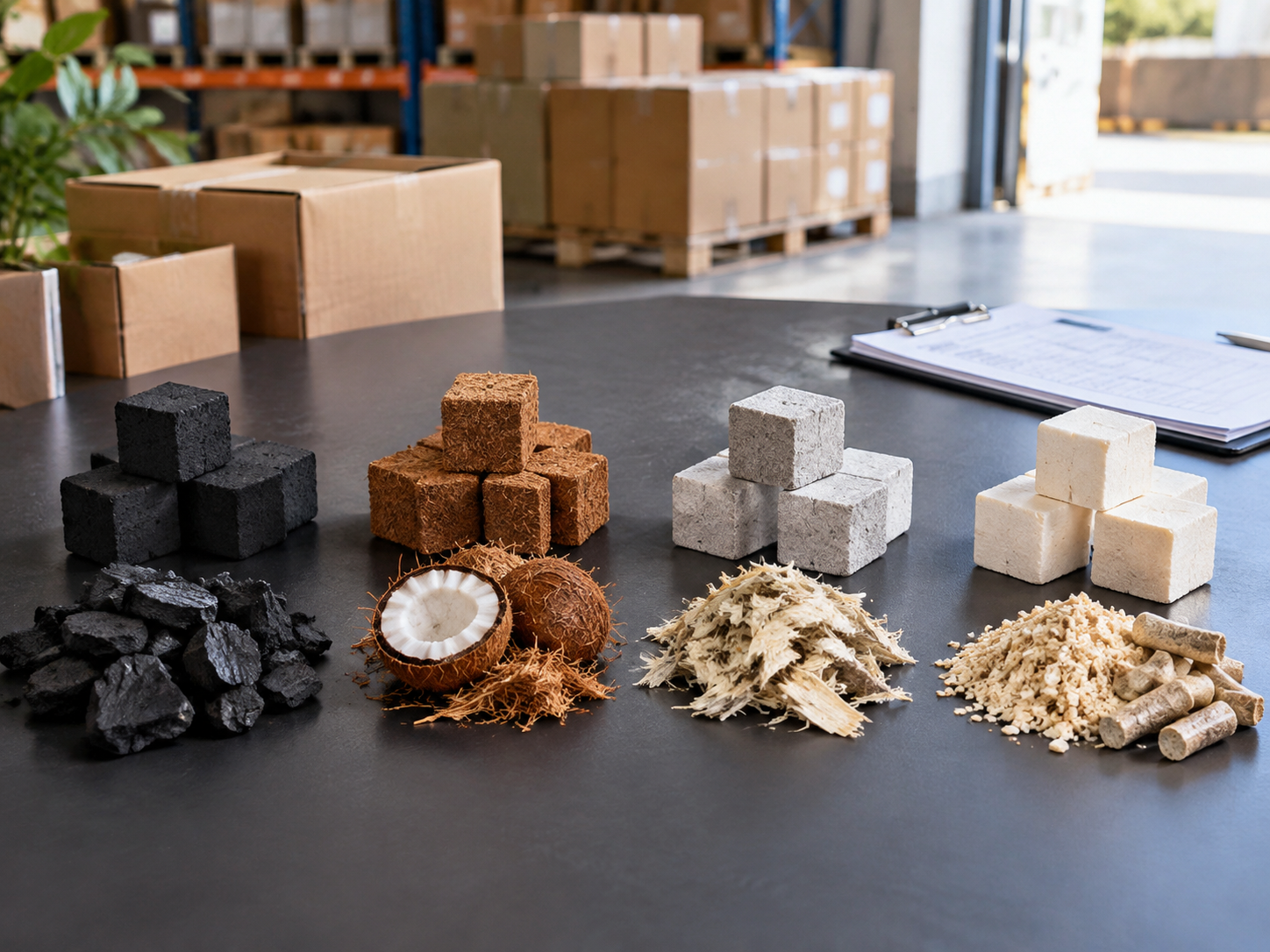
2025 Hookah Charcoal Market Outlook: Why Importers Are Diversifying Beyond Coconut Shell Charcoal
Importers are reassessing hookah charcoal sourcing as supply disruptions, changing logistics costs, product consistency, and demand for variety make single-source strategies riskier. The article outlines a practical approach to comparing coconut shell charcoal with alternatives such as bamboo, fruit wood, and quick-light products, emphasizing documented specifications, supply reliability, compliance, and safe handling.

How to Evaluate Alternatives to Coconut Shell Charcoal: A 7-Step Importer Checklist
Switching charcoal feedstocks can affect heat, ash, odor, breakage, delivery reliability, and brand reputation—not just purchase price. This checklist helps importers define product requirements and compare shisha, quick-light, and alternative charcoal under consistent conditions, while keeping incense charcoal specifications separate.