
Hookah Charcoal Procurement: Why Coconut Shell Charcoal Is Losing Ground

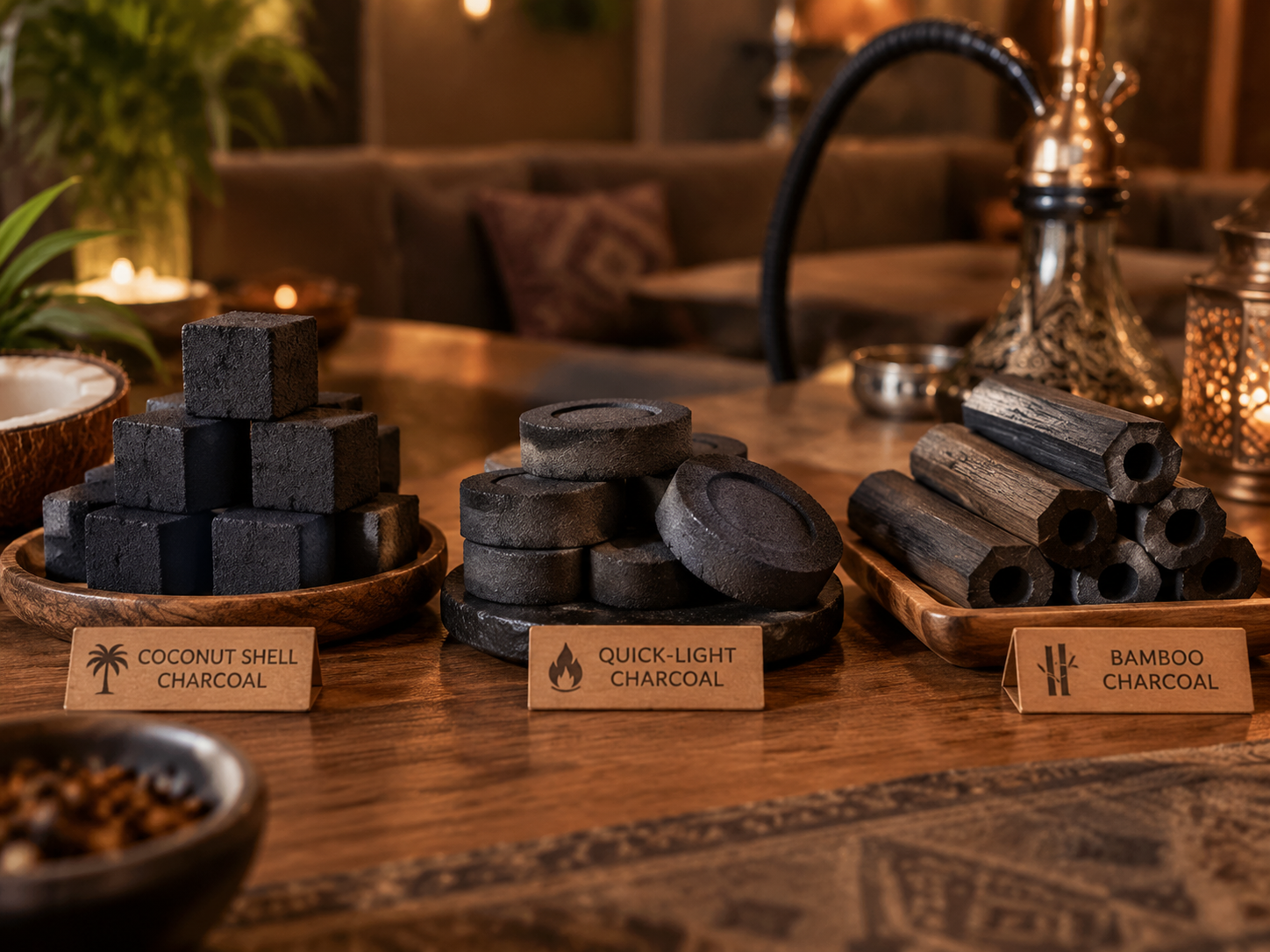
Coconut shell charcoal has long dominated the hookah market as the premium natural choice, but B2B buyers are now diversifying toward quick-light, bamboo, and blended alternatives. This article examines the market shift and compares the supply chains behind each charcoal type.
Introduction: The Changing Hookah Charcoal Landscape
Walk into any hookah lounge, shisha bar, or retail shop that sells hookah supplies, and you will notice something interesting: the charcoal aisle is no longer dominated by a single type. For years, natural coconut shell charcoal held the crown as the premium choice for hookah enthusiasts and B2B buyers alike. But the market is shifting, and procurement professionals are paying close attention.
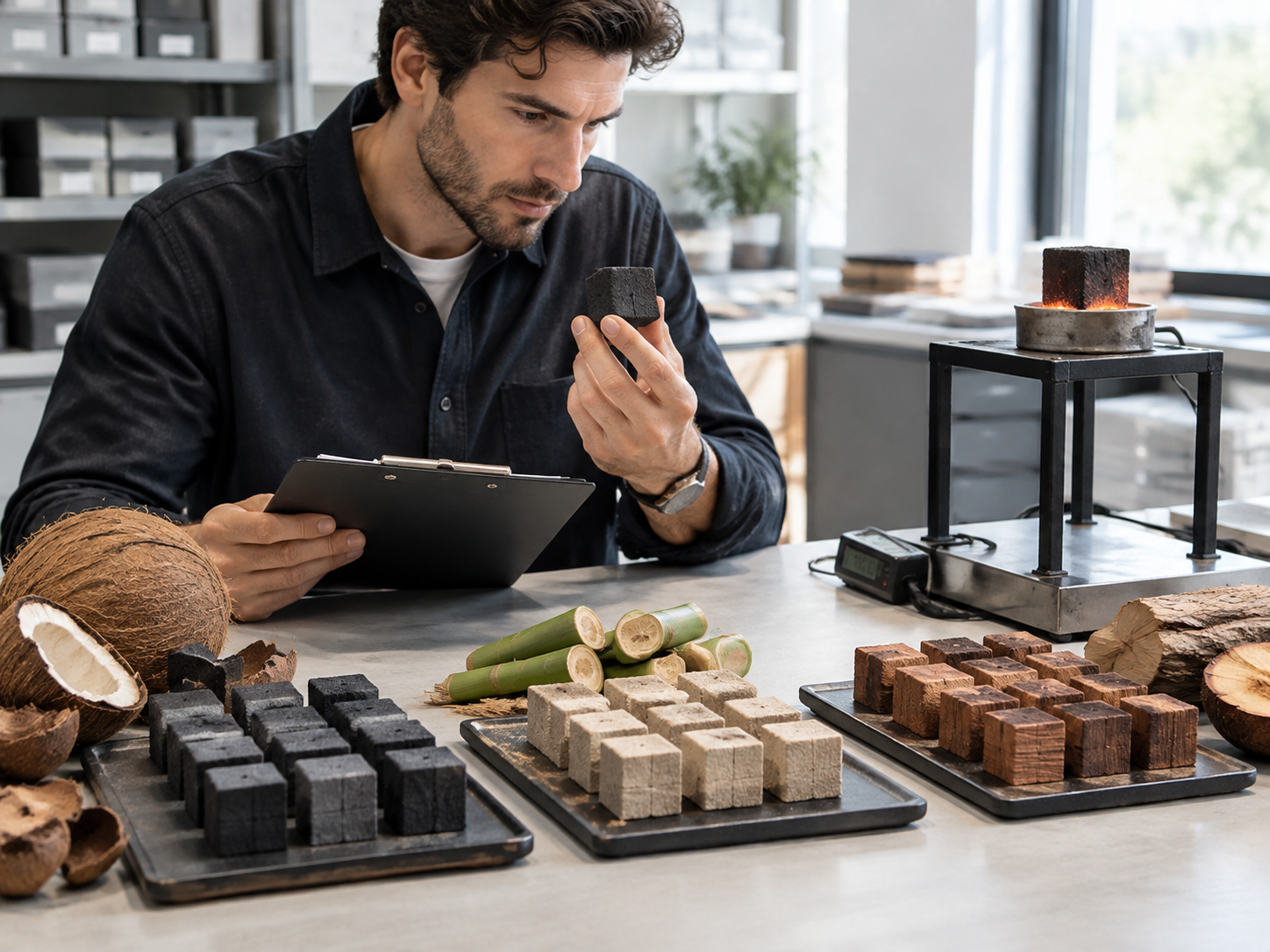
To understand this shift, it helps to know the main categories of hookah charcoal. Natural coconut shell charcoal is made by carbonizing coconut husks and shells, then pressing them into cubes or flats without added chemicals. Quick-light charcoal, by contrast, is manufactured with an accelerant that allows it to ignite almost instantly when exposed to a flame. Other alternatives include bamboo charcoal, hardwood charcoal, and various blended products that combine different raw materials.
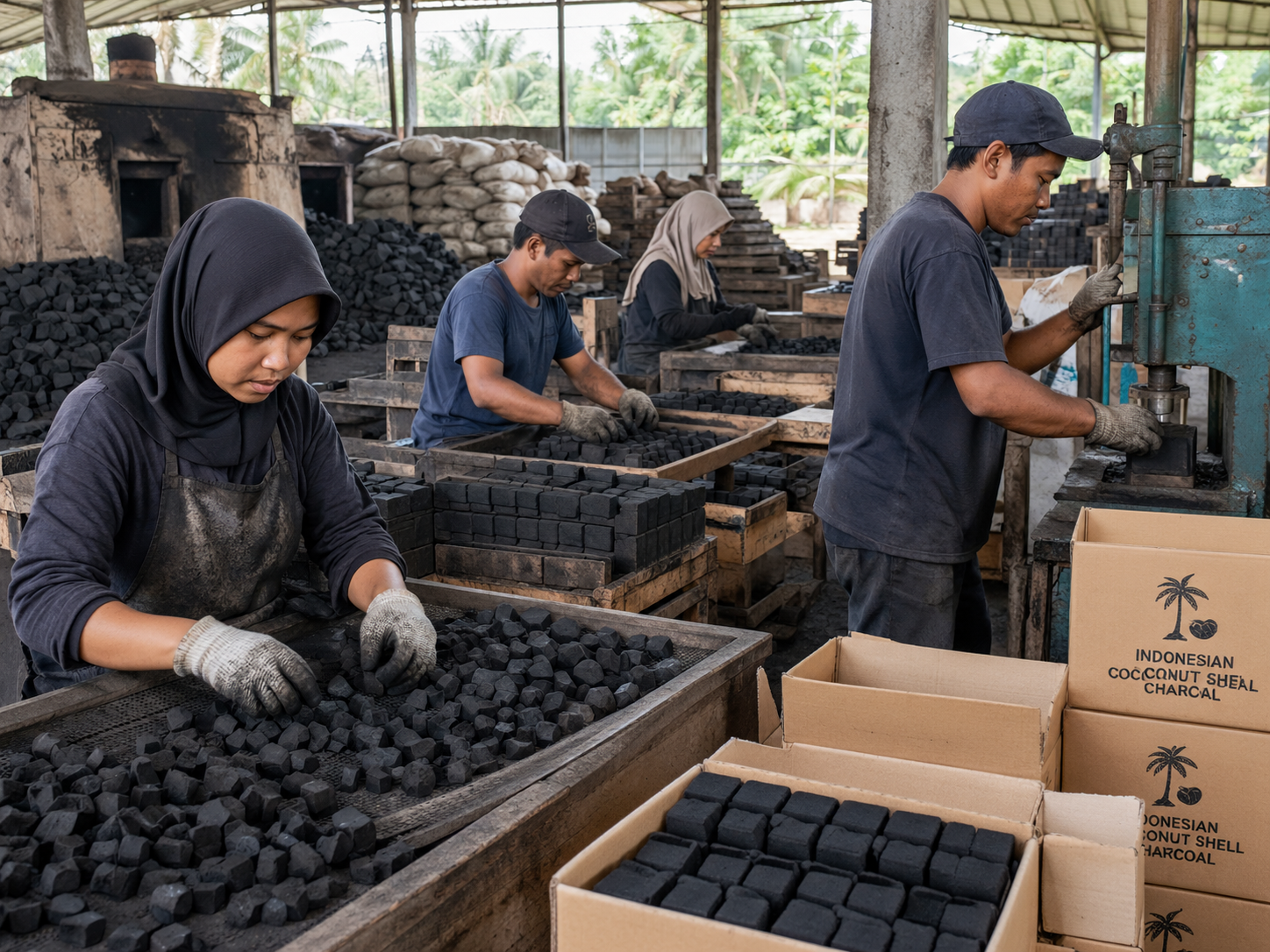
Coconut shell charcoal became popular for good reason. It burns cleanly, produces minimal ash, contains no chemical additives, and carries a strong eco-friendly narrative since it is made from agricultural waste. For years, it seemed like the obvious choice for anyone who cared about quality and sustainability.
Yet a surprising trend has emerged in B2B procurement: coconut shell charcoal is losing ground. Buyers who once committed to long-term contracts are now diversifying their portfolios, testing alternatives, and rethinking their sourcing strategies. This article explores the reasons behind this shift and compares the supply chains of coconut shell charcoal against its competitors.
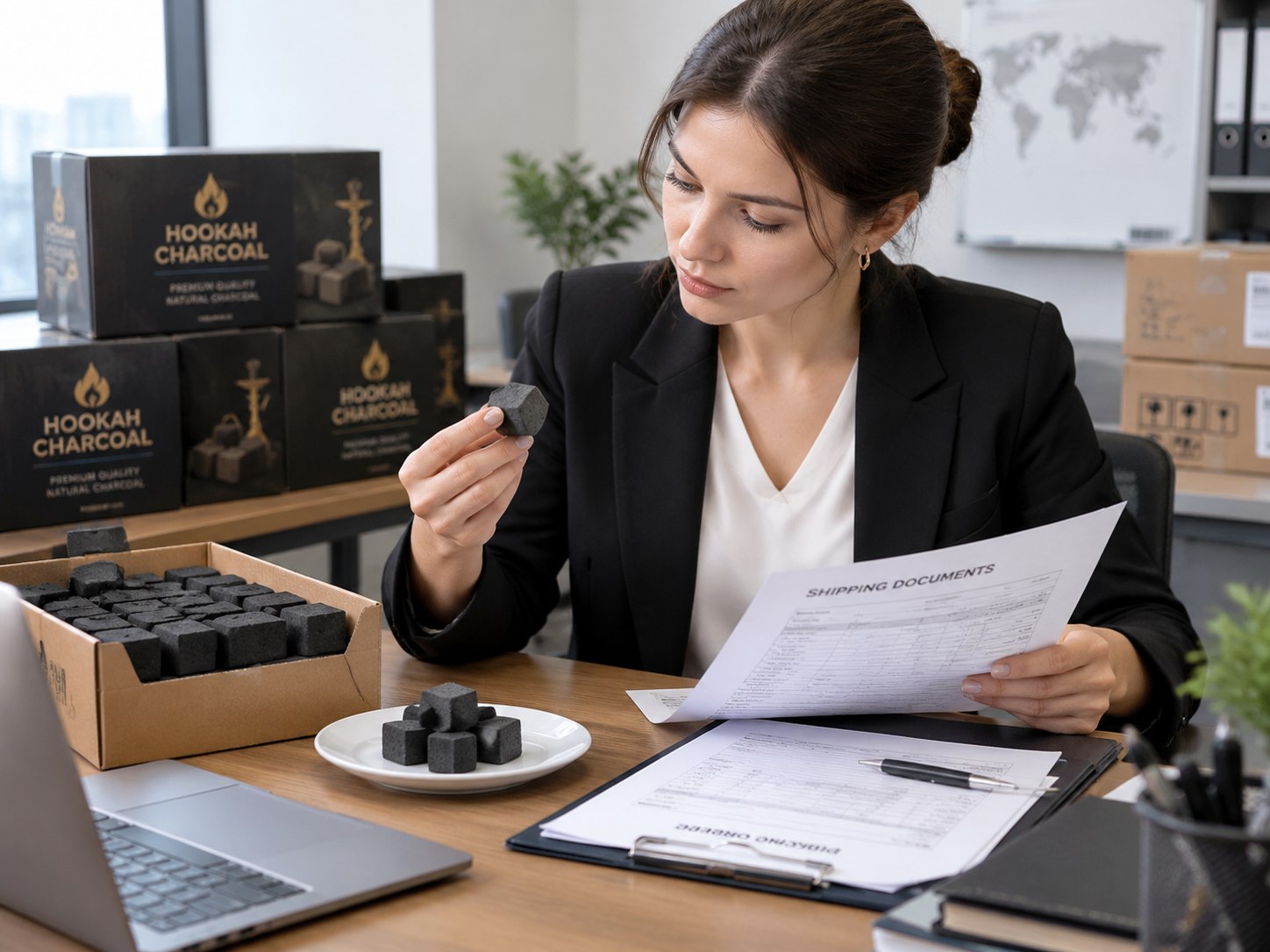
If you are a procurement professional, you already know the pressure. You are expected to secure reliable supply at competitive prices while maintaining quality that keeps customers coming back. When a once-dependable product starts showing cracks in its supply chain, the stress is real. This article is written with that challenge in mind.
Understanding the Hookah Charcoal Market: Key Terms and Players
Before diving into the trends, let us clarify some terminology that often causes confusion in procurement conversations.
- Hookah charcoal: Any charcoal product specifically designed for use with a hookah or shisha pipe. It must burn cleanly, produce consistent heat, and not impart unwanted flavors.
- Coconut shell charcoal: Natural charcoal made from carbonized coconut shells, typically pressed into cubes or flat shapes. It contains no added chemicals and is favored for its clean burn.
- Quick-light charcoal: Charcoal impregnated with an accelerant (often saltpeter) that allows it to ignite quickly with a lighter. It is convenient but may produce a slight chemical odor during ignition.
- Natural charcoal: A broad category that includes coconut shell, bamboo, hardwood, and other plant-based charcoals that do not contain chemical accelerants.
The supply chain for hookah charcoal typically starts at coconut farms or bamboo plantations, moves to carbonization facilities, then to manufacturers who shape and package the product, and finally to distributors who sell to hookah lounges, retailers, and online sellers. Major sourcing countries include Indonesia, the Philippines, Vietnam, and parts of India and Sri Lanka.
B2B procurement in this market involves bulk purchasing, strict quality control, and careful cost management. Buyers must consider factors like burn time, ash content, ignition speed, and shipping reliability. Terminology matters because a misunderstanding between "natural" and "quick-light" can lead to rejected shipments, unhappy customers, and financial losses.
The Rise of Coconut Shell Charcoal: Why It Was the Go-To Choice
Coconut shell charcoal earned its reputation through a combination of genuine advantages. From an environmental standpoint, it is made from coconut waste that would otherwise be discarded. Coconut trees are renewable resources, and the production process converts what is essentially trash into a valuable product.
From a health and experience perspective, coconut shell charcoal burns without chemical additives. It produces less ash than many alternatives, and it offers a longer burn time, which means fewer charcoal changes during a hookah session. Hookah enthusiasts consistently favor natural charcoal for its neutral taste and lack of chemical aftertaste.
The market responded accordingly. Coconut shell charcoal captured a significant share of the hookah market, especially in premium segments. For B2B buyers, the appeal was clear: bulk availability from established suppliers, consistent quality when sourced from reputable manufacturers, and a sustainability story that resonated with environmentally conscious customers.
For years, it seemed like coconut shell charcoal would remain the dominant choice. But markets are never static, and several forces have begun to erode its position.
Current Trends: Why Coconut Shell Charcoal Is Losing Ground
The shift away from coconut shell charcoal is not the result of a single factor. It is a combination of supply chain disruptions, price volatility, rising competition, regulatory pressures, and changing consumer preferences.
Supply Chain Disruptions
Coconut shortages have become increasingly common due to climate change, pests, and competing uses for coconuts. Coconut oil, coconut water, and animal feed all compete for the same raw material. When coconut prices rise, charcoal manufacturers feel the squeeze, and so do B2B buyers.
Price Volatility
The cost of raw coconut shells has increased, and so have shipping costs. Freight rates from Southeast Asia to North America and Europe have fluctuated wildly in recent years, making it difficult for buyers to predict landed costs. For procurement teams working with tight budgets, this volatility is a serious problem.
Rising Competition from Alternative Charcoals
Bamboo charcoal has emerged as a strong competitor. Bamboo grows quickly, can be harvested sustainably, and often requires simpler processing than coconut shell charcoal. Hardwood charcoal, while less sustainable, remains an established option in many markets. Quick-light charcoal variants continue to dominate the convenience segment, especially in retail channels where consumers prioritize speed and ease of use.
Products like 35 mm Solid Black Quick-Light Charcoal for Hookah, Aromatherapy and BBQ illustrate why quick-light options are gaining traction. This charcoal offers 1–3 second ignition, a 30–45 second flame line, and a 60–90 minute burn time. For businesses that serve customers who want to start their session immediately, that speed is a major advantage. The same product works across hookah, aromatherapy, and BBQ applications, which makes it an attractive multi-purpose inventory item for distributors.
Similarly, the 33 mm Solid Black A-Shaped Quick-Light Charcoal | AA332-SBQ provides 1–3 second ignition and a 30–45 minute burning time. Its A-shaped design is tailored for certain hookah bowl configurations, and its solid black composition ensures consistent heat output. For procurement managers looking to diversify beyond coconut shell, these quick-light options offer a reliable, convenient alternative.
Regulatory Pressures
Import tariffs, environmental regulations on carbonization processes, and shifting trade policies have all added complexity to coconut shell charcoal sourcing. Some countries have imposed stricter emissions standards on charcoal production, which has driven up costs for manufacturers and, by extension, for buyers.
Shift in Consumer Preferences
Consumer behavior is also changing. Quick-light charcoal is gaining popularity among casual users who value convenience over the purist experience of natural charcoal. In some markets, the trend toward smaller, more frequent hookah sessions favors quick-light products that can be ignited on demand without a separate burner.
B2B Pain Points
For procurement professionals, the pain points are concrete: unreliable supply, inconsistent quality, and longer lead times. Coconut shell charcoal is often subject to seasonal harvests, which means availability can fluctuate throughout the year. Quality can vary significantly depending on the origin and the manufacturer, leading to rejected batches and strained supplier relationships.
Supply-Chain Comparison: Coconut Shell vs. Alternatives
To understand why buyers are diversifying, it helps to compare the supply chains of coconut shell charcoal and its main alternatives.
Coconut Shell Charcoal Supply Chain
The coconut shell charcoal supply chain is complex and multi-step. It begins at coconut plantations, where shells are collected as a byproduct. These shells are then transported to carbonization facilities, where they are burned in low-oxygen environments to create char. The char is then mixed with a binder (often starch) and pressed into cubes or flats. After shaping, the charcoal is dried, sorted, and packaged for export.
Each step introduces potential delays and quality risks. Carbonization is energy-intensive and subject to environmental regulations. Drying depends on weather conditions in some regions. Shipping from Indonesia or the Philippines to North America or Europe can take weeks, and port congestion can extend lead times further.
Alternative Charcoal Supply Chains
Bamboo charcoal offers a simpler supply chain. Bamboo grows rapidly and can be harvested year-round in many regions. The carbonization process is similar to coconut shell, but the raw material is more consistently available. This translates to shorter lead times and more predictable pricing.
Hardwood charcoal has an established supply chain in many parts of the world, but it is less sustainable and increasingly subject to environmental scrutiny. Quick-light charcoal, meanwhile, involves chemical additives that raise regulatory questions in some markets, but its convenience and long shelf life make it a staple in retail channels.
Lead Times and Reliability
Coconut shell charcoal often has longer lead times due to seasonal harvests and logistics challenges. Alternatives like bamboo and quick-light charcoal can be produced and shipped more predictably, which is a significant advantage for buyers who need to maintain consistent inventory levels.
Cost Structures
Coconut shell charcoal typically has a higher upfront cost, but it offers a longer burn time, which can offset the price difference in some use cases. Alternatives like bamboo and quick-light charcoal are often cheaper upfront, but they may have hidden costs such as shorter burn times, higher ash output, or the need for more frequent replacements.
Scalability
Bamboo and hardwood charcoal can be scaled more easily in some regions because the raw materials are more abundant and less subject to competing uses. Coconut shell charcoal scalability is limited by the availability of coconut shells, which is tied to the coconut industry as a whole.
Quality Consistency
Coconut shell charcoal quality varies by origin. Shells from different regions have different densities and moisture content, which affects burn time and ash production. Alternatives may offer more standardized production, especially quick-light charcoal, which is manufactured under controlled conditions.
Pain Points in B2B Procurement: What Buyers Are Experiencing
Procurement professionals in the hookah industry face a unique set of challenges. The product is bulky, heavy, and subject to strict quality expectations. When supply chains falter, the impact is felt across the business.
Common pain points include unpredictable supply, quality fluctuations, price hikes, and communication gaps with suppliers. Specific to coconut shell charcoal, buyers report difficulty in securing long-term contracts, inconsistent ash content, and breakage during shipping. These issues can lead to menu pricing adjustments, customer dissatisfaction, and operational inefficiencies.
How are procurement professionals adapting? Many are diversifying their supplier base, testing alternative charcoals, and negotiating flexible contracts that allow for volume adjustments. Some are investing in local warehousing to buffer against shipping delays. Others are building direct relationships with manufacturers to gain more visibility into production schedules.
The need for reliable partners and transparent communication has never been greater. Buyers want suppliers who can provide consistent quality, clear lead times, and responsive customer service. When those elements are missing, the cost of switching to an alternative becomes easier to justify.
Success Stories and ROI: Lessons from Early Adopters
Some businesses have already made the switch and are seeing tangible results. Consider a hookah lounge chain that switched from coconut shell charcoal to bamboo charcoal. By making the change, the chain reduced its charcoal costs by 20% while maintaining acceptable burn times and customer satisfaction. The savings allowed the business to invest in other areas, such as staff training and marketing.
Another example is a distributor that diversified into quick-light charcoal for convenience stores. By adding products like the 35 mm Solid Black Quick-Light Charcoal for Hookah, Aromatherapy and BBQ to its catalog, the distributor tapped into a new customer segment that prioritized convenience over tradition. Sales increased, and the distributor gained a competitive edge in a crowded market.
When comparing total cost of ownership (TCO), the picture becomes clearer. Coconut shell charcoal may have a higher upfront cost but a longer burn time. Quick-light charcoal may be cheaper per unit but burns faster, meaning more units are needed per session. Ash disposal costs, storage requirements, and shipping weights all factor into the equation. Early adopters who conducted thorough TCO analyses found that alternatives often delivered better overall value, especially when supply chain reliability was taken into account.
"We used to spend hours chasing coconut shell charcoal suppliers and dealing with quality issues. Once we diversified into quick-light and bamboo options, our procurement process became much smoother, and our customers barely noticed the difference." — Procurement Manager, Regional Hookah Distributor
The key takeaway from these success stories is that flexibility and research are crucial in a changing market. Buyers who cling to a single product type may find themselves at a disadvantage when supply chains shift.
Future Outlook: What's Next for Hookah Charcoal Procurement?
The hookah charcoal market is dynamic, and the future is likely to bring further changes. Several trends are worth monitoring.
Sustainable alternatives like bamboo charcoal are expected to grow in popularity as buyers seek eco-friendly options that are also reliable. Innovation in quick-light technology may address some of the historical concerns about chemical additives, making quick-light charcoal more acceptable to premium segments.
There is also potential for coconut shell charcoal to rebound. If supply chain issues are resolved and sustainability remains a priority for consumers, coconut shell could regain some of its lost ground. However, that would require significant investment in coconut cultivation and processing infrastructure, which may take years to materialize.
For B2B buyers, staying informed is essential. Monitoring trends, building relationships with multiple suppliers, and conducting thorough supplier audits can help mitigate risks. Testing samples before committing to large orders is a best practice that can prevent costly mistakes. Long-term contracts with flexibility clauses can provide stability while allowing for adjustments as market conditions change.
Recommendations for B2B buyers include conducting thorough supplier audits, testing samples from multiple sources, and considering long-term contracts that include flexibility for volume and pricing adjustments. It is also wise to maintain a diversified portfolio of charcoal types to hedge against supply chain disruptions.
The final thought is simple: the hookah charcoal market is dynamic, and adaptation is key to success. Businesses that remain agile and open to new options will be better positioned to navigate whatever comes next.
Conclusion: Navigating the Shift in Hookah Charcoal Procurement
Coconut shell charcoal is losing ground in B2B procurement for several interconnected reasons: supply chain disruptions, price volatility, rising competition from bamboo and quick-light alternatives, regulatory pressures, and changing consumer preferences. While it remains a high-quality product with genuine environmental and health benefits, the challenges of sourcing it reliably and affordably have led many buyers to explore other options.
Understanding supply chains and pain points is essential for making informed decisions. Whether you are a seasoned procurement professional or new to the hookah charcoal market, asking questions, doing research, and staying agile will serve you well. Diversifying suppliers, testing alternatives, and prioritizing reliability over brand loyalty can protect your business from disruptions.
As you navigate this shift, consider exploring alternatives like bamboo charcoal and quick-light products. Connect with industry peers to share insights and best practices. Prioritize suppliers who offer transparency, consistent quality, and responsive communication. The goal is not to follow trends blindly but to find the best fit for your business, your customers, and your bottom line.
The hookah charcoal market will continue to evolve. The buyers who thrive will be those who adapt, ask the right questions, and build resilient supply chains that can weather whatever changes come next.
Related Articles
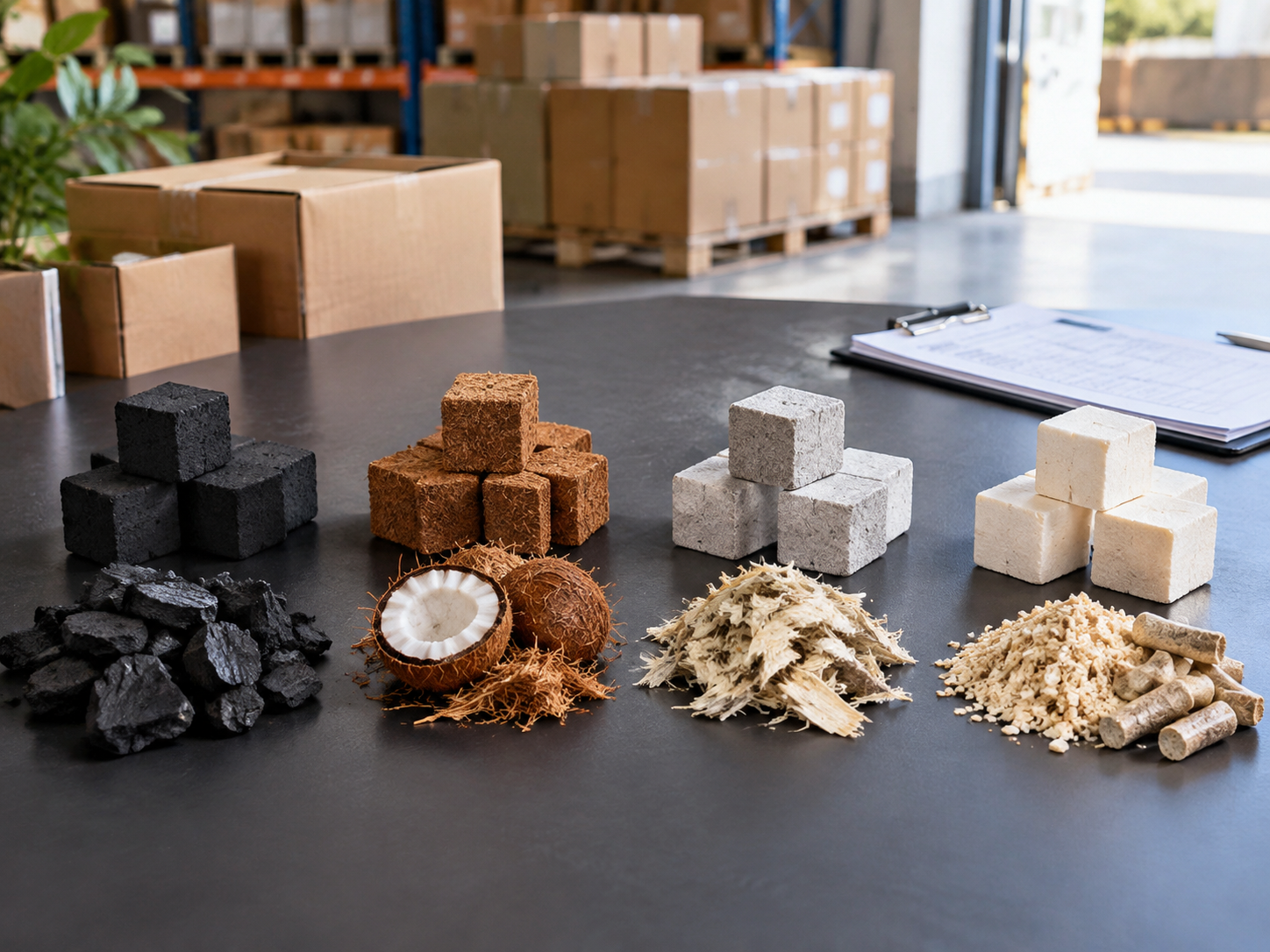
2025 Hookah Charcoal Market Outlook: Why Importers Are Diversifying Beyond Coconut Shell Charcoal
Importers are reassessing hookah charcoal sourcing as supply disruptions, changing logistics costs, product consistency, and demand for variety make single-source strategies riskier. The article outlines a practical approach to comparing coconut shell charcoal with alternatives such as bamboo, fruit wood, and quick-light products, emphasizing documented specifications, supply reliability, compliance, and safe handling.
How to Evaluate Alternatives to Coconut Shell Charcoal: A 7-Step Importer Checklist
Switching charcoal feedstocks can affect heat, ash, odor, breakage, delivery reliability, and brand reputation—not just purchase price. This checklist helps importers define product requirements and compare shisha, quick-light, and alternative charcoal under consistent conditions, while keeping incense charcoal specifications separate.